
27% stay a decade as Scalabrini defies aged care workforce churn


In a sector where workforce turnover sits around 35%, Scalabrini Communities is holding its staff for the long term.
More than 27% of the organisation’s workforce has remained for 10 years or more, with some staff staying 20 and even 30 years. Its turnover rate sits at just 9%.
The figures contrast with data from the Government’s 2024 Aged Care Worker survey that shows 43% of aged care workers have stayed in the sector for more than a decade – but often across multiple employers.
CEO Richard de Haast credits the result to a deliberate and sustained focus on people.
“It’s about doing what you say you’re going to do and being consistent,” he told The Weekly SOURCE. “Organisations talk about valuing staff – this is about genuinely doing it.”
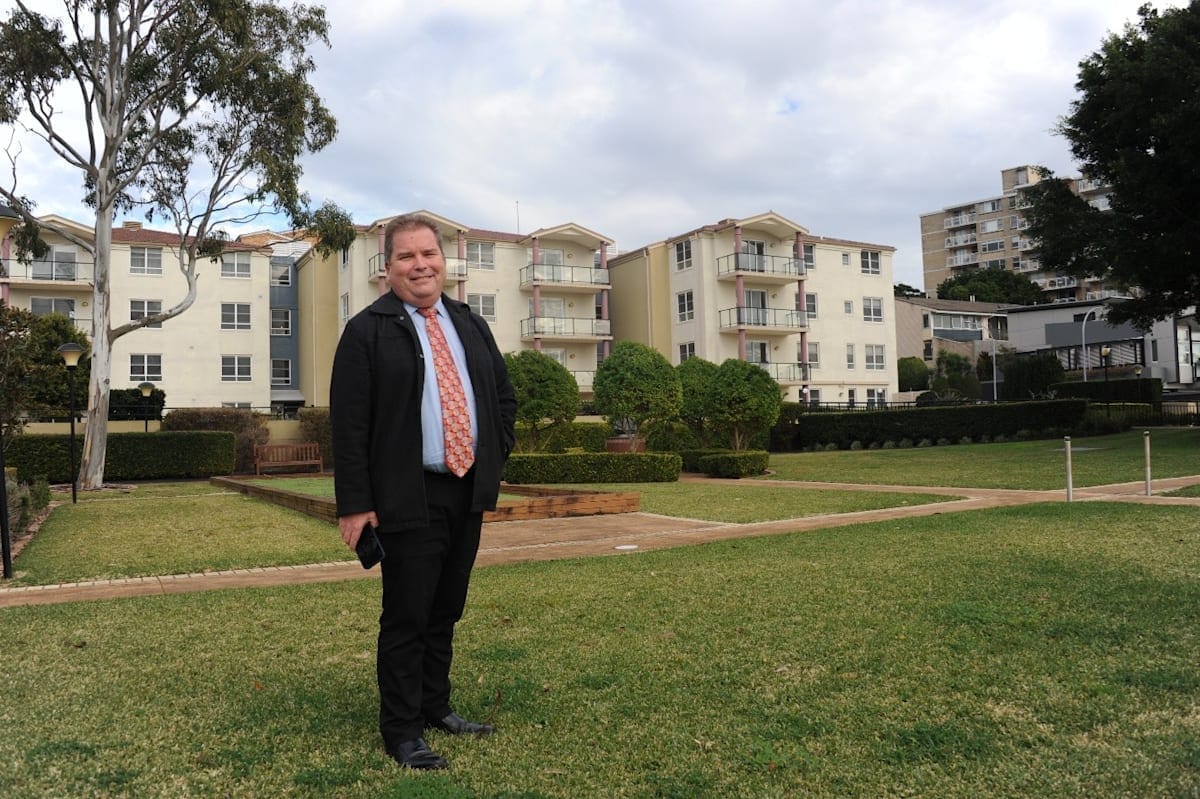
Scalabrini is actively investing in retention, despite the impact on the bottom line.
The organisation expects to spend around $750,000 this financial year on staff sponsorship and workforce initiatives – equivalent to roughly a 10% uplift in EBITDA if redirected elsewhere.
That investment includes sponsoring staff for permanent residency, with around 12% of the workforce supported through the program, as well as offering full-time employment to provide financial stability and reduce the need for multiple jobs.
Leadership under the microscope
Richard attributes much of the retention to leadership behaviour, including removing underperforming leaders, maintaining consistent standards, and spending time directly with staff.
The CEO meets regularly with employees two levels below his direct reports – around 90 people across the organisation – to discuss career pathways and development, even where opportunities may lie outside the organisation.
“It’s about helping people get ready for the next step, whether that’s here or somewhere else,” he said.
That approach is feeding through into internal progression, with recent appointments across care, HR and administration roles filled internally.
Scalabrini has also developed its own in-house leadership program, now being rolled out across managers and Registered Nurses.
The organisation recognised long-serving staff across its sites, with 10 employees marking 20- and 30-year anniversaries – a combined 227 years of service. Another 12 staff reached 15 years, while 17 marked 10-year milestones.

The question for the sector is: can similar outcomes be replicated more broadly?
With six homes, Scalabrini remains a relatively small operator – even following its recent expansion into South Australia – but Richard argues scale is not the issue.
“It’s intentional,” he said. “It’s about choosing where you spend your time and what you prioritise.”


