
Aged care grants: lifesaver or political theatre?


The Federal Government’s latest $115 million aged care capital grants program looks like a good news story.
But scratch the surface and a bigger question emerges: is this money actually solving the problem – or simply delaying it?
As The Weekly SOURCE reported last week, the funding will be delivered through the Aged Care Capital Assistance Program (ACCAP), with the latest grants targeting Adelaide and the Illawarra, followed by Perth and the Hunter.
Queensland Health Minister Tim Nicholls accused the Government of “playing favourites” by leaving his state out of this latest round.
So is this responsible Government spending – or pork barrelling?
Politics or policy?
It is difficult to ignore that all four locations sit in Labor-held seats.
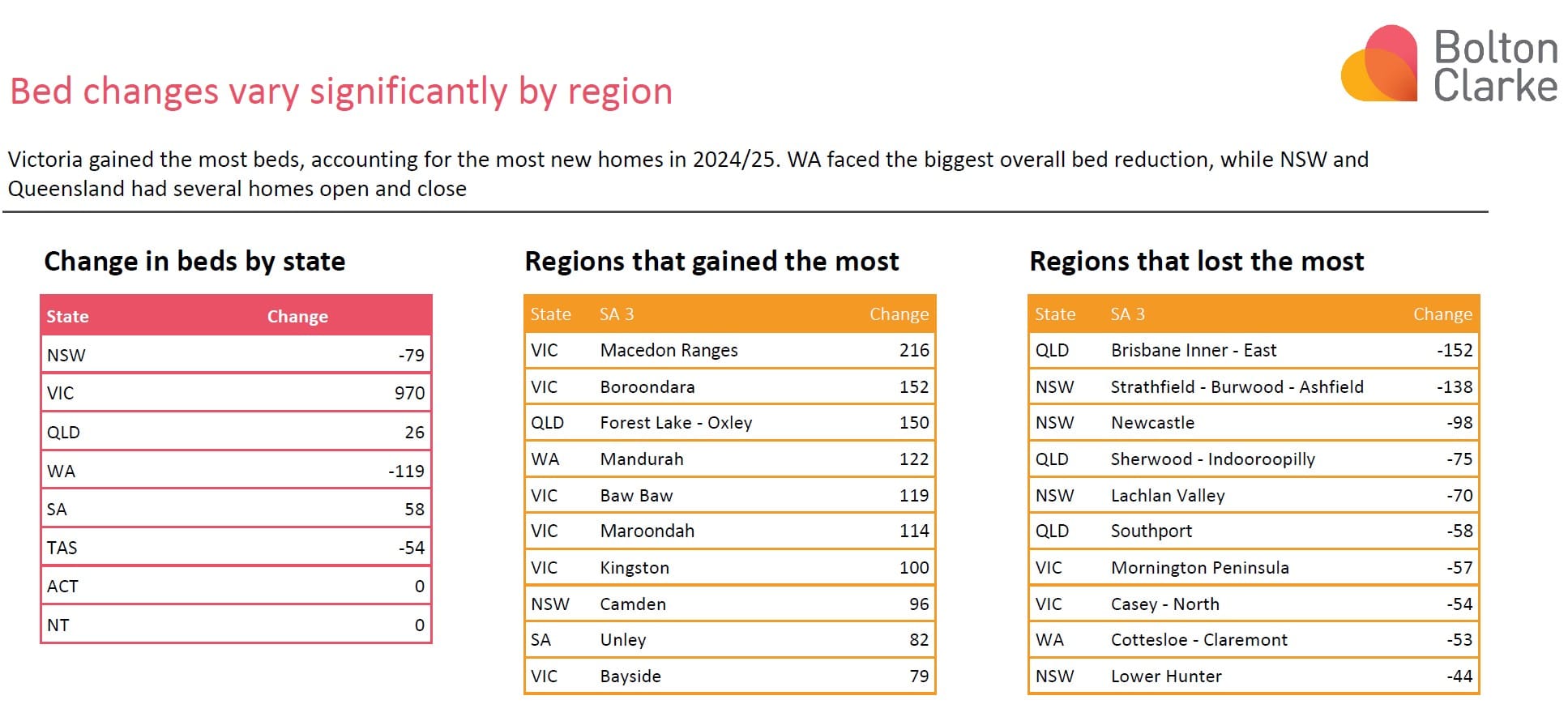
The Government insists the projects were chosen based on need – and those regions are in need, as this 2025 data from Bolton Clarke shows.
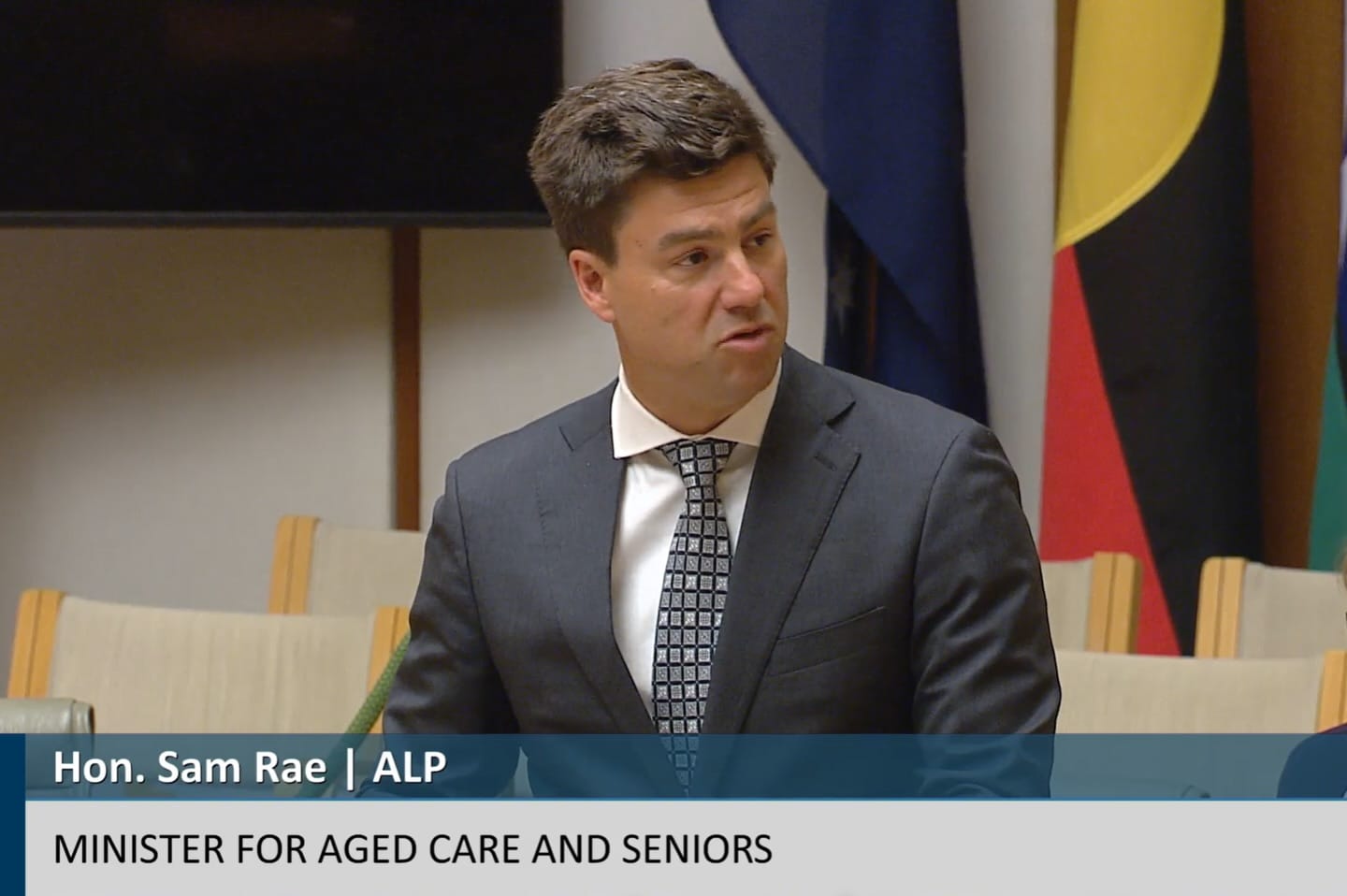
Aged Care Minister Sam Rae says the grants themselves are not designed to fully fund new homes – instead, they are intended to unlock projects already close to construction.
“What we've got in the pipeline are projects that might be $20 million or $30 million developments but are $5 million short of delivering their economic benefit,” the Minister said.
“What this is about is unlocking as many of those projects as possible.”
In short, the Government is topping up developments that are almost financially viable.
That thinking reflects the reality of aged care development today.
Unlocking projects, not building homes
Industry estimates suggest building a new aged care bed now costs $600,000 to $700,000.
Based on those estimates, a 90-bed home therefore costs roughly $55 million to $65 million to build.
Government grants of $5 million to $10 million effectively close the final funding gap.
Based on our back-of-envelope calculations, the $115 million funding could unlock between 11 and 23 projects nationally.
Assuming around 90 beds per home, that equates to roughly 1,300 beds.
Helpful – but not transformational.
The scale of the build challenge
The Department’s own forecasts suggest Australia will need close to 10,000 new aged care beds every year for the next two decades to keep pace with population ageing. Health Minister Mark Butler said on 6 February: "We really need to be opening a new aged care facility every three days for the next 20 years."
Even if every project proceeds quickly, the current funding round would deliver only a fraction of one year’s required supply.
The Government says it has invested more than $1 billion in aged care capital grants nationally over the past three-and-a-half years.
Again, based on rough calculations, that equates to roughly 9,000 to 18,000 beds – far fewer have eventuated so far. And that doesn’t account for closures over that time.
For context, Victoria alone has invested a similar amount in its public residential aged care system.
The Victorian Government says it has committed more than $800 million to public sector residential aged care facilities through new builds, redevelopments and upgrades across the state.
That’s a pretty striking comparison. One state has invested almost as much in its public aged care system as the Commonwealth has spent on capital grants nationwide.
Australia may ultimately need 80,000 to 100,000 aged care beds by around 2040.
At current construction costs, that represents $50 billion to $70 billion of capital investment.
Put another way, the country needs to open roughly one new aged care home every week for the next 15 years. Recent data suggests the sector is currently delivering around one every five to six weeks.
Against that backdrop, capital grants start to look less like a solution and more like a stop-gap.
Another way to spend the money
The average Home Care Package costs roughly $30,000 a year.
If the Government’s $1 billion in capital grants had instead been directed toward home care, it could fund around 120,000 Packages for one year.
At a time when hundreds of thousands of older Australians are waiting for care at home, that comparison is difficult to ignore.
The Government’s thinking is clear.
Without more aged care beds, hospitals will remain clogged with older patients who are medically ready to leave but have nowhere to go.
But unlocking projects is not the same thing as solving the problem.
With the Federal Budget approaching, the real question is whether the Government is prepared to move beyond top-ups – and consider what would genuinely drive new development and care solutions.
Or will it ultimately fall to providers to ensure their organisations are investable enough to attract the capital required to build the beds and services of tomorrow?


