
Aged care tests early intervention in Australian-first trial


Warrigal has launched a trial to help aged care providers intervene earlier – before a fall, infection or hospital transfer occurs.
The provider, in partnership with Ericom, has begun a 12-month trial of Care Companion at its Goulburn residential aged care home, marking the first time the radar-based monitoring technology has been used in an Australian healthcare setting.
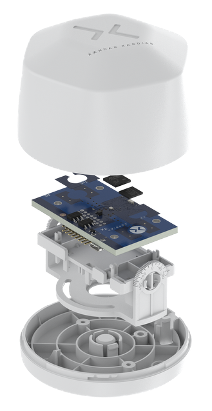
Powered by Xandar Kardian sensors, the small, ceiling-mounted system (pictured below) tracks breathing, heart rate patterns and movement to generate a Probability of Baseline Change (POBC) score – issuing a flag when something starts to shift.
Moving beyond reactive care
For Warrigal CEO Jenni Hutchins, the aim is to move beyond reactive care.
“A lot of the technology we see is reactive – it tells you when something has already happened,” she said.
“This is about understanding what’s happening before that point.”
International evidence suggests changes in POBC scores have been observed prior to around 75% of hospital transfers and 70% of falls and may indicate infection days before symptoms emerge. Early signs from Goulburn are already emerging.
“We’ve had cases where there were no outward signs, but the score flagged a change,” Jenni said. “Clinical assessment confirmed an infection – and we were able to treat early.”
More than 90% of residents have opted into the trial, supported by a design that avoids cameras, microphones and wearables.
The potential extends beyond improving care for individual residents.
More than 3,100 older Australians are currently stuck in hospital waiting for aged care, according to data presented by State Health Ministers last month. Earlier intervention – preventing deterioration before a hospital admission – is increasingly being seen as part of the solution to easing that pressure.
Warrigal says the technology does not replace clinical judgement or face-to-face care but acts as an early indicator to support proactive intervention.
The operator will now evaluate the trial over 12 months, with a focus on whether earlier detection can improve outcomes and reduce avoidable hospital demand.


