
“Business class is always full”: Odyssey’s financial play in private aged care
Catalyst backing, super fund capital and a shift into bank debt are fuelling Odyssey’s push to scale private aged care – with the DMF model at its core. When Aaron Lavell took over as CEO of Odyssey Lifestyle Care Communities in July this year...


Catalyst backing, super fund capital and a shift into bank debt are fuelling Odyssey’s push to scale private aged care – with the DMF model at its core.
When Aaron Lavell took over as CEO of Odyssey Lifestyle Care Communities in July this year, he inherited more than a development pipeline – he inherited one of the most ambitious financial strategies in the retirement and aged care sector.
With six multi-million-dollar vertical developments in play, Odyssey isn’t just about luxury apartments with care attached.
It’s about proving that private aged care can scale with the right capital structure, transparent contracts, and a disciplined operating model.
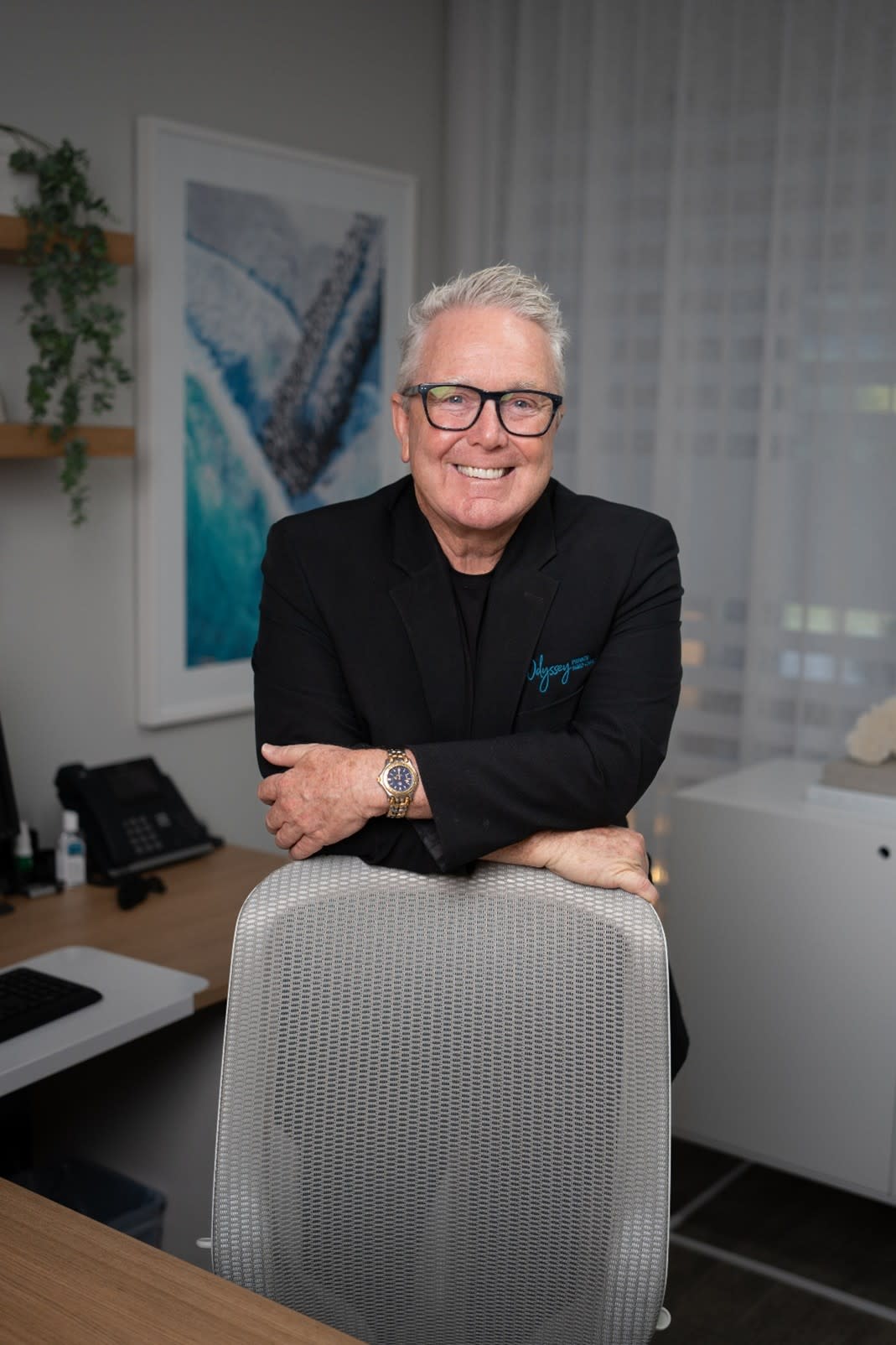
From accountant to CEO
Aaron, a chartered accountant by trade and long-time adviser to founder Phil Usher, knows the numbers as well as the model. He joined Odyssey’s board in 2018, stepping into the CEO role this year – initially part-time, with plans to move full-time in mid-2026.
“Every week I learn something new,” he says. “But we’ve got A-graders in every role – clinical, finance, development – so I don’t need to get in the weeds. My job is to keep the model disciplined and scalable.”
It’s a model that demands discipline. Aaron says he spends 60-70% of his CEO time on care, not finance.
“Capital is important, but if you don’t have the culture and the right clinical fit, the model doesn’t work.”
The Catalyst effect
Odyssey’s growth has been powered by Catalyst Health REIT – the specialist healthcare real estate platform led by ex-Aveo CEO Justin Laboo and Simon Cunningham – and backed by super fund Australian Retirement Trust.
The opco-propco partnership has underwritten Odyssey’s first three projects – Robina, Chevron Island and Hope Island – allowing Phil and Aaron to recycle capital while keeping balance sheets strong.
“Without Catalyst, we wouldn’t be where we are,” Aaron said. “They understand the sector intimately. We’ve had bumps – COVID, supply chain issues – but it’s always been a transparent, truthful partnership.”

Moving into debt
The next stage of growth will be different. At its Burleigh Waters development, Odyssey plans to introduce a tier-one banking partner alongside its own capital – its first move into debt funding.
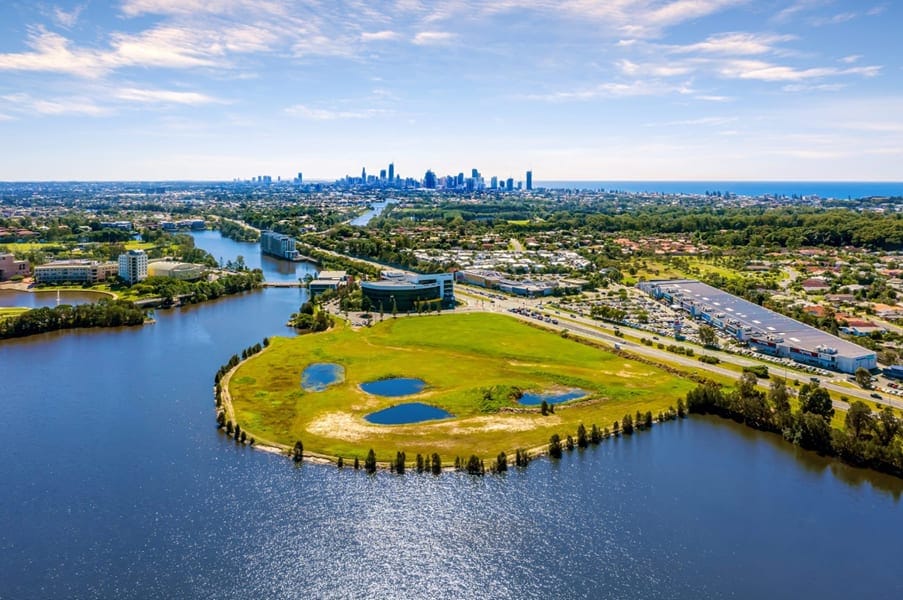
“We don’t need new equity partners,” Aaron explained. “We have a limited ownership pool, and we like it that way. But as projects get bigger – $150 million-plus – you need banking relationships.”
The shift signals Odyssey’s confidence that its model is now de-risked enough to stand on bank debt. It also points to a new phase where lenders – not just equity investors – are willing to bet on private aged care as an asset class.
The DMF backbone
Despite the scale of its developments, Odyssey’s revenue model remains deliberately simple. The business relies on Deferred Management Fees (DMFs), not care revenue, as its primary source of return.
Residents choose from four contract options, the most popular being a 22.5% upfront option. Care is delivered at cost, funded through home care packages or privately, with full transparency.
Aaron admires competitors experimenting with membership models – such as LDK – but insists Odyssey will stick with the DMF.
“We’ve had 95% plus occupancy at Robina for three years, and Chevron sales are strong. Residents see the value. For now, the DMF works.”
Scale makes the maths work
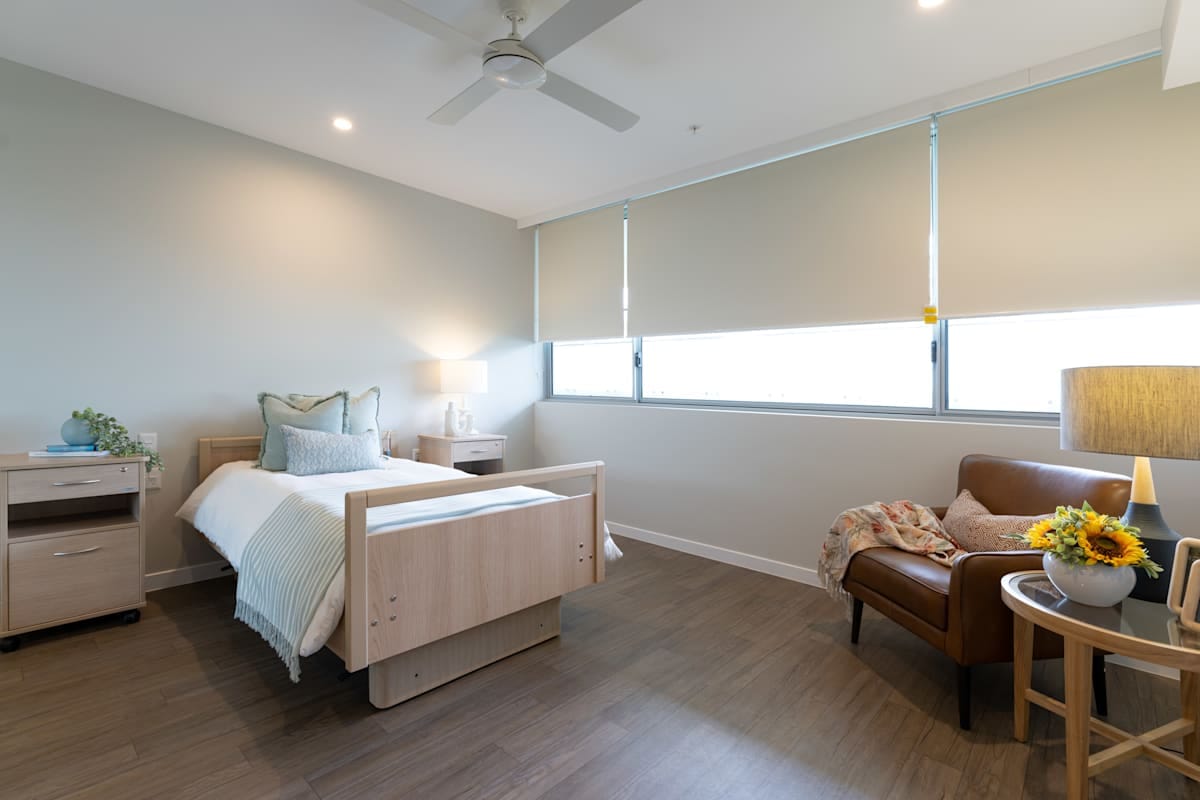
The economics are reinforced by scale. Odyssey’s minimum viable community size has grown from 90 apartments at Robina in 2020 to 180 apartments today.
“Otherwise, you can’t deliver the services,” Aaron said. “You don’t get the economies of scale to keep costs down and still deliver quality.”
That scale is translating into both occupancy and care demand. Robina’s 154 apartments generated 3,200 hours of care in a single month earlier this year – with another tower still to open. Chevron Island’s 19-storey tower adds 167 apartments and nine penthouses. Hope Island will deliver 208 apartments and 23 dementia suites. Burleigh Waters will push past 188.
Risk and reward
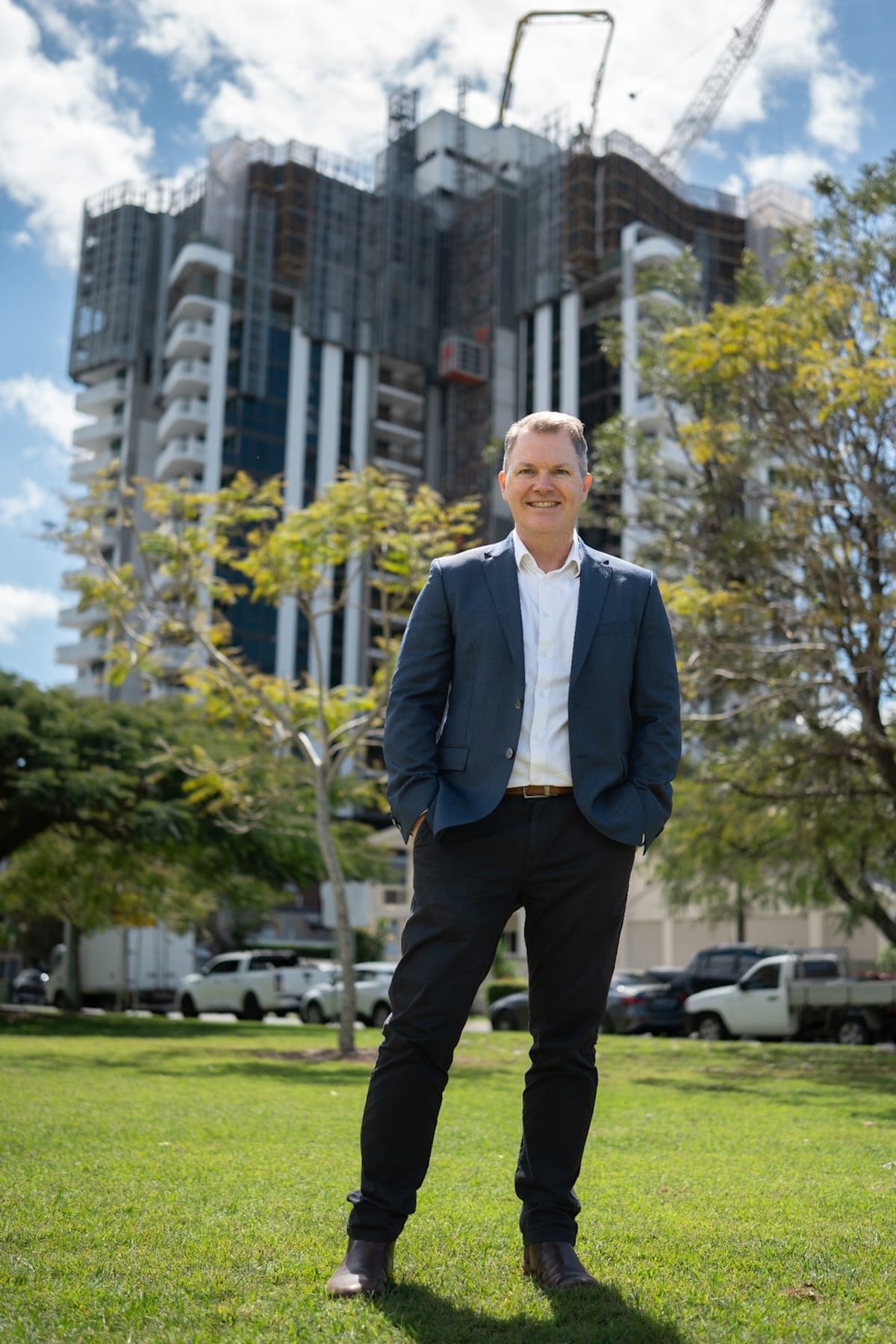
The financial bet carries risks. Aaron cites two: a housing downturn, and diluting staff quality.
“Our residents are well-off, but they still need to sell their homes. If the housing market stalls, that’s a risk. The other is staff. You can’t grow for the sake of it and dilute culture. Everyone has to be trained the Odyssey way.”
But the upside is evident. Robina’s entry apartments, once priced at $500,000, now sell closer to $650,000. Chevron’s penthouses are fetching $7.5 million. And with half of Robina’s residents already on Level 4 Packages, Odyssey is proving that demand for certainty translates into both care hours and capital value.
Setting a new benchmark
Aaron sees Odyssey as part of a broader realignment between retirement living and aged care.
“In the US, rental models dominate,” he notes. “Here, private aged care villages like Odyssey and LDK offer certainty – you move in once, and you never move again.”
With vertical density, integrated tech, and a financial model underpinned by DMFs and institutional capital, he believes Odyssey is creating a blueprint for the future.
“If it’s not good enough for Mum, it’s not good enough. That’s our philosophy. And residents will pay for quality. That’s why business class is always full.”


