CBRE 2026 Seniors Living: Undersupply to leave retirees with nowhere to live
“Retirement villages already feature long development lead times and planning approvals are taking anywhere from 365 days to over 730 days in extreme cases.”


The commercial real estate group says increasing awareness of the demographic imperative of the ageing sector is seeing a marked uptick in institutional interest, strategic partnerships, and capital deployment.
Yet the 28-page 2026 Seniors Living report notes that CBRE continues to advocate for a national response to the undersupply crisis that threatens to undermine the sustainability of Australia’s healthcare and housing systems.
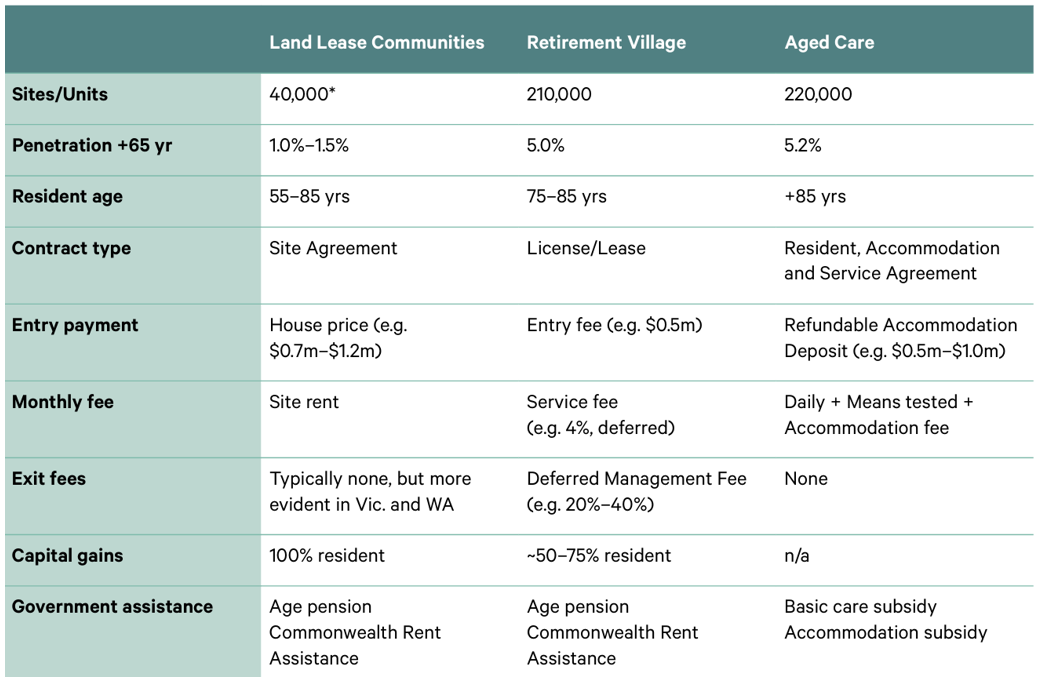
“With aged care homes nearing capacity, retirement villages facing planning bottlenecks, and land lease communities still in their infancy, the need for scalable, affordable, and high-quality seniors living solutions is critical,” it states.
“Without increased public and private investment in the coming 5-10 years, we ‘will have’ a supply crisis on our hands.”
The report underlines the undersupply of retirement villages is also linked to planning changes across the country.
With planning frameworks varying between each state, consistent compliance and advocacy for the sector has been near impossible to achieve.
“Retirement villages already feature long development lead times and planning approvals are taking anywhere from 365 days to over 730 days in extreme cases. With an undersupply of over 40,000 by 2030, [we] forecast this is a critical issue that will leave many Australian retirees with nowhere to live.”
CBRE says the rise of vertical villages in metropolitan areas reflects both land scarcity and changing consumer preferences for urban living.
“At the same time, operators are innovating with wellness-focused amenities and integrated care models to attract a more discerning resident base. Institutional capital continues to flow into the sector, driven by its proven financial performance and long-term growth potential. Operators who can navigate planning hurdles, deliver high-quality environments, and integrate health and social benefits will be well-positioned to capture market share in the coming decade,” the report states.
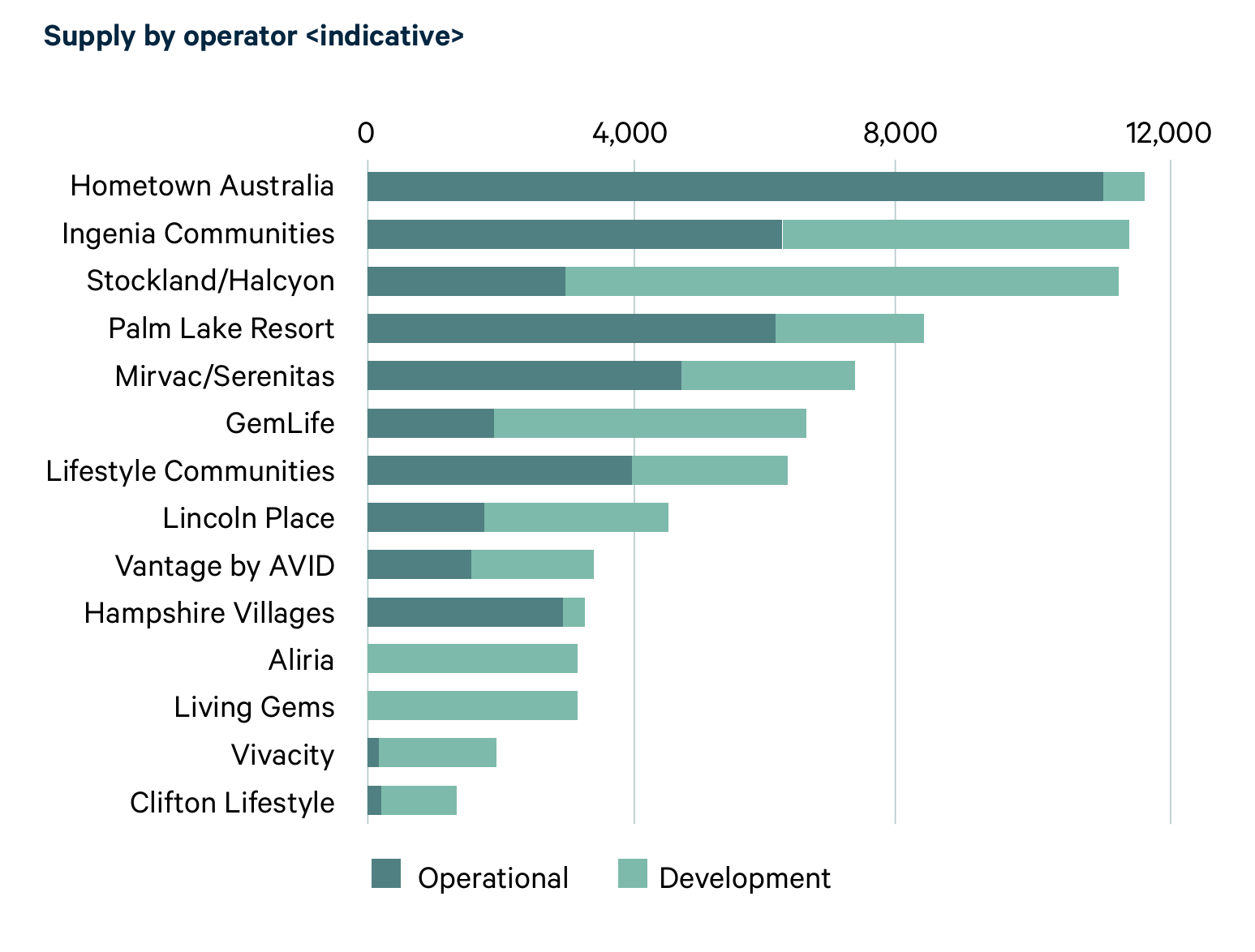
CBRE also forecasts the land lease community market will experience continued consolidation, with larger operators leveraging scale to deliver enhanced services and sustainability initiatives.
“Investor interest remains strong, driven by stable cash flows and demographic tailwinds, although rising construction costs and interest rate volatility may influence development timelines,” the report states.