
New research backs what village operators know but Govts ignore


New research from the Centre for Healthy Brain Ageing (CHeBA) at UNSW Sydney states what the retirement sector already knows and what Governments ignore: social connections in later life are critical to protecting mental health and reducing depression among older Australians.
CHeBA’s study found social connection in older age is shaped far more by environment than genetics. Frequent interaction with friends, neighbours and the broader community is linked to lower levels of depression – immediately and over time.
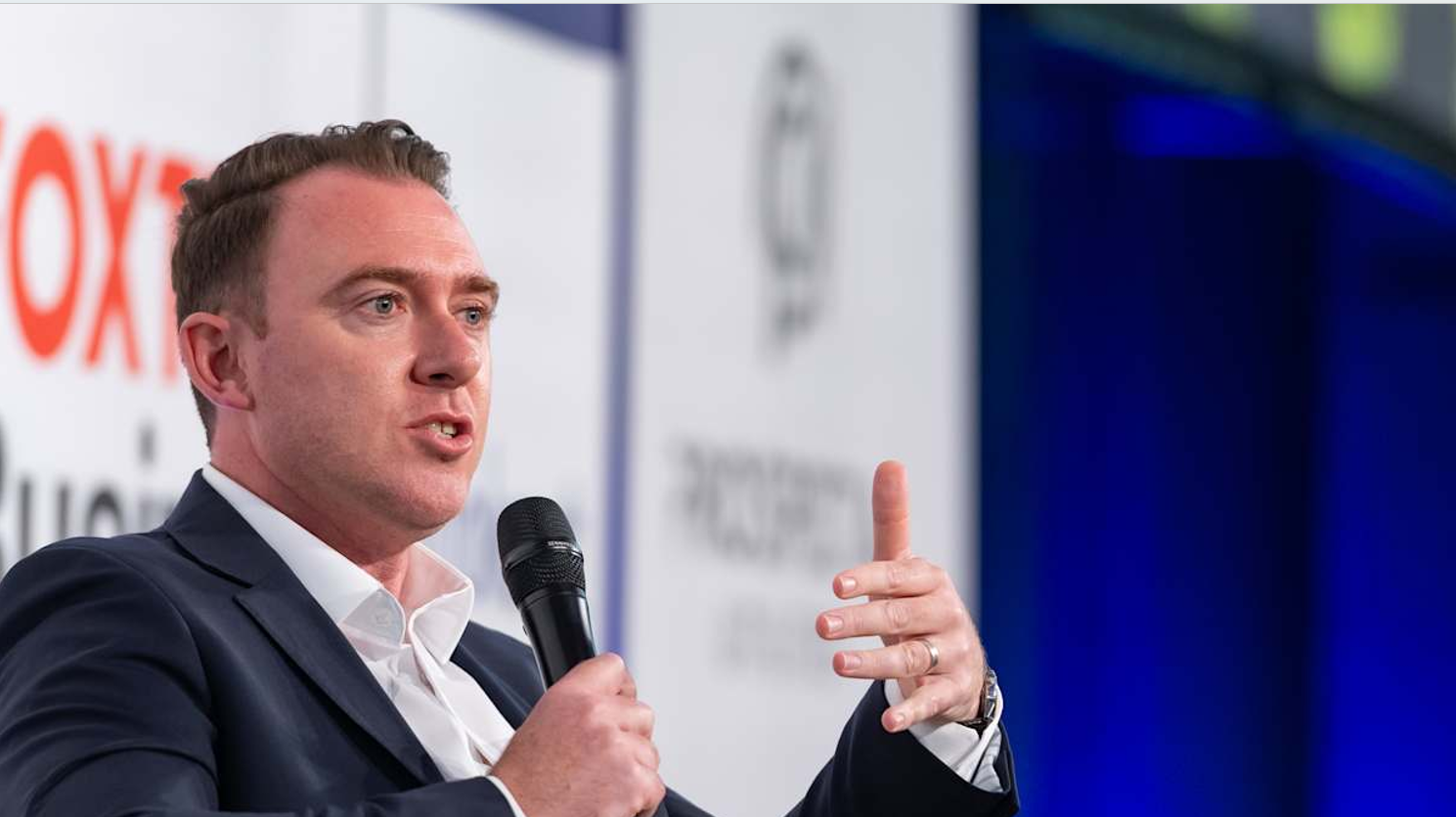
Retirement villages are delivering a 7% yield, better than all the other major property asset classes, yet in February last year, Retirement Living Council Executive Director Daniel Gannon emphasised between now and 2030, 67,000 new retirement homes are needed to meet current demand from older Australians – yet only 18,000 are planned.
The 2024 PwC/Property Council Retirement Living Census revealed between 2025 and 2030, just over 12,000 additional units are expected to be built – 7,200 units in the next three years and 5,000 in the subsequent three years.
The Retirement Living Council (RLC) says the CHeBA study mirrors what its own national data has consistently shown – when older Australians live in environments designed for connection, the benefits compound.
“The CHeBA research confirms something crucial – loneliness and connection are not fixed traits. They are shaped by environment,” Daniel said.
“RLC data shows that when older Australians live in retirement communities designed around connection, activity and everyday interaction, the mental health benefits are real and measurable.”
RLC research also shows that retirement living delivers significant health outcomes, with residents almost 20% per cent less likely to be hospitalised in their first nine months in a retirement village, equating to around 14,000 avoided hospitalisations every year across Australia.
“This is where social connection becomes a health intervention. When people are more socially active, physically engaged and less lonely, they are healthier and happier – and that directly reduces pressure on hospitals and the broader health system,” Daniel said.
He wants retirement living treated as essential social infrastructure, not just a housing option.
“If we are serious about healthy ageing, we need to invest in environments that make connection part of everyday life, not an afterthought.”


