
China announces new measures to drive ‘silver economy’


The Chinese Government has launched several new measures aimed at boosting the ‘silver economy’, targeting its over-60 population of 310 million.
The new policies, titled ‘Several Measures on Cultivating Elderly Care Business Entities and Promoting Silver Economy’, was unveiled last Tuesday at a press conference hosted by China’s Ministry for Civil Affairs, and attended by the commerce, industry, and information technology ministries.
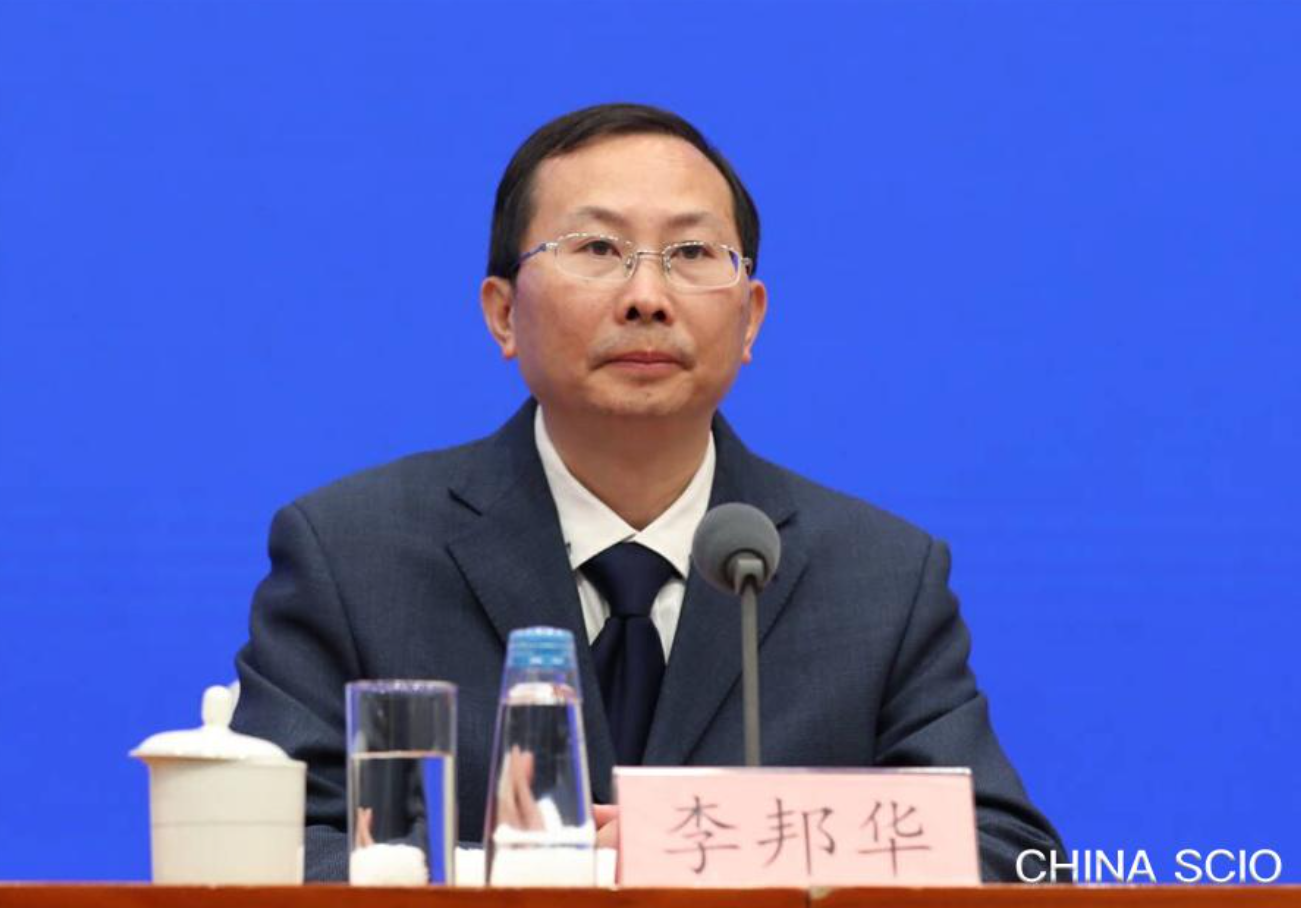
“Developing the silver economy is vital for addressing the challenges of an aging population and enhancing their well-being,” said Li Banghua, director of the elderly care service department at the Ministry of Civil Affairs.
“It also plays a key role in creating new economic growth opportunities and expanding domestic demand.”
Robots, rehab and smart home tech
Central to the strategy is developing advanced technologies, such as using exoskeleton robots and muscle suits to help older citizens with declining physical functions, and developing better integration of elder care robotics, medical services and smart home technologies.
The Ministry of Industry and Information Technology said it will promote high-end medical devices and support the clinical testing of products such as cochlear implants and rehabilitation training systems.
Beyond technologies, other measures include encouraging aged care institutions to develop home care services through chain operators and encouraging E-commerce platforms and large supermarkets to better meet the demands of older customers.
“We aim to integrate elderly care services with consumer opportunities, making age-friendly products more accessible,” said Guo Hanqiao, deputy director of the ministry’s ageing services department.
Attracting the ‘silver’ dollar
The Chinese Government is also encouraging e-commerce platforms to optimise seniors’ retail services with dedicated ‘silver shopping’ channels, for example with discounts for older shoppers.
The announcement follows the move in July 2025 by the Ministry of Commerce to incorporate elderly care services into the national 15-minute convenient life circle initiative.
This initiative aims to ensure residents can access everyday needs and essential services within a 15-minute walk from home. The circles offer services such as aged care, domestic services, dining, and retail services, which all can assist older people.
Some Chinese provinces are developing their own elder care strategies. The Government in Zhejiang, eastern China, is developing streets specifically designed to cater to the needs and interests of older residents, including with theatres featuring nostalgic themes, retro-style dance halls, and social programs in Hangzhou, the province’s capital city.
The province has organised more than 570 activities, including art, photography, fashion, and woodcraft, generating more than 100 million yuan ($21 million AUD) in personal spending.
The challenges – and opportunities – of an ageing population
Within only 10 years, China’s over-60 population is expected to grow by 30% to 400 million. Like Australia, China is facing the economic challenges of caring for its ageing population.
Today, China’s ‘silver economy’ is estimated to be worth $7 trillion yuan ($1.5 trillion AUD).
Within a decade, the sector is forecast to be worth more than four times that amount, $30 trillion yuan ($6.4 trillion AUD), and account for 10% of GDP.


