
Builder appointed for aged care operator's Memory Support Unit


Not For Profit Maranatha House, which operates an 80-bed residential aged care home in the town of Wellington in NSW's Central West, is adding a Memory Support Unit (MSU).
The operator has appointed Coverite Projects to design and deliver the $18 million, 30-bed MSU. The Sydney-based design and construction company also assisted with obtaining a Government grant for the project.
Coverite Projects is a design-led builder with a multidisciplinary team spanning architecture, design, project management and construction. They collaborate with aged care providers on projects, from early feasibility and concept design through to construction delivery.
They will deliver the Wellington MSU under a design and construct model. Coverite ssisted Maranatha House in securing a $9.5 million Aged Care Capital Assistance Program grant from the Federal Government last September to help fund the project. That round of grants was aimed at maintaining or improving access to residential aged care in rural, regional, and remote communities.
Growing need for rural dementia care
CEO of Maranatha House, Aejaz Adil (pictured above), said regional communities like in the town of Wellington, 360km west-northwest of Sydney's CBD, are seeing a growing need for specialised dementia care.
"Our goal is to create an environment where residents living with dementia can feel safe, supported and at home, while also giving families confidence that their loved ones are receiving the right level of care," Adil said.
The Wellington MSU is designed according to the National Aged Care Design Principles and Guidelines, incorporating dementia-informed principles that prioritise way-finding, familiarity and independence for residents.
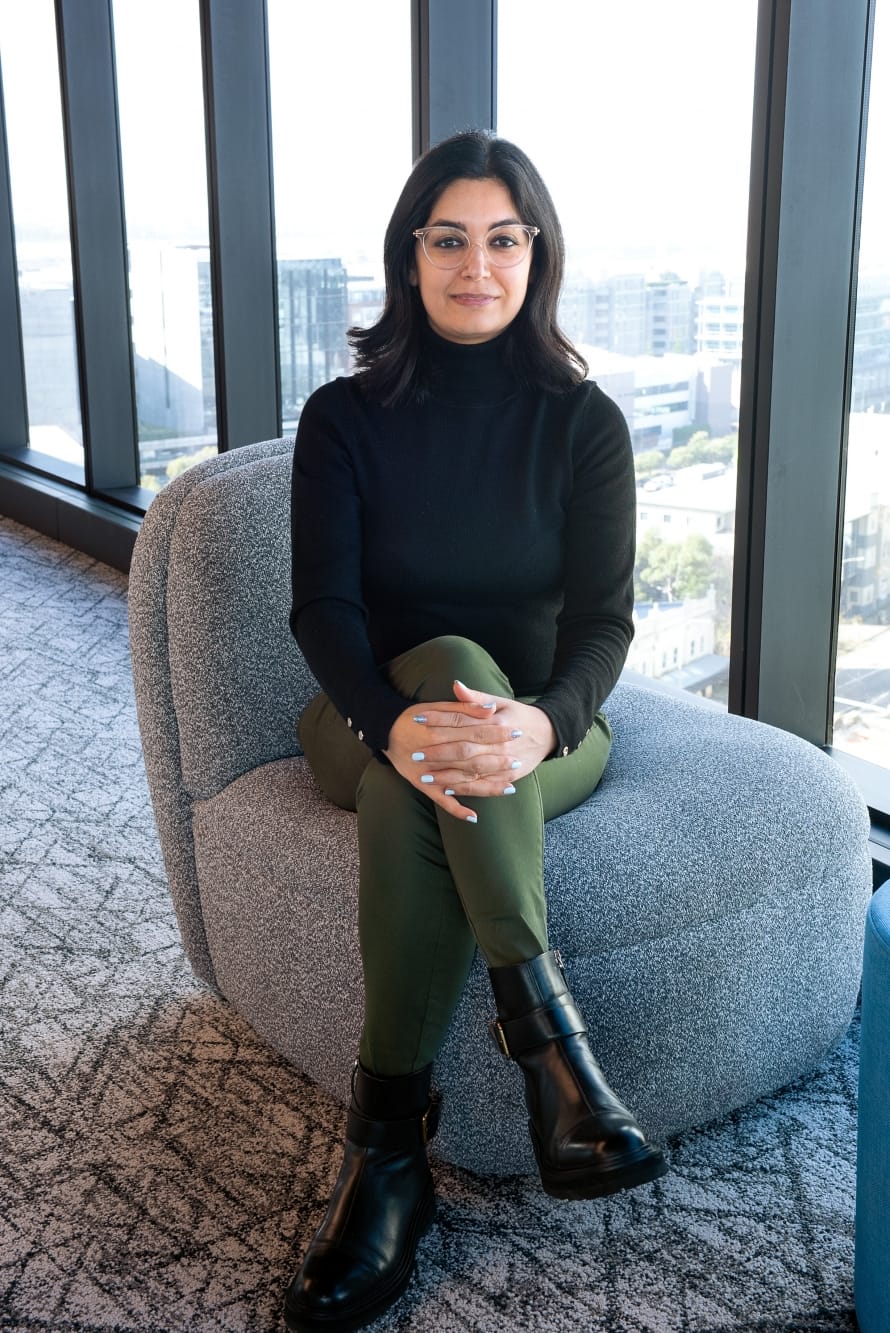
Coverite Projects Design Manager and Registered Architect, Megan Eiman (pictured above) said, "Aged care leaders are navigating complex regulatory frameworks while continuing to operate live environments for residents and families."
"Our integrated design and construction approach helps simplify that process while ensuring environments genuinely support care."


