
Govt’s ‘no worse off’ pledge for home care under scrutiny
Nationals MP Dr Anne Webster, the member for Mallee in far-north-western Victoria, said the Government has broken its no worse off promise.


The Government’s commitment to a “no worse off” guarantee for existing Home Care Package recipients – a key concession offered to the Opposition to secure bipartisan support for the new Aged Care Act – is now under the microscope.
On 12 September 2024, Prime Minister Anthony Albanese told Parliament: “The no worse off principle will ensure everyone with a home care package on the national priority system, or assessed as eligible for a package as of today, will make the same contributions or lower as they would have under home care arrangements.”
12 days later, then-Aged Care Minister Anika Wells echoed that commitment in a media statement: “A no worse off principle will provide certainty to people already in aged care and they won’t make a greater contribution to their care.”
The Aged Care Act itself backs up this position, stating that people receiving, approved for, or awaiting a Home Care Package (HCP) on or before 12 September 2024 “will make the same contributions or lower” under Support at Home and “receive the same package level, including any unspent funds.”

But Nationals MP Dr Anne Webster, the member for Mallee in far-north-western Victoria, said the Government has broken its no worse off promise.
“Mallee constituents are telling me their providers are increasing prices, meaning older people receiving less care and, in some cases, co-payments are being demanded for services to continue,” she said. “The aged care ‘no worse off’ principle is proving to be very shallow indeed.”
The issue was also raised in Senate Estimates last week. Queensland Greens Senator Penny Allman-Payne asked officials whether the Department had modelled the impact of rising prices on an individual’s purchasing power.
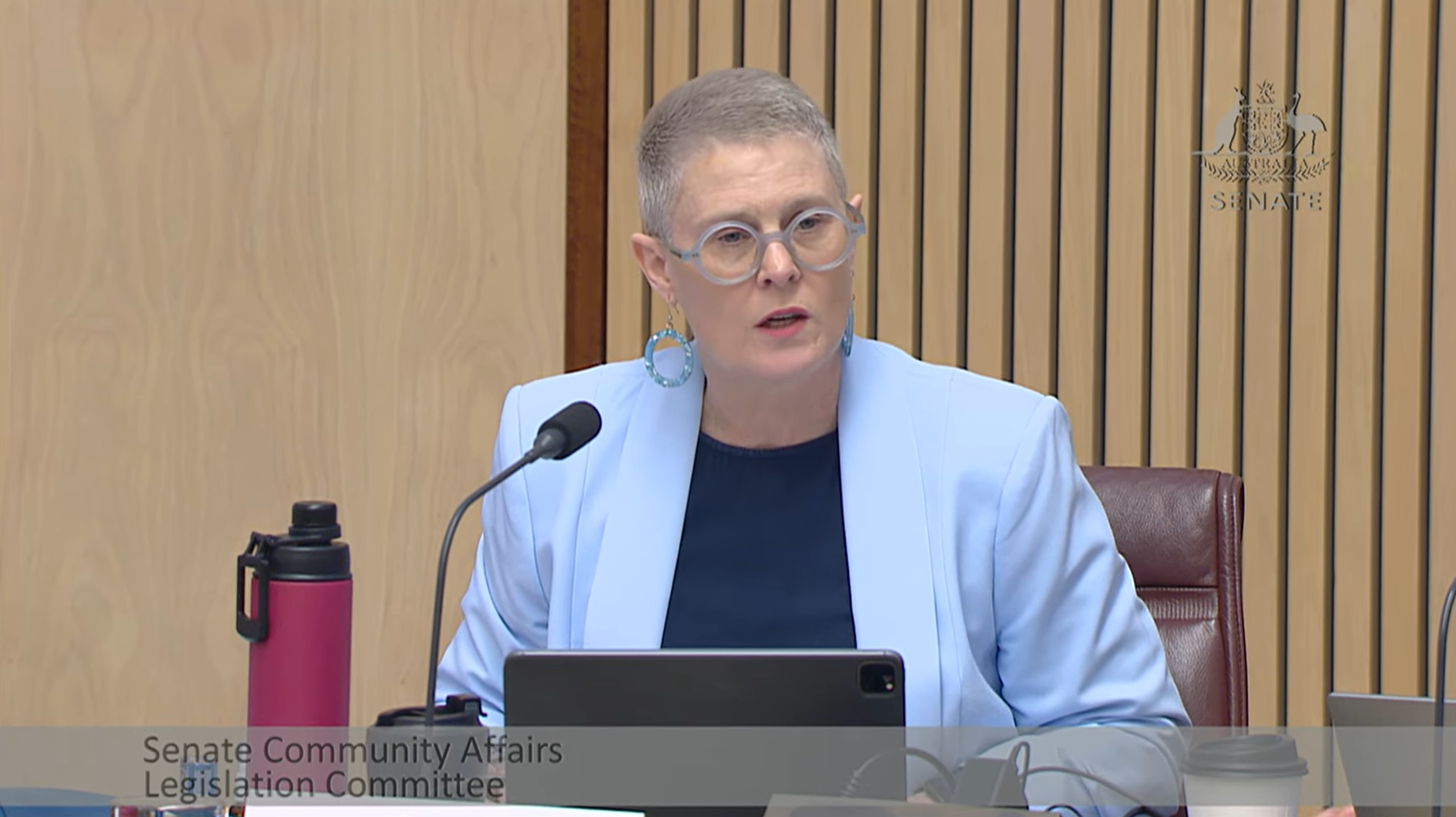
Susan Trainor, Assistant Secretary with the Department of Health, Disability and Ageing, replied: “The ‘no worse off’ principle was about their out-of-pocket costs, and it didn’t consider service prices or purchasing power.”
Under Support at Home, providers have had little choice but to lift prices to cover costs such as administration and travel for the first time.
To older people and their families, however, higher prices – and less care for the same contribution – feels undeniably like being “worse off,” regardless of the policy’s formal definition.
Perhaps it’s time to rethink the language.


