
Latest on financial hardship applications for Support at Home


Applications for financial hardship have almost doubled since the introduction of Support at Home, as consumers grapple with the financial reality of consumer contributions.
In the two months prior to the program’s rollout on 1 November 2025, Services Australia received 1,429 hardship applications. In the two months following implementation, that figure rose 88% to 2,598.
The numbers were revealed during Senate Estimates for Finance and Public Administration, reflecting the fact that hardship determinations sit with Services Australia rather than the Community Affairs, where most aged care matters lie.
Stuart Turnbull, Acting Deputy Chief Executive Officer, Program Design, with Services Australia, said 68% of financial hardship applications were approved in the December quarter, 24% were rejected, and 7% were withdrawn, with similar figures recorded for the month of December. Average processing time was 22 calendar days.
A home care operator speaking to The Weekly SOURCE on background, described a client in his 70s, a pensioner, paying rent of $450/week, with about $200,000 in savings. He pays co-contributions of about $100/week, receiving Lite n’ Easy meals, a weekly cleaner, and daily help showering, drawing down on his savings to pay. His financial hardship application was rejected. The man is accepting the support for now, but is considering opting out due to the cost.
The application took about one month for Services Australia to process.
Financial hardship application forms run to 16 pages long and require evidence of three months’ worth of expenses. Home care operators say for someone who already needs help with daily care, the application is a near-impossible task.
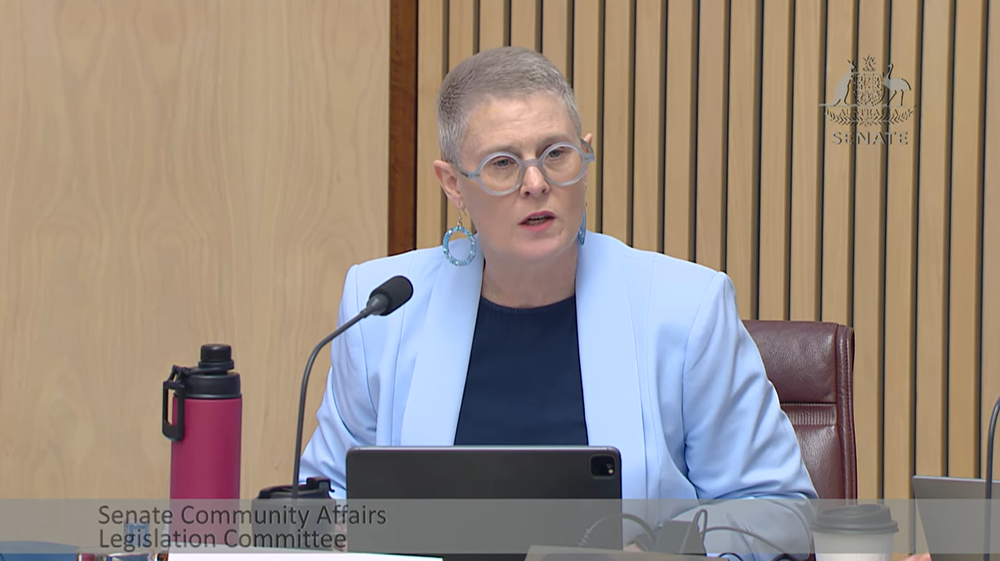
Greens Spokesperson for Older People Senator Penny Allman-Payne, who is chairing two Senate Inquiries into Support at Home, said: “Forcing people in their 80s and 90s to go through an onerous 16 page form to apply for help so they can have showers and meals each day is just ridiculous and cruel. It’s a system that’s been designed to deny people care.
“We’re hearing from pensioners under Support at Home who can no longer afford the help they need with showers, meals and medications, continence pads, or keeping a safe and clean home.”
During Community Affairs Estimates, Shadow Aged Care Minister Senator Anne Ruston asked how many consumers have declined Support at Home packages since the program was launched. The question was taken on notice.


