
The concerning trend in hospital presentations from residential aged care


Emergency department presentations and hospital admissions from residential aged care have been increasing steadily over four years.
Quality Indicator (QI) data shows there has been a “statistically significant” increase in both emergency department presentations and hospital admissions over the period July-September 2021 and July-September 2025.
The result was the only QI to show a deteriorating trend over the period.
Emergency department presentations and hospital admissions “are potentially preventable if residents have timely access to appropriate healthcare services”, the GEN Aged Care Data website states.
What’s behind the increase and is there a solution?
Lincoln Hopper, CEO of St Vincent’s Care, told The Weekly SOURCE that St Vincent’s sees the challenges of increased hospital admissions from residential aged care from both ends.
“We are a provider of residential aged care and we operate public and private hospitals and home and virtual care, across three states,” he said.

Residents are referred to hospital when they require a “higher level of care or more immediate clinical intervention” than can be safely provided in the residential aged care home, he said.
In-reach support can prevent need for hospitalisation
Residential aged care needs “specialised supports” to help maintain resident health and prevent future hospital admissions, he said.
“In our aged care homes, we’ve found that many cases can be managed safely in place through residential-in-reach support, avoiding altogether the need for someone to attend hospital,” he said.
Providing an example, Lincoln said a St Vincent’s hospital nurse was recently on hand at one of their residential aged care homes to oversee the changing of a resident’s catheter. The procedure would otherwise “have required a trip to hospital with all the associated costs and complications”.
“It was a better outcome for the resident and a better outcome for the aged care and health system,” Lincoln said.
Hospitals also have a contribution to make. St Vincent’s knows from experience the great value in stationing Geriatricians within Emergency Departments.
Saving 900 bed days
St Vincent’s Hospital Melbourne’s Emergency Department Geriatrician was able to divert almost 60% of older people from acute hospital admission in its first year of operation.
“That alone saved more than 900 bed days, reduced hospital congestion, and improved health outcomes for patients.”
Mandatory care minutes are no protection against hospital admissions, Lincoln added. They don’t consider the level of care required to address deterioration in a resident’s health or the need for a sudden escalation, and therefore are not enough, on their own, to prevent admissions, he said.
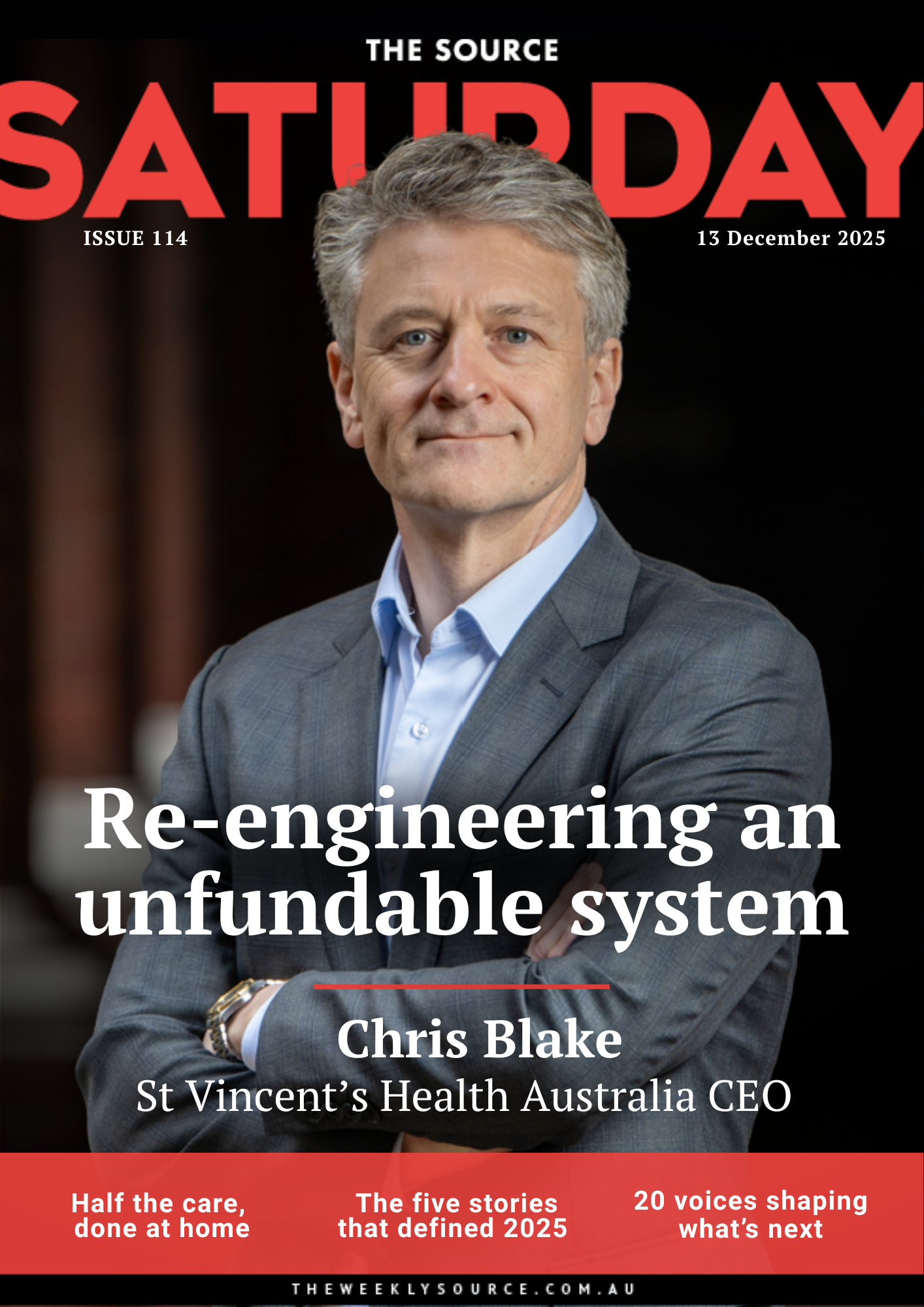
In December last year, St Vincent’s announced half of all care will be delivered in people’s homes or virtually by 2030.
To gain the hospitalisation data for the QIs, care records for aged care residents are reviewed every quarter.
Note: After this article was published, we became aware that ED admissions include telehealth and virtual presentations – in real terms, an avoided ED presentation.


