
How Adrian Puljich plans to build the first vertical land lease community in Australia
At just 37 years of age, Adrian is a disruptor in the land lease sector and his latest triumph will be revolutionary, bringing the model into the traditional retirement village stronghold of the cities. Adrian told SATURDAY that the approval just...


At just 37 years of age, Adrian is a disruptor in the land lease sector and his latest triumph will be revolutionary, bringing the model into the traditional retirement village stronghold of the cities.
Adrian told SATURDAY that the approval just before Christmas for the Puljich family-run GemLife's first vertical land lease community at Currumbin Waters on Queensland’s Gold Coast, was eight years in the making.
The community will feature six three-level buildings and one four-level building, with 205 three-bedroom homes, a multi-million dollar three-level country club and a total of cost around $450 million. The buildings have been designed by Gold Coast architect Jared Poole Design.
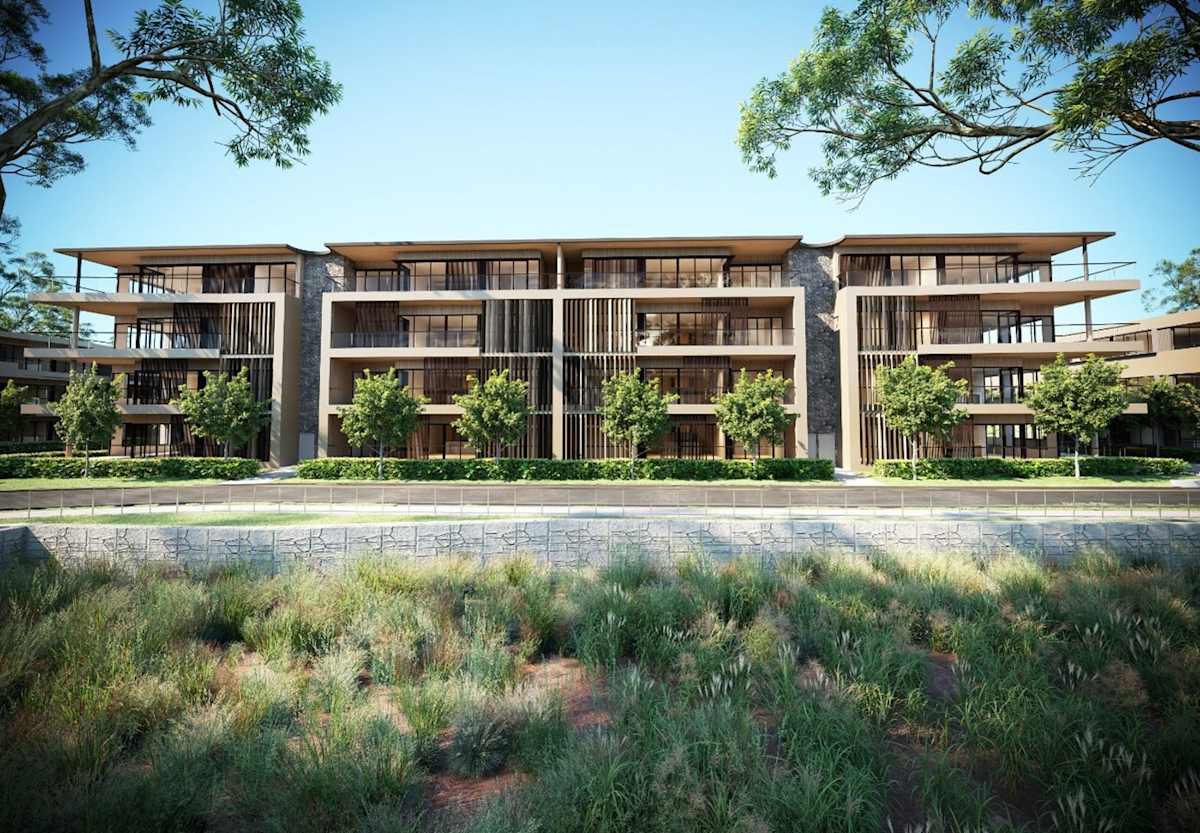
“We have achieved an outcome which, not only for the sector with respect to the vertical product offering is going to be revolutionary and we will be delivering a community that will be very unique, with respect to the environment in which the buildings will be located and how things are to be embellished and essentially delivered,” said Adrian. “It will be a very remarkable community and we're very excited for what lays ahead for us.
“This is not a vertical product that’s appealing only to the Queensland market but a product that I would happily deliver in Victoria and benchmark against the Victorian Movable Homes Act.”
How does it work?
"The definition of land is probably where it starts first and foremost. Land can be in the air; it can be on the ground, and it can even be subterranean. If you can identify the area, which is quite easy, they do it in high rises,” Adrian said.
"As long as you can identify the area by which the lease will be occupied by the homeowner, and you document that lease, that deals with the right to occupy and enables us to enter into a site agreement with the homeowner. "The structure itself is where we start to differ from conventional mid-rise to high-rise developments. Essentially, the structure would be built no different to a traditional structure that you see everywhere, but where we start to become innovative is the actual habitable structure becomes an independent structure.
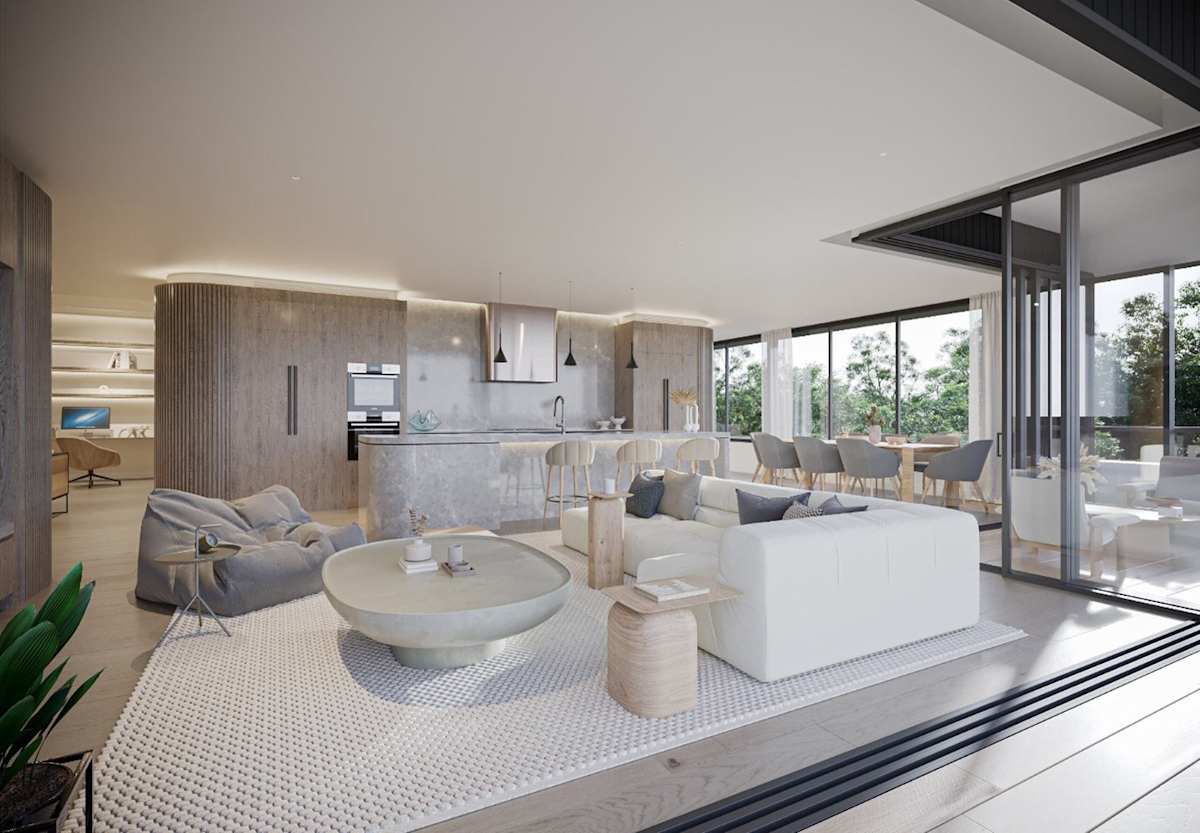
"It's basically a structure that sits within the air pocket, within the cavity of that carcass, let's call it, and is able to slide in and out without fear, without interruption to neighbours above, beside and underneath that particular dwelling that is being moved. That's the critical test. "Not only does the building have to be moved, but it is also the critical test for us and the Act. If the Act was to be applied to the letter, you must be able to demonstrate that you can move your house without impacting the use and enjoyment of the homeowner next to you.
“So that was one of the tests I wanted to be unequivocal in the solution. I didn’t want to leave any grey area or doubt as to any element of the building. Bill and Betty could be making a coffee in their unit next door, whilst Gary and Joan’s unit is being withdrawn from the cabinet.”
Is a vertical land lease community necessary?
"Back in 2012, I looked at the industry and I could see the transition from the retirement village operators into that vertical space. The RV operators left that traditional community space, went into that middle and inner ring type environment because they could deliver a DMF product free from the land lease community operator. "So, my view was to say, these broadacre sites are going to be few and far between in the future. I remember my father dismissing my comment, saying they were saying in the 70s that we were running out of land, look how big Australia is. If you look now, the land supply available, it’s not in areas that have sufficient infrastructure or services that ideally would create a holistic environment for our customer.
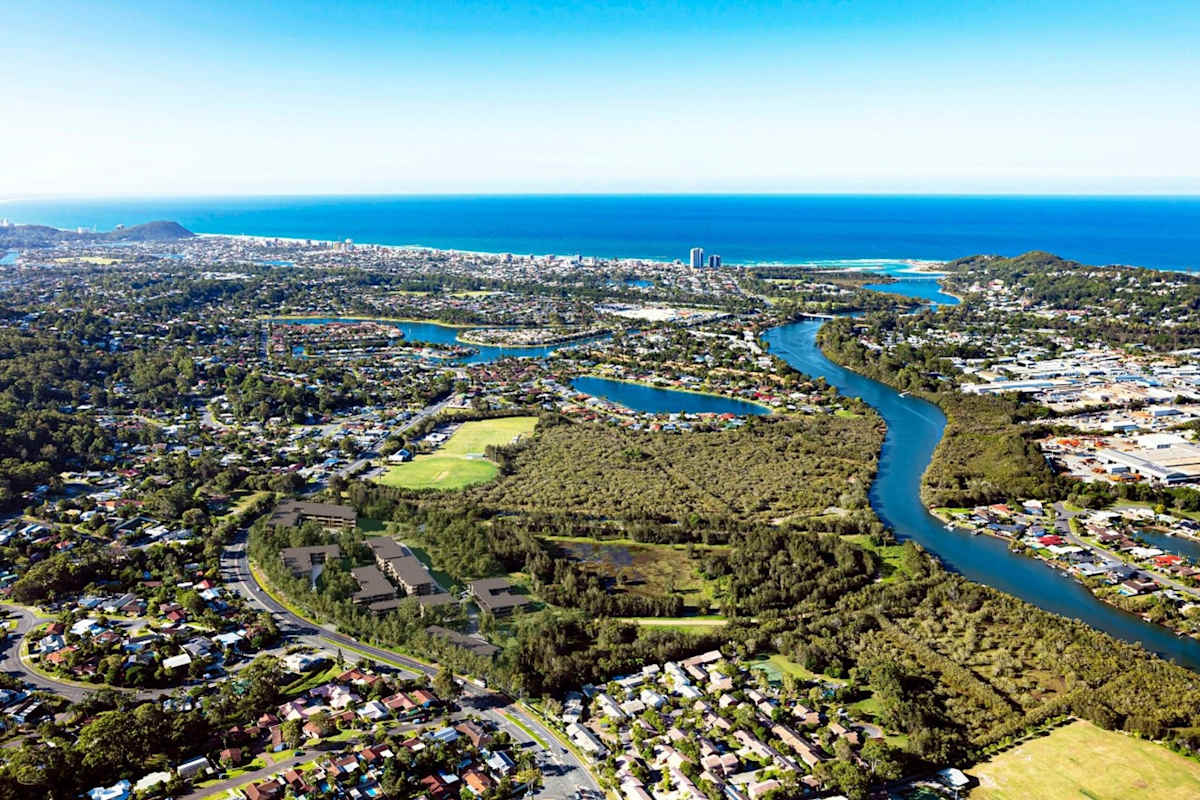
“I thought of ways in which we could deliver a vertical product, but the task that I set myself was to not only be able to deliver a vertical product in Queensland or South Australia, where there’s essentially no requirement for it to be mobile or movable; I want it to be able to go into Victoria and deliver it and make it stand up to every regulator down there. “We have managed to achieve that vertical product through our design. It’s not affordable. This is by no means a product where we can go and openly state that it is an affordable offering. It is not due to the nature of the way in which we must create the box and then the outer structure.
“But at the same time, you know, these will open areas, particularly that million-dollar median plus market, which now in Australia is quite common and allow us to look at sites that are two to three hectares in size instead of needing 10 to 15 hectares.”
The proof of a land lease vertical village
“It is my intention to document and film it happening in real time. I will welcome regulators right across the country to come and visit and inspect, because I have long seen land lease community operators as part of the housing crisis solution and this vertical product will further enable us to free up homes.
“We will move the products; we will demonstrate them. The one thing about Living Gems, GemLife and Aliria is our product is built the same way in every single state. My product, my chassis system, is the same.”
Adrian said he is hoping to break ground on GemLife Currumbin Waters in April or May this year.
“The land lease market is demanding innovation”
With more community facilities and home care now the norm, Adrian Puljich is not one to sit on his laurels.
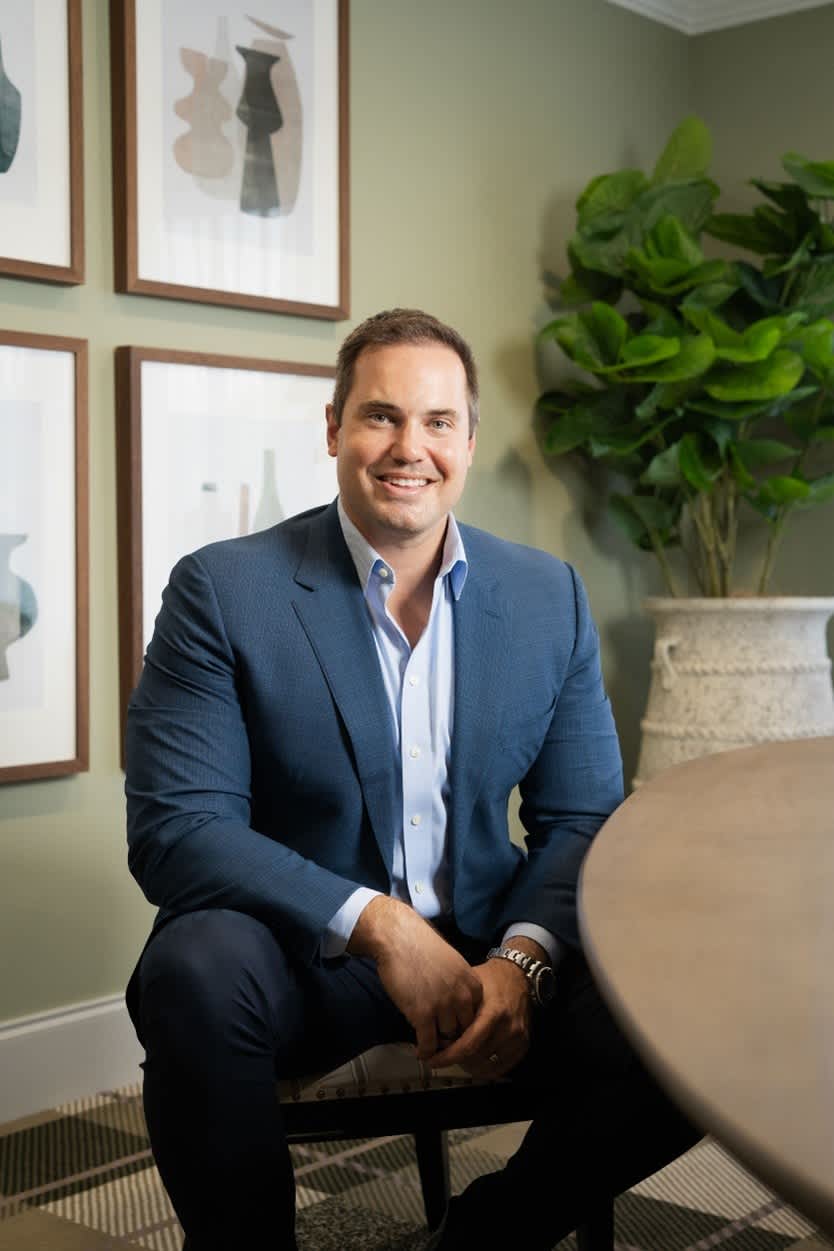
The land lease operator is weighing up rentals and the delivery of care up until end-of-life in his communities and says he is happy for other operators to follow his lead. “We’re a desirable commercial proposition, a lifestyle proposition. We need to be able to do more, whether that be through care, whether that be through renting, whether that be through a vertical product,” Adrian told SATURDAY. “If we can demonstrate to the market that it can be done, there’ll be new ideas that are born and spawn out of what I’m doing. “I’m aware that there are operators out there, and I can point to Palm Lake Resort Forster Lakes. I’ve seen their development application. They’ve got a vertical element around their lake in their community that I think they’re waiting for me to get going, so they can learn off it.
"I want that. It’s the only way that we get better as an industry is if we continue to challenge our thought processes, the way in which we deliver facilities. I’m not looking to harbour these ideas.”
He welcomes competition from beyond the land lease sector too. “I wanted to demonstrate that what exists today could be delivered in a format that satisfies the Act,” Adrian underlines. “If there are others that can see what I’m doing and learn from it and improve on it, that's better for me too. I'm sure players that are already seasoned vertical operators or high-rise developers look to then capitalise on the land lease space and change their structures in the future to emulate what we are doing. I don’t see that as a bad thing.” Watch this space then – and don’t miss Adrian at the 2025 LEADERS SUMMIT, 18-19 March in Sydney. Register here.


