
Is the ‘traditional’ aged care home on borrowed time? Ian Yates says yes
With bed licences getting the boot from 1 July 2025, the Federal Government has theoretically freed up operators to build wherever they want. But with customers becoming more vocal that they don’t want residential care and the cost of...


With bed licences getting the boot from 1 July 2025, the Federal Government has theoretically freed up operators to build wherever they want. But with customers becoming more vocal that they don’t want residential care and the cost of construction exploding, the former COTA Chief Executive and former Acting Inspector-General of Aged Care predicts the ‘tipping point’ for “institutional” aged care is here.
As the sector grapples with the challenges of raising the capital for expensive new aged care beds, the question of ‘why build new beds at all?’ remains unanswered.
As we have reported, the cost of building an aged care bed has doubled since the COVID-19 pandemic, with land, development and operational costs pushing the average bed price to over $600,000 in some metropolitan areas. But there is another little-discussed question holding back the delivery of new beds: why and what should the sector be building to support future ageing Australians?

Ditch the “cookie cutter” approach to residential aged care: Ian yates
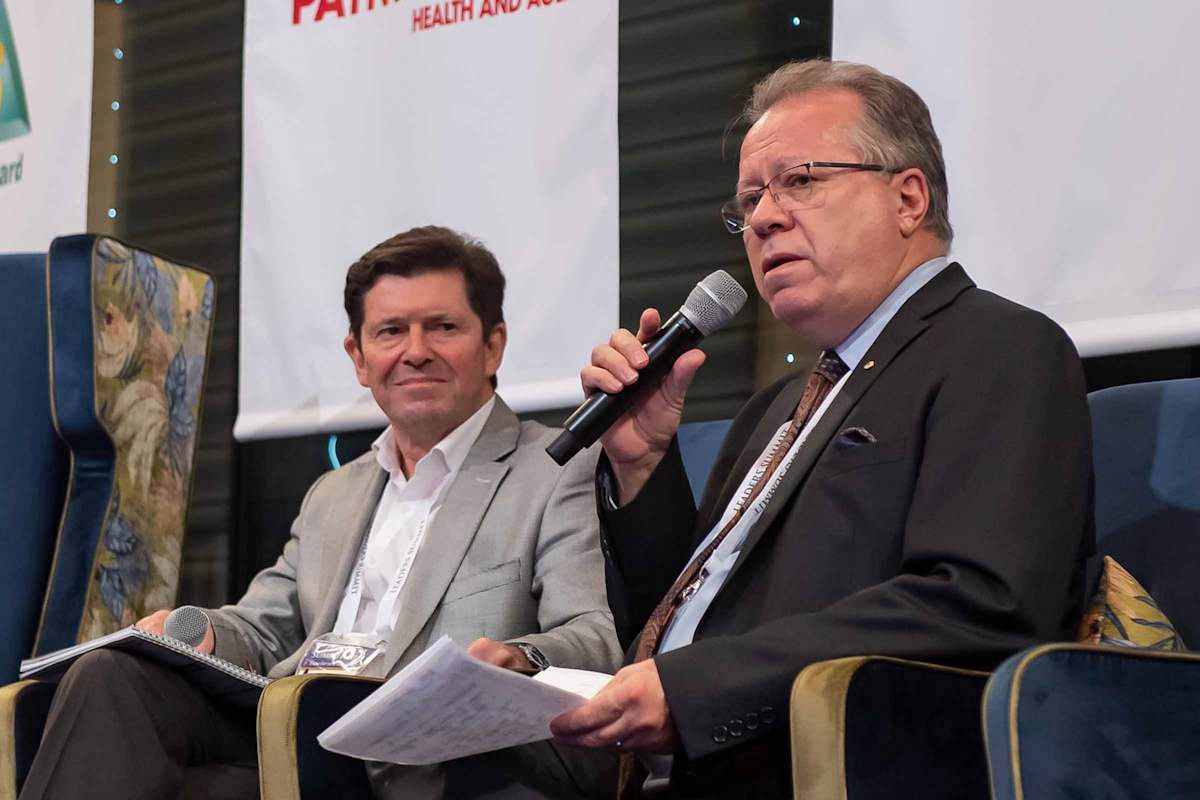
Ian Yates AM (pictured above) has long maintained that aged care providers need to move away from the institutional “cookie cutter” approach to residential aged care. “For the foreseeable future, there will be a need for a level of residential care for people who don’t have support systems or where the levels of care and support required are just too high,” he told SATURDAY. But that level of care required does not apply to everyone. The thinking is that more and more people will be cared for at home, not in residential aged care.
“I have also been saying for 10 years and more that if I was building retirement villages and residential aged care, I would be building highly flexible structures that are adaptable to changing needs and genuinely about being as home like as possible,” he said.
Ian points to the example of land lease communities, which have increasingly incorporated care options into their service offerings in recent years to meet customer demand – see Ingenia Communities and its service Ingenia Connect service (pictured below) or Adrian Puljich and his pledge to provide end-of-life care.

“The Royal Commission told us what everybody knew, which is that people want to stay at home,” Ian explained. “For some people, home is a retirement village or a land lease village or other forms of seniors specific living. For others, it’s just staying in the house where they were, and that diversity will continue.
“But why shouldn’t they get the maximum amount of care in that home? It is still cheaper than Government providing residential care.”
No available Packages, no care staff
The challenge is that there are too few Home Care Packages for the demand. The national waitlist stands at 76,000 according to the latest figures from the Department of Health and Aged Care. Across the country, there are approximately 200,000 residential beds; the average occupancy for dementia is around 15 months and nine months for non-dementia residents. This equates to say 12 months average or 100% turnover of residents a year. If home care is to replace residential aged care for say 50% of customers, another 100,000 Home Care Packages are required on top of the 76,000 people currently waiting for a Package. With Level 4 Packages costing the Government around $62,000 per year or around $78,000 when Support at Home begins, the savings are significant compared to $130,000 average cost of a residential customer.
But are more Packages coming?
Ian noted he recently attended a seniors’ forum organised by the Independent MP Rebekha Sharkie where one of the main issues for attendees was the lack of access to Packages and CHSP funding. He continues to be a staunch advocate for Home Care Packages being available on an as needed basis as a human right. The Government has claimed that its commitment to reduce wait times to three months by 2027 will essentially mimic an on-demand system because if wait times blow out by more than three months, new Packages will automatically flow. However, Ian argues that this is too long for people with assessed needs to wait and does not include the time taken for an assessment – which can take up to six months currently.
The latest data from the Productivity Commission shows that the number of aged care assessments declined in FY24 to approximately 202,000 from 207,000 in FY23 – suggesting excessive wait times for assessments. To eliminate the on again/off again supply of Packages, the Government must commit. “It is fundamental that Government has to make the policy decision and put it in the legislation,” underlined Ian. This is in addition to the new Aged Care Act coming into effect on 1 July. Ian predicts that the Government will return to Parliament, within 12 months of the new Aged Care Act coming into force, with amendments.
“If there are shortages amongst providers and staffing, that’s another issue. But you don’t use those as a policy driver.”
Why and what to build?
Demand for aged care beds in raw numbers will not decrease. The number of people turning 84, the average age of entering residential aged care, is set to jump by 40-plus% as the Baby Boomers bubble hits that age in 2029.

Aged care accountants StewartBrown have forecast that around 40,000 new beds will be required by 2030 – just five years’ away – to meet growing demand, a target that will never bet met. There is uncertainty about whether the current buildings – many already over 30 years old – will still be relevant in say 10 years. Smaller providers and their boards are especially grappling with how to plan, given the current lack of financial resources to build. With aged care residents now required to contribute to the cost of their accommodation and daily living services from 1 July, many will be demanding more choice about where their care is delivered. Delivering greater levels of care into the retirement village or home is also more likely, given the ongoing lack of development. There are already some operators that are well-prepared for this future – think the private aged care operators LDK Seniors’ Living and Odyssey Lifestyle Care Communities. John Frame’s Grandton Applecross strata apartment model in Perth is also proving that high care can be successfully delivered into a retirement living model, with some of its residents moving out of residential aged care into the development which features aged care suites and services provided by Roshana Care Group (pictured right). The Department of Health and Aged Care is now set to put the idea of pooling home care funding to provide care services in community settings such as retirement villages to the test. The Retirement Living Council’s proposed ‘Shared Care’ model will be trialled as part of the new Support at Home program starting 1 July 2025, funded by $5.2 million in Federal Government cash. The sticking point however remains the availability of Home Care Packages – and workforce. And the question, why build and what to build? Watch this space then. Ian will be appearing at the LEADERS SUMMIT, 18-19 March in Sydney – this is your opportunity to hear more of his insights. Register here.


