
Opinion: Land lease delivers on mission – so why are Not For Profits missing in the land lease action?
Affordable, secure, and community-driven housing. For decades, this has been the mantra of the Not For Profit retirement living sector. And yet, one of the fastest-growing models delivering exactly that – land lease communities – is being left...


Affordable, secure, and community-driven housing. For decades, this has been the mantra of the Not For Profit retirement living sector. And yet, one of the fastest-growing models delivering exactly that – land lease communities – is being left almost entirely to private operators.
Land lease living ticks every box of the NFP mission statement. The model offers affordable homes, ongoing rental support through Centrelink subsidies, and the kind of vibrant, connected communities that retirees crave.
For single pensioners and couples alike, land lease communities are a lifeline – combining independence with social connection, often at a price point that retirement villages rarely achieve.
And let’s not forget the profitability factor. Private land lease operators are reporting development margins of upwards of 30% on these builds. If the model can both support financial sustainability and deliver on social outcomes, why aren’t more NFPs building them?
The myth of ‘too big to handle’
One common argument is that LLCs are large-scale, commercial undertakings that don’t suit NFPs with smaller land holdings. But this assumption is false.
While operators like Stockland and Ingenia are rolling out sites of 150 to 500 homes, smaller communities of 50 to 100 homes are not only possible but thriving. GemLife, for example, is pioneering boutique LLCs with its pocket parks – proving that scale can be tailored to fit.
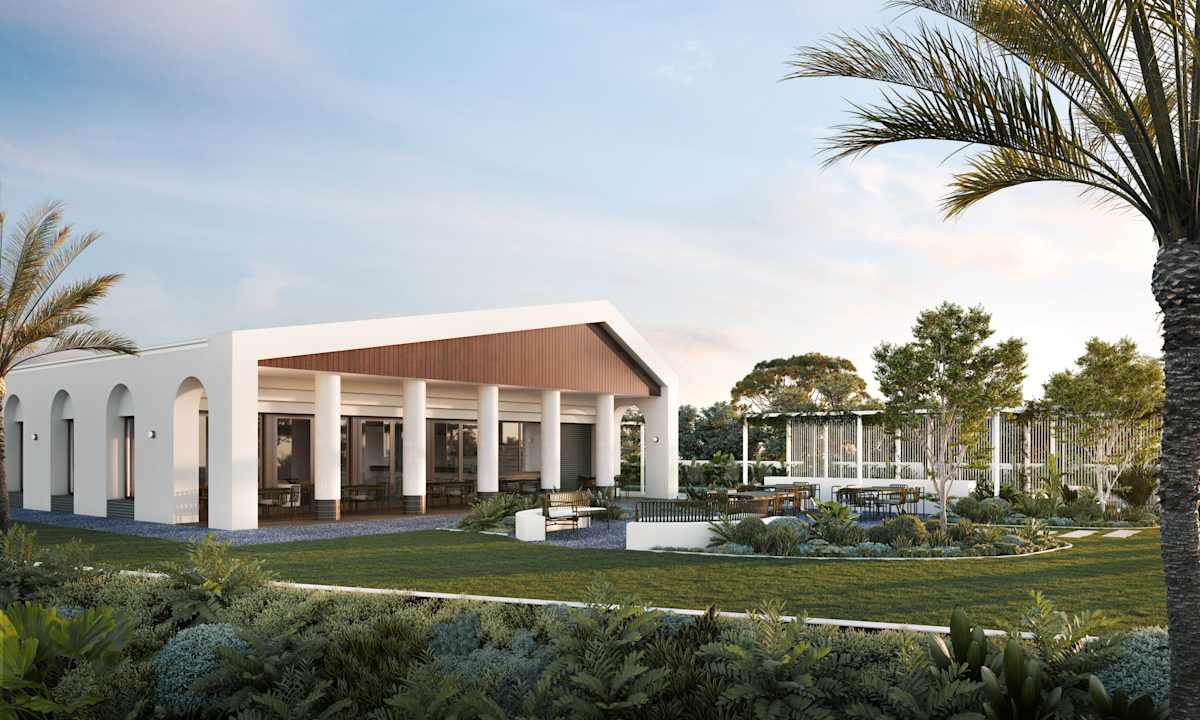
NFPs have land banks across Australia, including in regional towns where housing stress is acute. These sites could easily accommodate a 50-home land lease community, offering both affordable housing for seniors and a steady revenue stream to fund care services.
Staff housing: the missed opportunity
The workforce crisis in aged care is well documented, and one of the biggest hurdles in regional areas is housing availability. Why couldn’t NFPs use LLCs not just for retirees, but for staff accommodation?
Royal Freemasons’ Benevolent Institution (RFBI) has already shown what’s possible. At its Coffs Harbour Masonic Village, it converted St Clair House into 15 affordable apartments for staff, rented at around 50% of the market rate. When those workers retire, they’re welcome to remain in the accommodation. It’s a model that addresses two issues at once: workforce retention and senior housing.
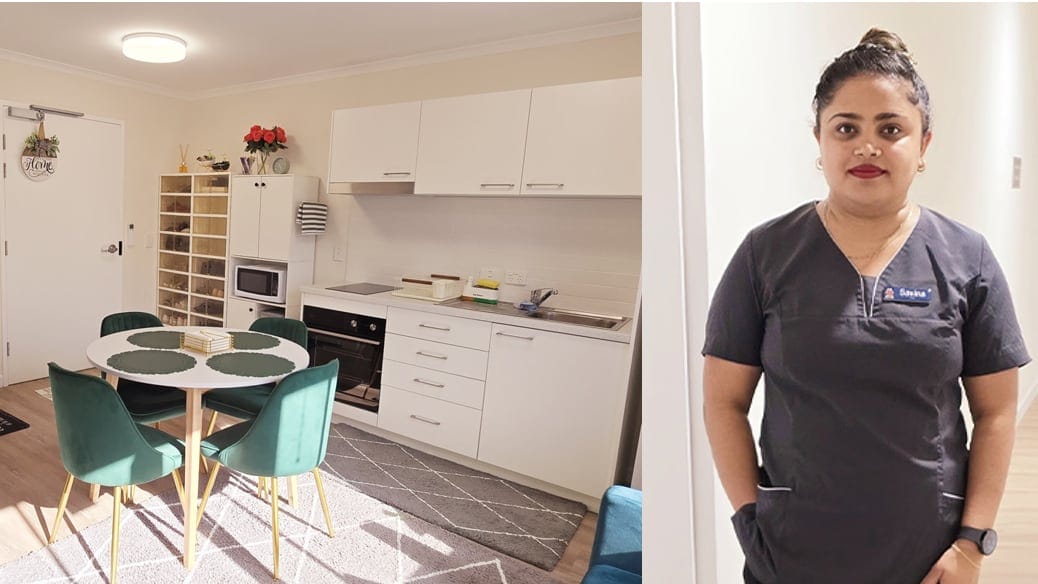
Imagine if more NFPs adopted this thinking – creating mixed-use LLCs that provide both affordable homes for residents and staff. It’s not just mission-driven; it’s strategic.
Bethanie leads the way – but alone
At present, Bethanie in WA is the only major NFP to announce a land lease development. It’s a lonely leadership position in a sector that prides itself on innovation.
Is it risk aversion? A lack of internal expertise? Or simply a reluctance to step outside the traditional retirement village model? Is it a fear of housing quality? Modular and manufactured homes ideal for the affordable end of the market are now being funded by the Commonwealth Bank for new home buyers. Quality is no longer a question.
Whatever the reason, the excuses are wearing thin.
The ageing sector is under pressure to diversify revenue streams, deliver affordable housing, and rethink outdated models. Land lease delivers on all three fronts.

The time to act is now
With pensioner poverty on the rise and the demand for affordable housing at crisis levels, the need for NFPs to step up has never been clearer. Land lease is not just a commercial opportunity – it’s a natural extension of the mission to provide safe, supportive communities for older Australians.
The private sector has already proven the model works. The question is: will the Not For Profits continue to watch from the sidelines – or will they start building the future they’ve always promised?


