
Seven key moments from the first hearing of CHSP Integration Senate Inquiry


The first hearing for the Senate Inquiry into the Transition of the Commonwealth Home Support Program (CHSP) into Support at Home was held in Canberra on Friday (6 February 2026).
Many of the issues raised echo those revealed in submissions. To date, 105 submissions have been published.
Among those giving evidence during the four-hour hearing were:
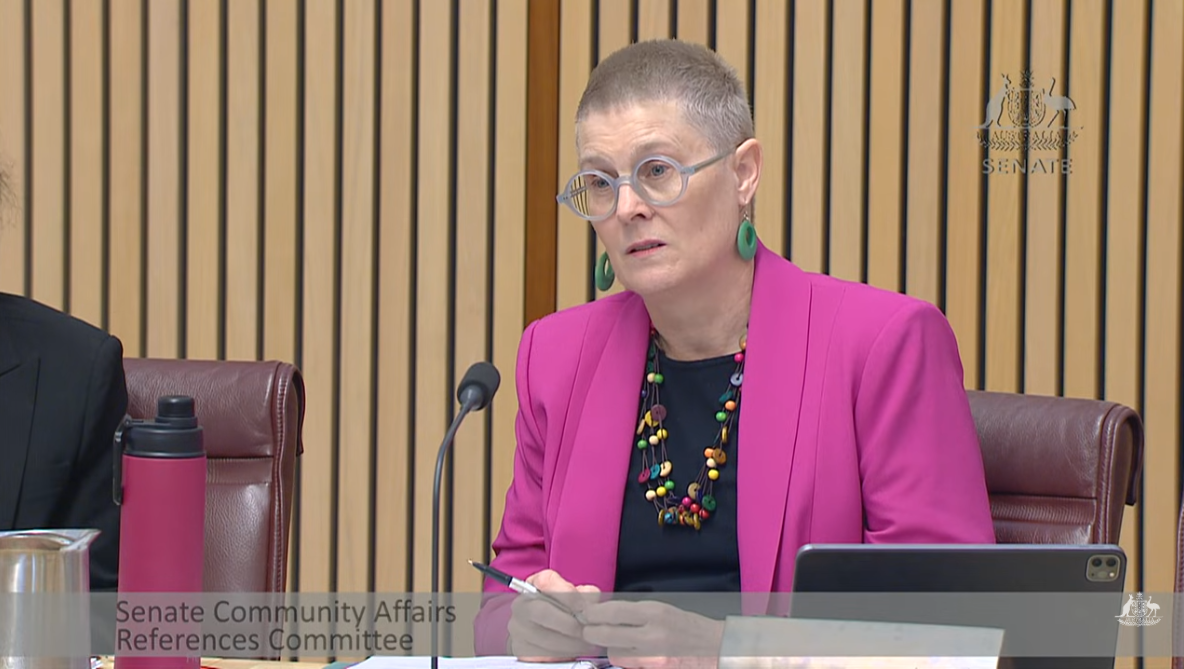
- Natalie Siegel-Brown, Inspector-General of Aged Care;
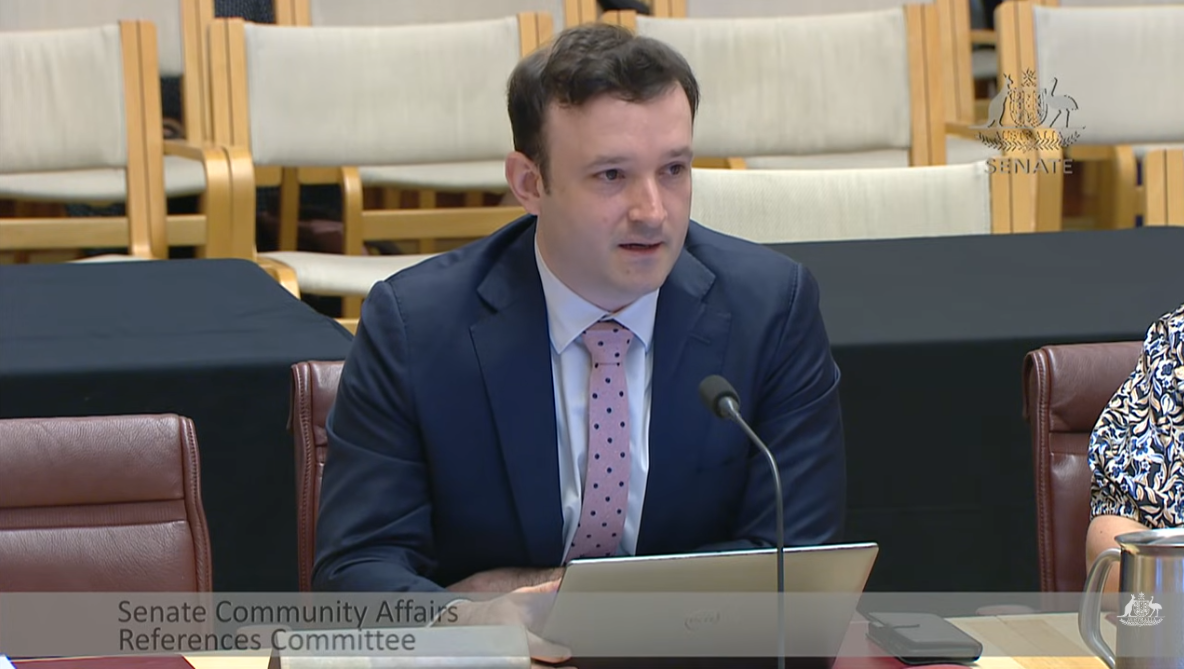
- Tim Hicks, Executive General Manager Policy and External Relations at Bolton Clarke;
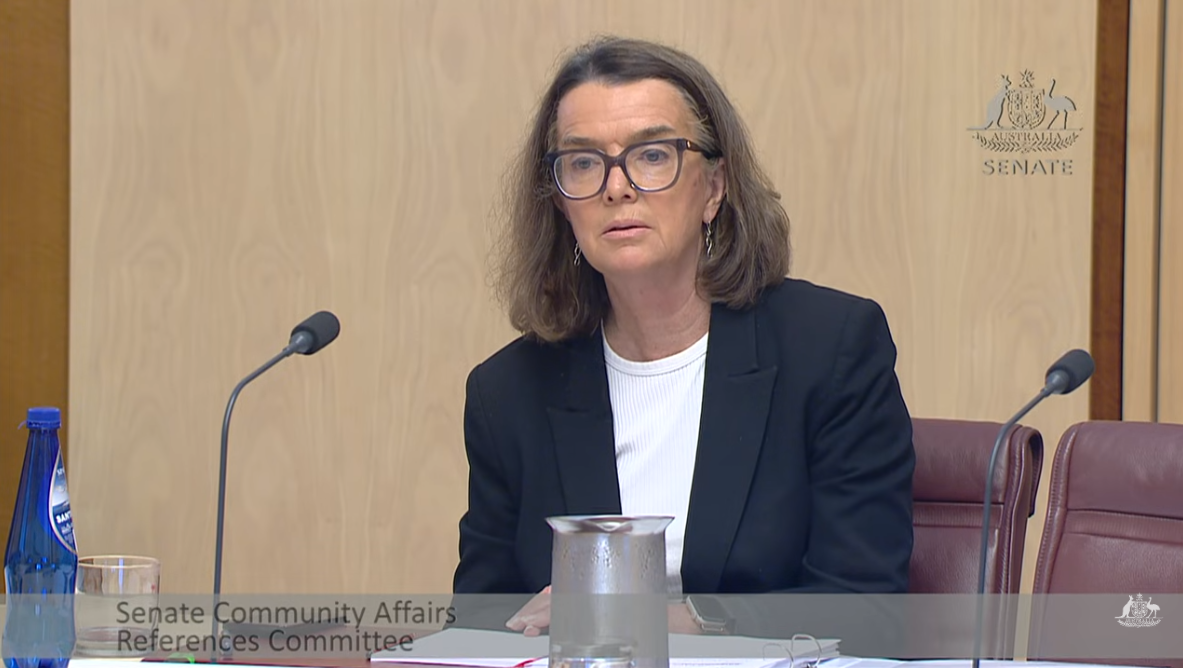
- Marcela Carrasco, Executive General Manager Home Care at HammondCare;
- Maria McLaughlin-Rolfe, Acting Group Executive, Aged Care and Community Services at BlueCare;
- Georgina Watson, Head of Policy, UnitingCare Australia;
- Craig Gear, CEO of the Older Persons Advoacy Network (OPAN); and
- Greg Pugh, First Assistant Secretary, Access and Home Support Division, with the Department of Health, Disability and Ageing.
Having watched the hearing, key moments stood out to us that reveal deep sector concerns about the integration of the CHSP into Support at Home.
- The rollout should be delayed until Support at Home has stabilised.
Tim said Bolton Clarke, which supports around 130,000 home care clients, is still focused on implementing Support at Home three months into the new program.
“We’re still getting elements of it bedded down,” he told the panel.
Bolton Clarke recommended decisions about the future of the CHSP should wait until after the implementation has been finalised, including debates around pricing and co-contributions.
- Co-payments are causing problems
Natalie said her email inbox is flooded with problems related to Support at Home co-payments.
“People are writing to me saying they can no longer afford their continence pads. They can’t go out in public, because they’ve got no way of ensuring that there won’t be any bladder or bowel leakage.
“I’ve got people constantly writing to me saying they can’t get showered because of the co-contributions model.
“If we merge CHSP into a program that has those problems, where will we be?" she asked.
- Is the change needed at all?
Tim said the system doesn’t require wholesale change.
“Big, complex changes create distraction and burnout. A simple path forward would be to extend the Support at Home co-contribution rates to CHSP after we make any course corrections.”
Natalie said she hasn’t received an explanation as to why the merge is necessary.
“I don’t understand why we’re undertaking the transition at all. If no-one can explain the rationale for the transition, 18 months out from D-day, should we be doing the transition at all?” she asked.
- Uncertainty about the transition is causing providers to exit
Natalie said operators are questioning their viability with the possible 2027 deadline looming. “So some people are choosing to shut up shop now,” she said.
Inquiry Chair, Greens Senator Penny Allman-Payne, said a small community CHSP provider in regional Queensland spent $150,000 assessing if they could make the transition to Support at Home.
“What they learnt ... was that they would not be able to provide their service at all under Support at Home, because it just wasn’t cost effective or manageable.”
Claudia Odello, CEO of Meals on Wheels NSW, said the uncertainty is doing damage.
“Ongoing uncertainty about CHSP beyond 2027 is destabilising organisations like Meals on Wheels. Services can’t confidently recruit, invest or plan for demand and innovation when the future setting is so unclear.”
- Block funding should continue
Georgina Watson said: “Once this transition does occur, block funding should be retained for services which are unlikely to suit a fee-for-service model but are essential to maintaining the independence of older people. These services include meals, transport, social support and cottage respite.”
Tim said Bolton Clarke employs specialist nurses in Victoria through the CHSP.
“That lets us deal with more complex needs, keeps people out of hospitals in Victoria. It is part of the reason why Victoria has very low rates of long-stay older patients in hospital. It will be difficult to maintain that kind of capacity on a fee-for-service package-based model.”
- Better communication is needed
Marcela Carrasco said HammondCare is strongly stressing the importance of good communication about the changes.
“The communication not just to the sector but to the clients and the people we serve to ensure that we can maintain continuity, reduce the confusion that we’ve seen through the Support at Home transition,” she said.
Georgina advocated for a phased approach that must be underpinned by system readiness, a clear road map and guidelines from Government.
- An alternative
Natalie suggested the Government bolster the CHSP.
“If we get it right, it’s literally the most immediate means that the government has to realise the act’s promise of helping people remain independent, connected and well for longer.”
The Inquiry is due to report on 15 April 2026.
A transcript of the hearing is available here.
You can watch the hearing on YouTube here.
A second hearing will be held on Monday 16 February 2026. At the time of writing, the program had not been finalised but it is expected to be published by the end of the week here.


