
States cry poor as over 3,100 people wait in hospital for aged care


With billions flowing to hospitals under the new National Health Reform Agreement (NHRA), a new battleground has opened between States and the Commonwealth.
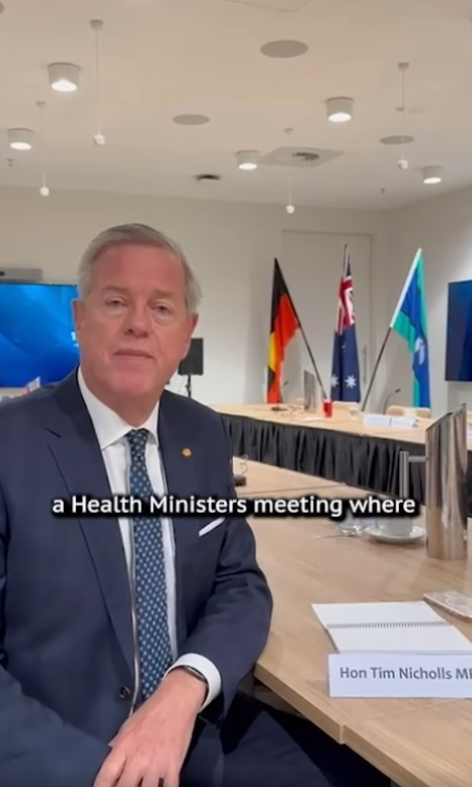
At Friday’s (13 February) Health Ministers meeting, States pressed the Federal Government to take greater responsibility for older patients in State-run hospitals waiting for Federally-funded aged care services, either a bed or Home Care Package.
The State Ministers presented new data showing an unprecedented 3,137 older patients were stuck in hospital, unable to access aged care. Queensland has 909 older patients waiting for aged care, more than any other State.
Queensland Health and Ambulance Services Minister Tim Nicholls said he had urged the Federal Government to “do their fair share”, arguing his State is already building more hospital beds to expand capacity.
“It’s a Commonwealth responsibility,” he said.
The National Health Reform Agreement
The meeting follows January’s signing of the NHRA, when the Federal Government committed an additional $25 billion over five years for State hospitals. This brought the total health funding agreement to $220 billion for the period 2026-27 to 2030-31.
During the December 2025 negotiations, marked by a State campaign highlighting growing pressure on hospitals caused by aged care bed shortages, the Commonwealth offered $2 billion to improve delayed discharge of older patients into aged care.
But in the final agreement, no money was ‘ring fenced’ for aged care, with Nicholls saying the Commonwealth “rescinded” the offer.
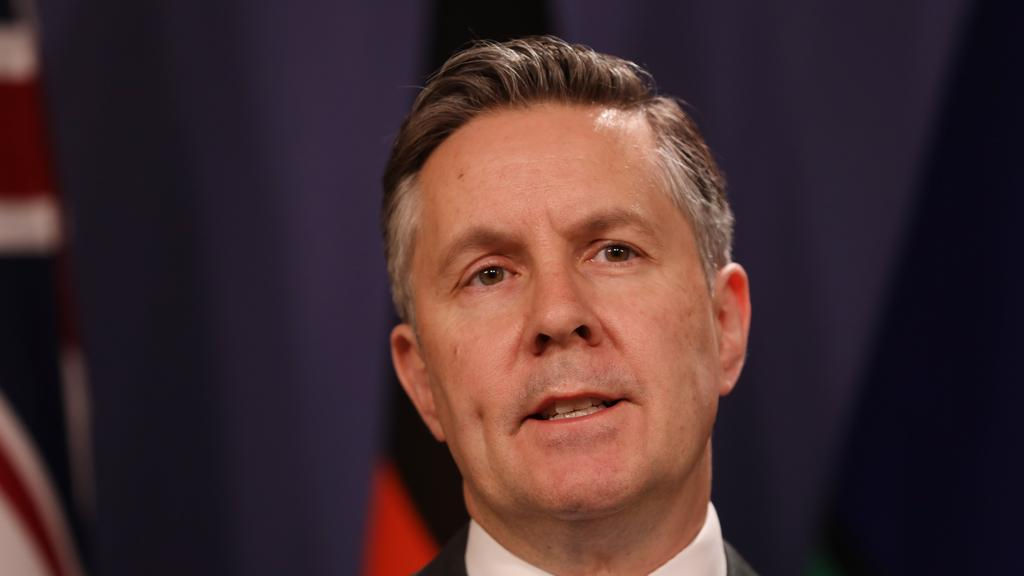
Federal Minister for Health, Disability and Aged Care Mark Butler said the States and Territories had directed the additional spending in the final NHRA into their hospital systems.
“It is now time for the states to deliver on their promises to give Australians better access to health services they need, when they need them,” he said.
However, under Schedule C of the NHRA, all jurisdictions are required to work together to improve transitions for older people moving between hospital, the community and aged care.
A spokesperson for the Victorian Government told The Weekly SOURCE: “Under the NHRA, all jurisdictions agreed to work together to strengthen pathways between the primary and aged care systems.”
At Friday’s meeting, Ministers agreed to continue addressing the delayed hospital discharge of older people and to “enhance system-wide action to address discharge barriers”, according to a communique.
Where are the States putting their money?
The States are investing in programs aimed at providing interim care and preventing hospitalisations for older people.
Queensland has invested $581 million over two years for 515 interim care beds.
NT Health has provided land and $10 million for a new 120-bed aged care facility at Palmerston Regional Hospital, Darwin. The Commonwealth has put $60 million towards the project.
The WA Government has a range of initiatives: the $100 million Low Interest Loan Scheme aimed at delivering 500 concessional aged care beds, currently accepting applications, 88 Time to Think beds, and a $30 million State investment for the Commonwealth/State Transition Care Program. WA is also in the process of establishing three metropolitan Older Adults Hubs.
Victoria has “a range of services” to support older people to leave hospital in a timely way and to support those awaiting placement into aged care, most notably their well established community nursing program.
SA Health has developed a Transition Care Service to provide a base for older patients who no longer require hospital care to transition while they wait on aged care.
Within five years, Australia will have 150,000 more people aged 85 and older – a 25% increase. Yet only 800 new aged care beds were built last year. Pressure on hospitals will intensify, and quickly. Improving transitions between hospital and aged care may ease the flow, but it cannot solve a fundamental shortage of capacity that is tightening its grip on both systems.


