
The future thinkers: 20 leaders building the ageing sector’s next decade
Across home health, private aged care, affordable rentals, dementia care, regional turnarounds, policy and technology, they’re not waiting for the system to catch up – they’re building alternatives at speed and scale.


From home hospitals and private aged care engines to small households, rental revolutions and AI in the lounge room, these are the people and providers quietly writing Australia’s next playbook for ageing.
If Plan T is about transformation, these are the people already living it.
Across home health, private aged care, affordable rentals, dementia care, regional turnarounds, policy and technology, they’re not waiting for the system to catch up – they’re building alternatives at speed and scale.
Here, SATURDAY profiles 20 providers and leaders whose strategies are shaping where and how Australians will age over the next decade.
The home health system builders
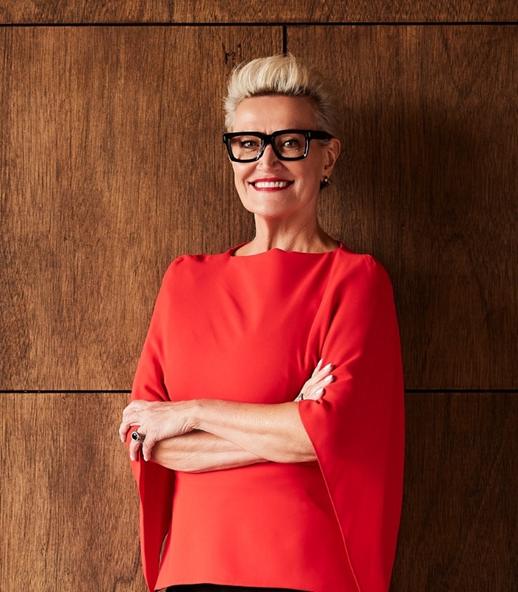
Silverchain
Hospital thinking in the lounge room
Silverchain – led by CEO Dale Fisher (pictured) – has long treated “home care” as something bigger than cleaning and shopping. In WA and now across multiple primary health networks, it assesses, treats and stabilises people at home – from chronic disease to palliative care – to keep them out of hospital and residential care.
Now, with partners Talius and CuriousThing, Silverchain is layering AI on top of that reach. Its virtual assistant pilot is redesigning the simple appointment call into a proactive touchpoint and freeing clinicians to focus on high-value care.
The acquisition of KinCare gave it East Coast muscle; the next step is using that footprint to argue that acute home care should be the norm, not the exception.
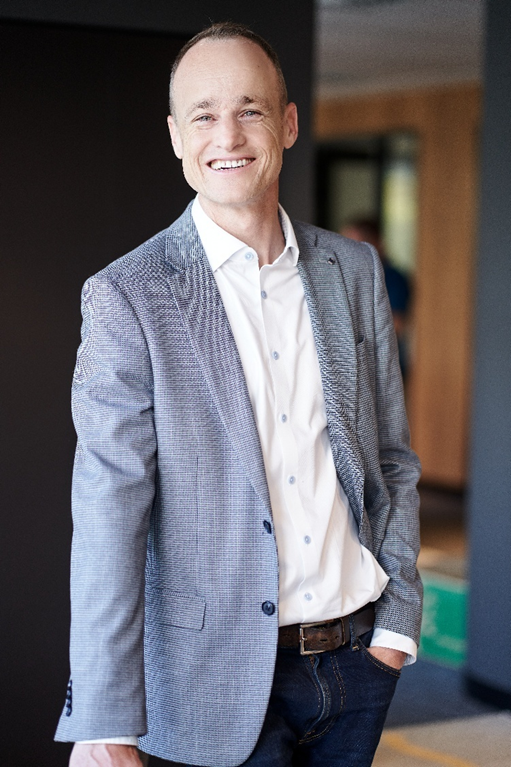
Amplar Health
Turning “home first” into hard infrastructure
Medibank-owned Amplar Health is building a parallel health system: hospital in the home, rehabilitation in the home, virtual nurses into residential aged care, and hotel-based transition care for people not quite ready to go home.
Its My Home Hospital program in South Australia has already treated tens of thousands of patients in virtual wards with re-presentation and readmission rates traditional hospitals would envy.
CEO Robert Read’s (pictured) proposition is simple: if up to 30% of conditions can safely be treated at home, Australia doesn’t need more beds – it needs logistics, digital monitoring and multidisciplinary teams that move with the person, including into retirement villages and aged care homes.
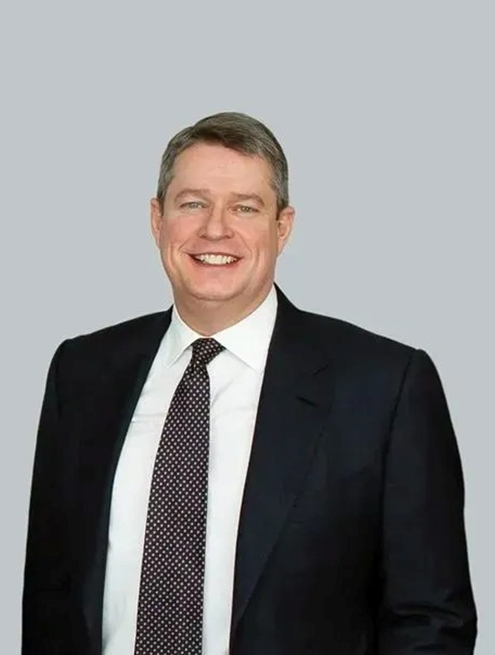
Australian Unity
Building a home health powerhouse
Australian Unity has quietly assembled one of the country’s most formidable home health platforms. Its Home Health division brings together logistics, clinical care and data, combining telehealth, hospital-in-the-home and virtual monitoring under one umbrella.
The $285 million acquisition of myHomecare Group gave it scale – over 50,000 customers and a sizeable slice of the Support at Home funding pool – but the real story is how it’s using AI and workforce optimisation to stretch scarce clinicians further.
Outgoing Group CEO Rohan Mead (pictured) has been blunt: the ageing population will overwhelm current systems which are no longer fit for purpose. His answer is a business model built around care where people live, not where the beds are.

St Vincent’s Health Australia
The command centre model
St Vincent’s has drawn one of the clearest lines through the decade ahead: by 2030, half of all its care will be delivered in homes or virtually. For a system that touches around two million patient and resident interactions a year, that’s not a pilot – it’s a pivot.
As we report in this edition, CEO Chris Blake (pictured) frames it in hard numbers: on current settings, the health and aged care system is “unfundable within five years”.
For the Not For Profit, the fix isn’t more hospitals; it’s a national network of hubs and spokes with 24/7 command centres, virtual wards, wearable-driven monitoring and clinicians supporting people where they are. St Vincent’s is betting that if it proves the model, policy will have to follow.
Private aged care: people will pay for certainty
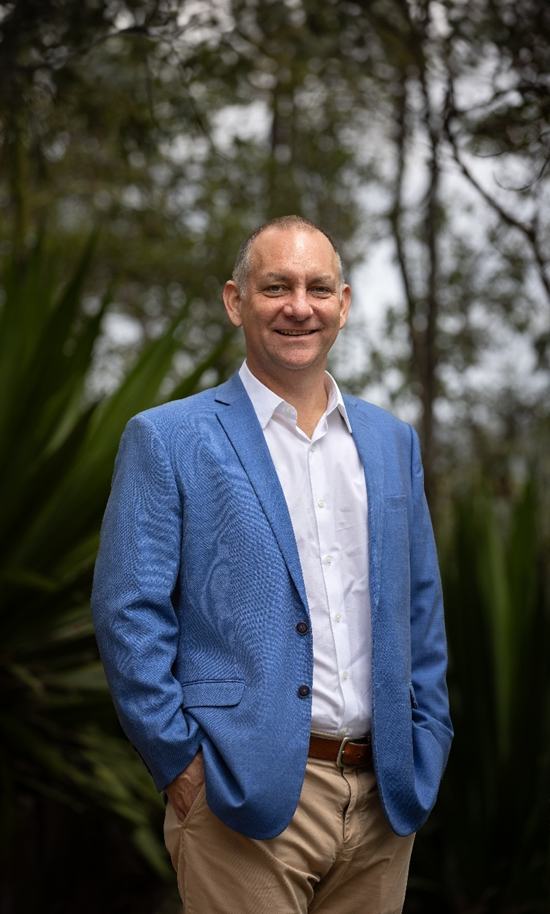
LDK Seniors’ Living
Membership as a care engine
Founded by private aged care veteran Paul Browne and now spearheaded by CEO Byron Cannon (pictured), LDK’s Village Membership model flipped the traditional DMF on its head. Instead of waiting for an exit to fund services, residents pay an upfront membership so the operator can invest in care, hospitality and staffing from day one.
With its villages Greenway Views and Amberfield effectively operating as private aged care communities – high acuity, Level 4 Home Care Packages, dementia-specific environments – LDK is proving that older Australians will pay for certainty, continuity and not having to move again.
The fact Anglicare has taken a 50% stake in LDK – and adopted the model in its own villages – is perhaps the strongest sign that this is more than a passing fad.
Odyssey Lifestyle Care Communities
“Business class” aged care at scale
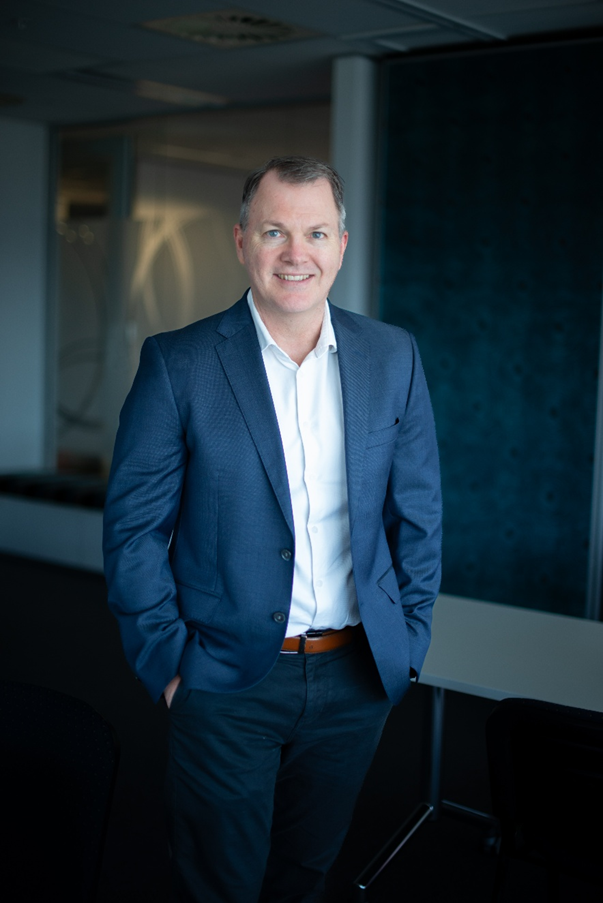
Odyssey is testing how far private aged care can run on a DMF-only engine. Backed by Catalyst Health REIT and, increasingly, bank debt, founder Phil Usher – who also co-founded private aged care operator Tall Trees with LDK’s Paul Browne – and CEO Aaron Lavell (pictured) is rolling out a pipeline of vertical, high-service communities where care is delivered at cost and the return comes from the property.
With high occupancy, multi-million-dollar penthouse sales and escalating care hours, Odyssey is proving that “business class is always full” when the product is right. And now it’s doubling down on control. With the launch of Odyssey Build, the operator has taken construction in-house, hiring senior tier-one talent to deliver future developments itself.
Rental and affordability disruptors
Eureka
From over-50s rental to all-age platform
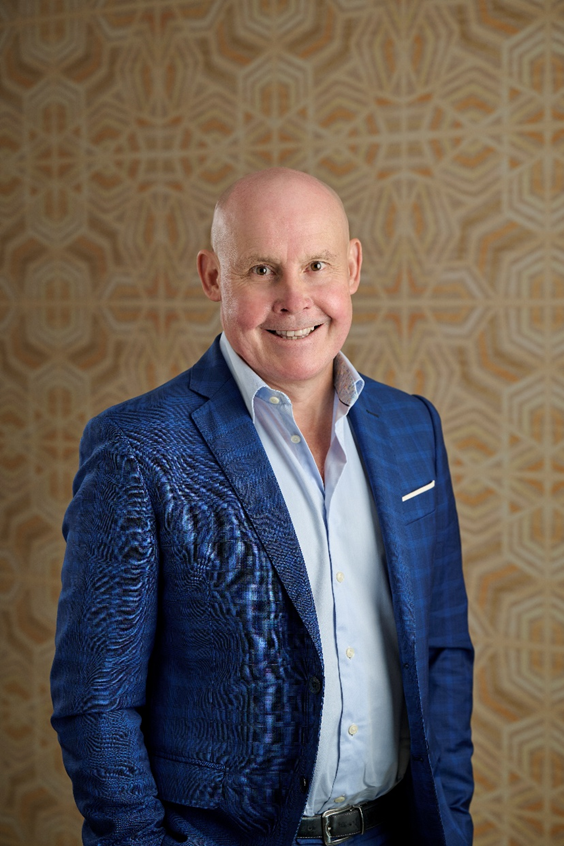
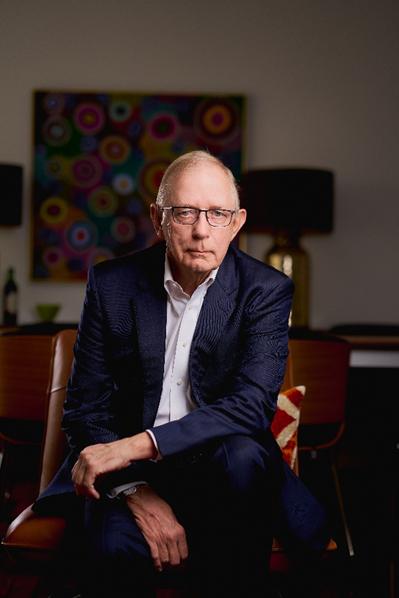
Simon Owen (pictured top), together with Chairman Jim Hazel (pictured below), led the transformation of Ingenia Communities into a land lease engine, driving the sector to be recognised as a genuine asset class.
 At Eureka, Simon is effectively trying to
repeat his Ingenia playbook
– this time in rental. From seniors’ villages to all-age rental parks, he’s stitching together a portfolio of caravan parks, motels and manufactured-home communities that can be rapidly converted into affordable rentals.
At Eureka, Simon is effectively trying to
repeat his Ingenia playbook
– this time in rental. From seniors’ villages to all-age rental parks, he’s stitching together a portfolio of caravan parks, motels and manufactured-home communities that can be rapidly converted into affordable rentals.
The linchpin is the dual purpose: for-purpose housing for over-50s renters and essential workers, and for-profit yields that sit well above traditional Build to Rent. By proving you can deliver 200 new rental homes a year with strong yields and a strong social impact, Eureka is carving out a new investable asset class – and a real alternative for older Australians locked out of ownership.

Aspen
Industrial-scale affordability
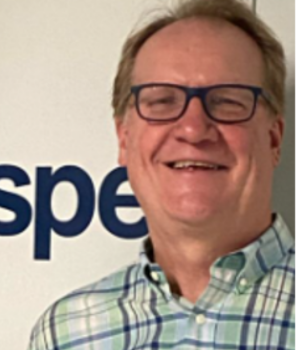
Aspen, led by Joint CEOs David Dixon and John Carter (pictured), has taken a blunt view of the housing crisis – “diabolical” – and built a business model to match. With over 6,500 dwellings and sites, its communities offer homes and land lease sites at price points well below median house prices and rent levels that sit under Commonwealth Rent Assistance caps.
Critically, Aspen’s returns aren’t a charity story. Development profits and returns on invested capital are sitting around 20%, driven by a low-cost pipeline and continual recycling of capital. For older renters and lower-income households, it’s providing genuinely affordable housing; for investors, it’s proving that affordability and performance don’t have to be polar opposites.
Integrated and small-home models

John Frame
Rewriting the rulebook on where aged care happens
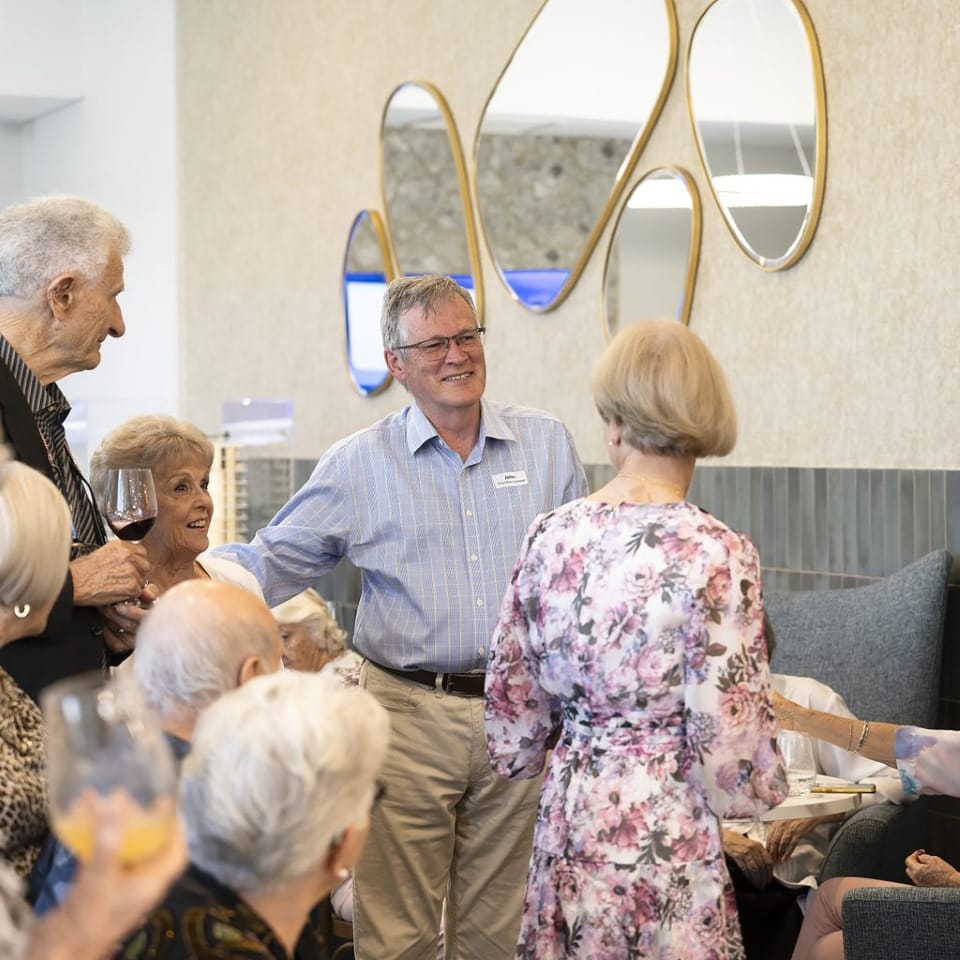 Located in a prestigious suburb of Perth,
Grandton Applecross
is the quiet regulatory revolution: 9C-compliant, strata-titled apartments where
26 units now operate legally as residential aged care beds managed by
Roshana Care Group
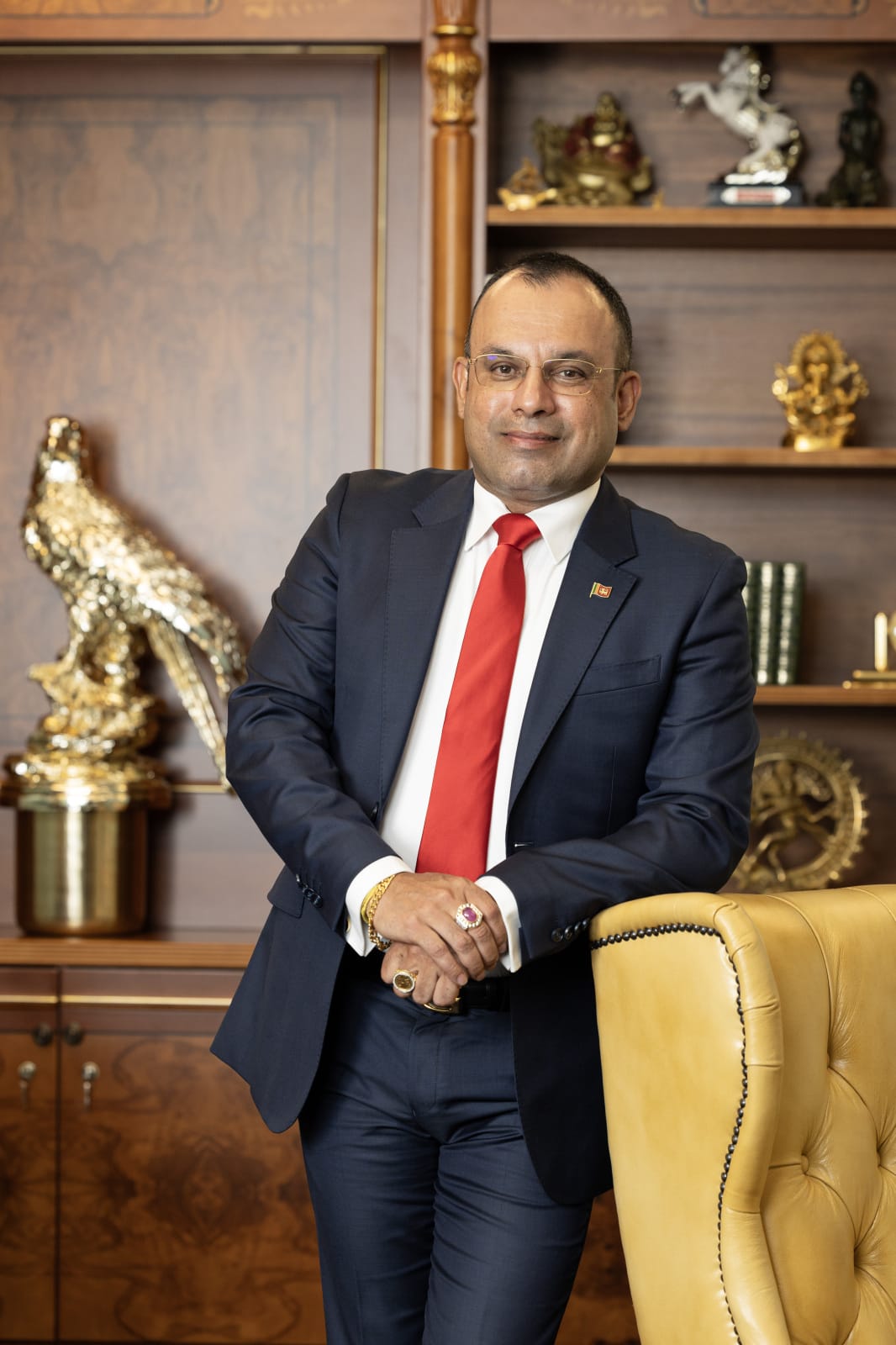
, led by CEO Dr Rosh Jalagge (pictured below) – inside what looks and feels like a retirement community.
Located in a prestigious suburb of Perth,
Grandton Applecross
is the quiet regulatory revolution: 9C-compliant, strata-titled apartments where
26 units now operate legally as residential aged care beds managed by
Roshana Care Group
, led by CEO Dr Rosh Jalagge (pictured below) – inside what looks and feels like a retirement community.
 Grandton founder John Frame (pictured above at the opening) spent months working with regulators
to prove that true residential aged care can be delivered in an apartment building without breaking
the intent of the Act.
Grandton founder John Frame (pictured above at the opening) spent months working with regulators
to prove that true residential aged care can be delivered in an apartment building without breaking
the intent of the Act.
The result is a precedent that breaks down the divide between villages and RACs and shows how future developments could build 9C standards into flexible, capital-light models that residents own outright.
NewDirection Care
MICRO TOWN® as mainstream
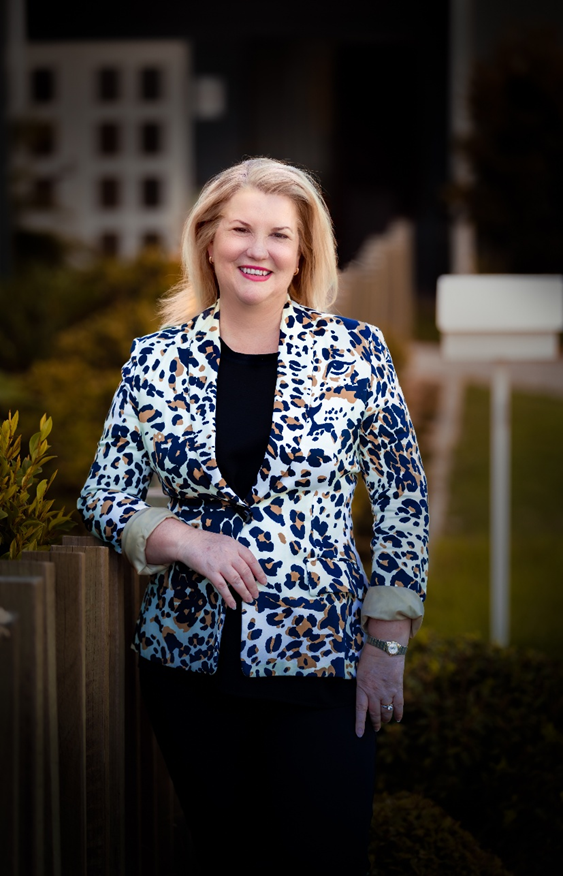
Natasha Chadwick’s (pictured) MICRO TOWN® model has long been considered a stand-alone success. Now, with Bellmere thriving, a Tasmanian redevelopment underway and plans for a vertical MICRO TOWN®, it’s looking more like a blueprint for others to follow.
NewDirection’s premise is simple: if you want people with dementia and complex needs to live well, give them real houses, real streets, familiar routines and staff who do life with them, not shifts around them.
By proving that traditional sites can be repurposed into MICRO TOWN® communities, Natasha is making harder for the sector to argue that institutional facilities are the only option.
Videri Australia (formerly Group Homes Australia)
Dementia care on your street
Videri’s model – six to 10 people living with dementia in an ordinary house, supported by “Homemakers” 24/7 – has quietly grown to 23 homes across Sydney, with more on the way.
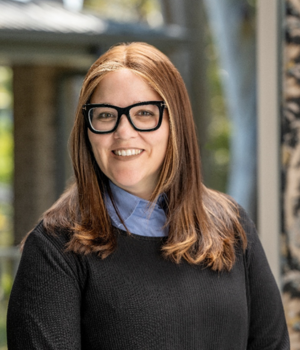
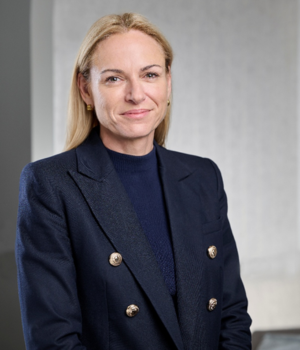
Founder Tamar Krebs and CEO Leah Gabolinscy (pictured) are now actively exploring partnerships to bring these households inside retirement villages.
Their value proposition is as much emotional as clinical: familiarity, routine, purpose and relationships, backed by professional support and funded through a mix of NDIS, Home Care Packages and private payments. With the group partnering with Retirement by Moran on its latest village at Narrabeen, Videri is setting the bar for what “doing dementia differently” can look like – and inviting villages to join them.
Regional “war machines”
Apollo Care
Saving the homes no one else can
We call Apollo Care a “war machine” for a reason. In seven years, it has grown to 13 homes – mostly regional – by taking on distressed Not For Profits and family-owned facilities and turning them around through a cloud-based virtual head office, real-time data and serious capital investment.
While others exit the bush, Apollo is adding beds and staff: new builds and refurbishments, worker housing, overseas recruitment and structures that keep brands, boards and community identity intact.
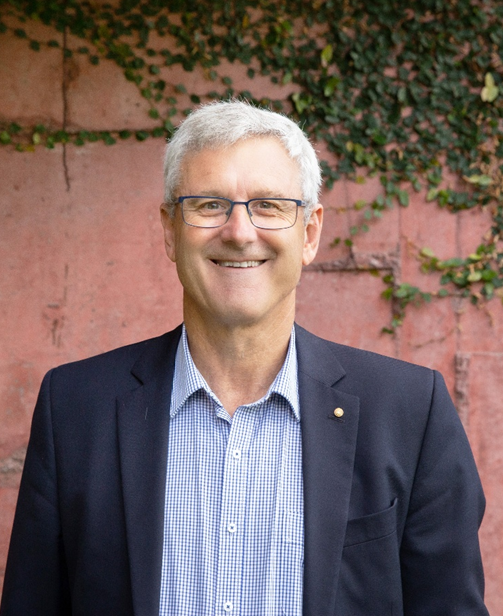
In a market where half of regional facilities lose money, CEO Stephen Becsi OAM (pictured) is proving that with the right operating model and capital, you can make regional aged care both sustainable and local.
The policy resetters
Natalie Siegel-Brown
Keeping the system “hot”
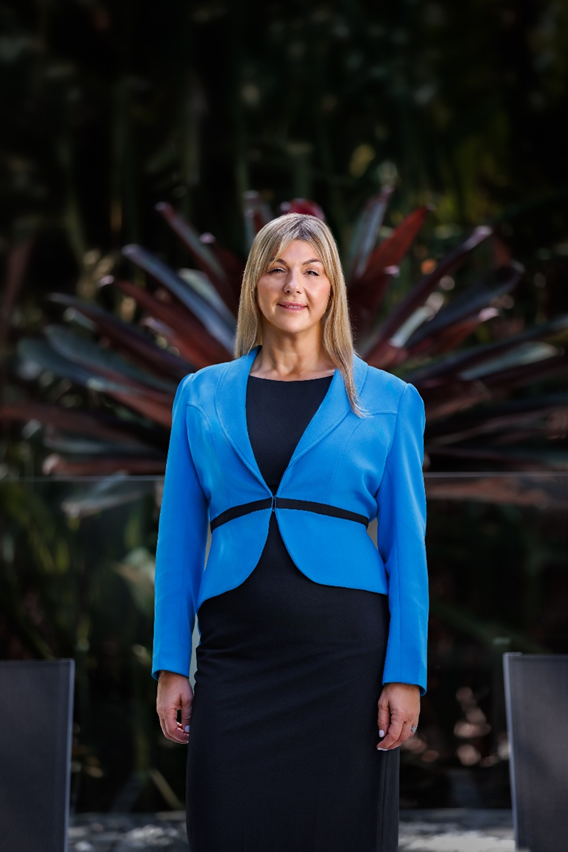
As Inspector-General of Aged Care, Natalie Siegel-Brown is the sector’s conscience. She supports the new Aged Care Act on paper – rights-based and person-centred – but is hard-nosed about the machinery it’s been bolted onto.
Her push is to reframe the debate: away from how many beds we can afford, and toward how many crises we can prevent. That means front-loading home care, repairing hospital-to-home pathways, investing in dental, hearing and dementia prevention, and taking seriously the idea of “deinstitutionalising” aged care through home care, villages and ordinary housing.
Her job description might be oversight, but her actual work is keeping the political and public conversation hot enough that Governments can’t quietly slip back to business as usual.
Ian Yates
Calling delay what it is
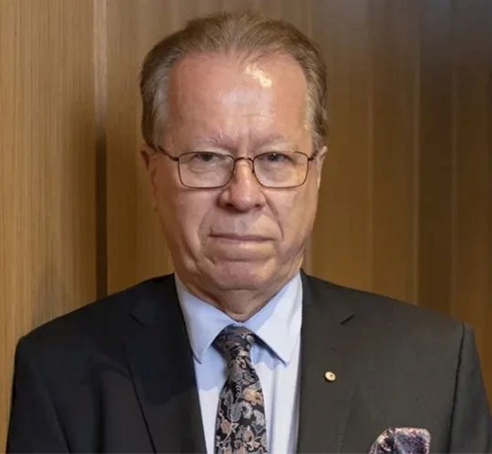
Former Acting Inspector-General Ian Yates AM (pictured) has become one of the clearest – and bluntest – voices on home care access, describing delayed Home Care Packages and long waits as a “calculated denial” of services. His data-driven warnings about record numbers waiting – or deteriorating while they wait – have caused waves in Senate inquiries and policy debates.
Now, as author of the National Aged Care Alliance paper Aged Care Reform: How Effective So Far?, Ian has delivered his verdict: reform is only half done. The machinery has been rebuilt, but the model has not been transformed.
Until Australia funds needs-based access, measures what matters, and backs sector-led transformation, he argues, preventable hospitalisations, premature residential admissions and avoidable deaths will remain part of the system.
The tech backbone
Leecare
The tech turning scarce staff into a stronger workforce
If culture keeps staff, technology frees their time – and that’s where Leecare is now indispensable.
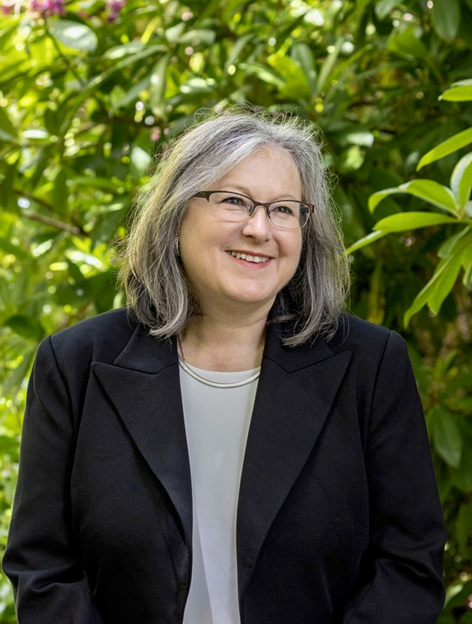
Founded by Dr Caroline Lee (pictured), the platform is built as a workforce multiplier: guiding inexperienced staff, automating reporting and supporting a diverse, multilingual workforce (its app suite now spans 80 languages).
Its acquisition of Tell Touch means resident, client and representative data now sync automatically across systems, cutting hours of manual admin. And as documentation demands surge under the new Aged Care Act, Leecare’s Platinum6 suite – with dashboards for rostering, credentialing, KPIs, medication and governance – is helping operators protect scarce clinical time.

Community apps
The quiet infrastructure powering modern care and village life
Community apps are quickly becoming the backbone of day-to-day care in the village – and three platforms are leading the shift.
Conpago turns the village into a single, easy app: events, maintenance, messaging, documents and support in one place across retirement, aged care, home care and NDIS. Residents get a simple interface; operators get workflows and traceability.
Pluss Communities is the operational glue for big portfolios, stitching together bookings, notices, activities and analytics across villages in Australia and New Zealand – and increasingly feeding performance data boards and managers can actually use.
hayylo sits underneath care delivery, connecting clients, families and admin teams by stripping out phone-tag and centralising requests and updates. As Support at Home lifts expectations on communication and transparency, platforms like these will define what “good service” looks like.

In-home tech
Sensor-driven insight at scale
From the kitchen bench to the back-end dashboard, in-home tech is becoming the nervous system of ageing in place.
INS LifeGuard is the original home and medical monitoring service favoured by consumers and retirement villages, with access to 24/7 nurses and options for telehealth, welfare checks, vitals monitoring and more.
Umps also brings mobile, always-on safety into the care ecosystem, offering automatic falls detection, GPS alerts and 24/7 monitoring without relying on Wi-Fi.
Behind the scenes, Talius and InteliCare turn sensor data into early warning systems – spotting changes in movement, sleep or routines so teams can intervene before a crisis.
eevi, meanwhile, is emerging as private aged care’s preferred safety net, evolving nurse call into a cloud platform spanning home care, assisted living, villages and RAC. Together, they’re redefining what “keeping an eye on someone” looks like – and proving it, in real time, to regulators and families.
The workforce disrupters
Five Good Friends
Data-driven, human-centred care
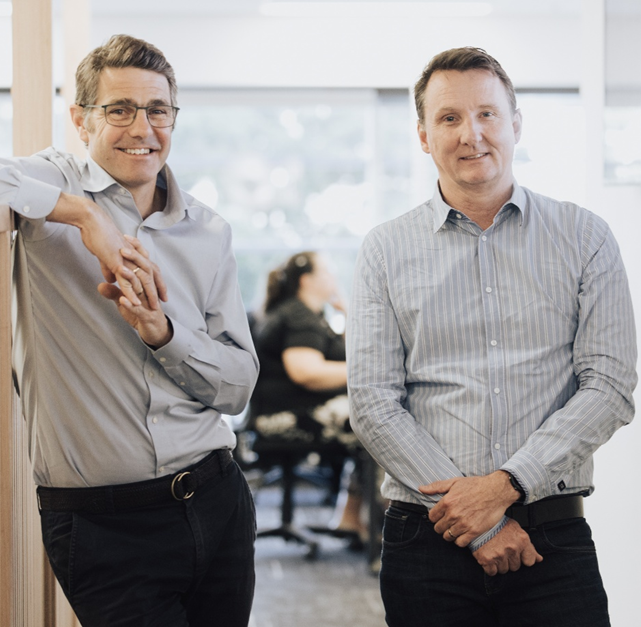
As we have reported, Five Good Friends was digital from day one. Founders Nathan Betteridge and Simon Lockyer (pictured) built their platform around granular data from every visit, using it to spot changes, prompt early intervention and keep families in the loop.
The result is a hybrid model – curated contractor and employee workforce, strong NPS scores, and a white-label platform (The Lookout Way) now powering dozens of other providers.
As workforce becomes a key restraint under Support at Home, Five Good Friends’ thesis – that smart tech can make care more human – could be a game-changer.
Mable
The labour market most providers now rely on
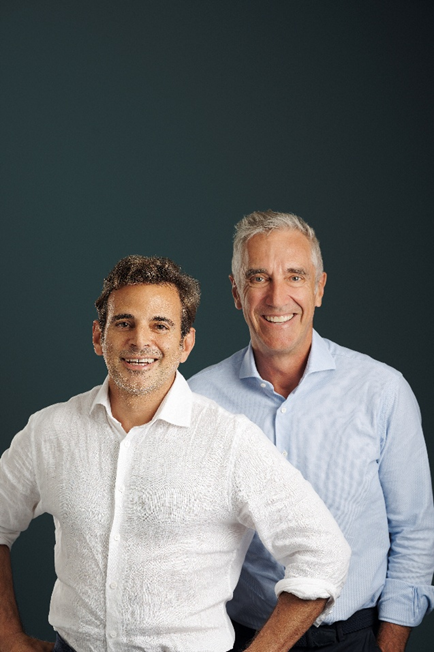
Mable – founded by Tony Charara and Peter Scutt (pictured) – has become one of the largest workforces in aged care and disability, delivering around 600,000 hours of support a month and partnering with more than 250 providers. Its benefits are clear: lower platform margins than traditional agencies, higher hourly rates for workers, and more flexible options for clients.
The next frontier is visibility and coordination. With a focus on making it easier for providers to orchestrate services across many independent workers, Mable is moving from a marketplace to workforce infrastructure – a critical piece in any realistic model of staffing Support at Home.

James Teodoro
Building the next generation of aged care leaders
For James Teodoro, the workforce crisis isn’t just about carers – it’s about the C-suite. DCM Group’s analysis shows, on average, one CEO exits the ageing sector every month, with departures accelerating through 2025.
As Executive Director of DCM Executive Recruitment, James is focused on providing long-term answers to the churn across the sector. DCM’s recruitment arm now spans retirement living, land lease and aged care, matching providers with CEOs, facility managers and senior clinicians – and then backing them with progression planning, remuneration advice and board-level insight.
Linking search with the LEADERS SUMMIT and DCM Institute, James is building what the sector hasn’t had: a deliberate pipeline for its next generation of leaders.
Why this list matters
None of these providers alone will “fix” aged care and retirement living. But together, they point to where the next decade is heading: home-first health, private aged care engines, rental alternatives, small-home dementia care, integrated village-plus-care models, prevention-driven policy and technology that underpins it all.
In short, a system built around how older Australians want to live – not the institutions we happened to inherit.

Lauren Broomham
Group Editor, DCM Group
Lauren Broomham is a journalist and Group Editor for the DCM Group, Australia’s leading media company specialising in the ageing sector. Lauren travelled around the country with the Royal Commission into Aged Care, sharing insights and analysis through The Daily COMMISSION newsletter. She works across DCM’s range of titles including The Weekly SOURCE and its fortnightly digital magazine for senior executives SATURDAY.
Chris Baynes
Founder and CEO, DCM Group
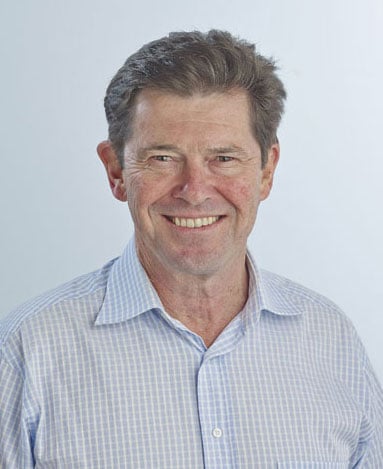
Chris established the DCM Group in 2006, developing The Weekly SOURCE and SATURDAY, sector-leading research, events and through the DCM Institute, professional development. During this time, Chris has become a regular writer, speaker, radio commentator and opinion leader on retirement living, aged care and home care.

James Wiltshire
Executive Director, DCM Institute
With over 20 years of experience in the seniors living sector, James has led operations for both large and small operators. Today, he leads the DCM Group’s professional development program for village professionals, the DCM Institute and also writes regularly for its newsletter FRIDAY and The Weekly SOURCE.
Ian Horswill
Content Editor, DCM Group
Ian is a journalist and Content Editor with The DCM Group, specialising in the retirement living and land lease sectors. He writes for a range of the DCM Group’s publications including The Weekly SOURCE, AgedCare101, villages.com.au and the DCM Institute fortnightly newsletter FRIDAY.

Caroline Egan
Journalist, DCM Group
Caroline is a journalist with The DCM Group, with a focus on the aged care and home care sectors. She has a wealth of experience writing within the ageing space.


