
The last move: why every village is about to become a care home
For decades, villages promised independence. Within five years, they’ll be selling certainty – because residents aren’t leaving, and operators can’t ignore it. For years, retirement villages sold lifestyle: a pool, a clubhouse, maybe a bus...


For decades, villages promised independence. Within five years, they’ll be selling certainty – because residents aren’t leaving, and operators can’t ignore it.
For years, retirement villages sold lifestyle: a pool, a clubhouse, maybe a bus. That is not what customers want anymore.
The next five years will redefine the sector. Villages won’t just be lifestyle communities – they’ll be private aged care hubs. That was the blunt consensus from the DCM Group’s ‘Ask the Visionaries’ breakfasts across Brisbane, Sydney and Melbourne which wrapped up this week, featuring:
- Aaron Lavell, CEO of Odyssey Lifestyle Care Communities
- Byron Cannon, CEO of LDK Senior’s Living
- Simon Miller, CEO of Anglicare
- Caroline Lee, Founder and CEO of Leecare
- David Waldie, Founder and Managing Director of eevi
And the timeline is not a decade. It is five years.
The demand wave is here
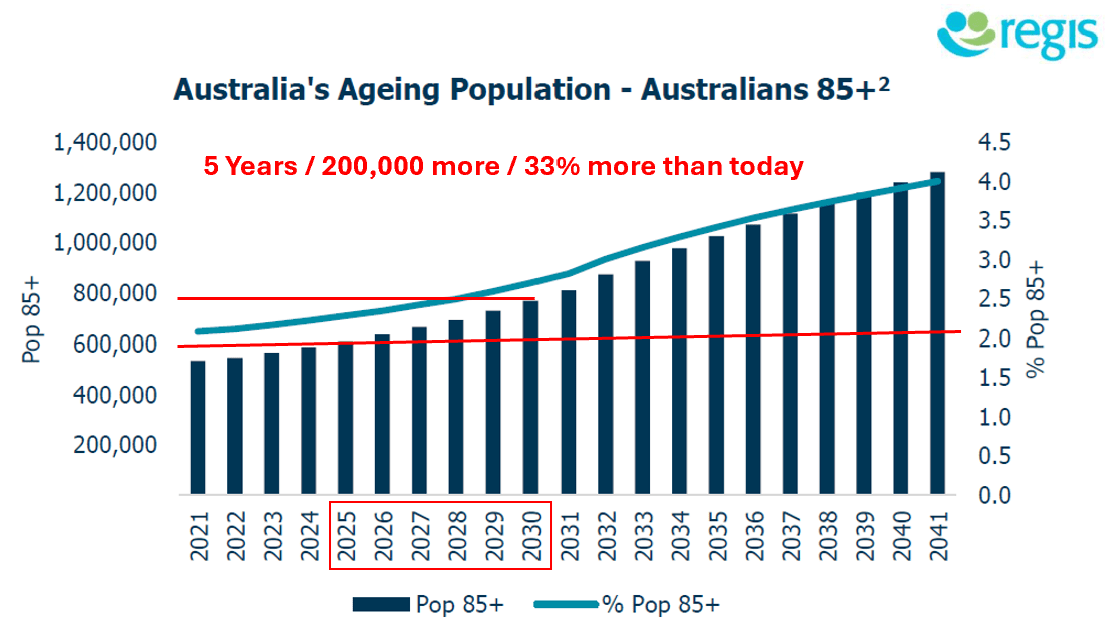
Australia is ageing faster than it can build. By 2030, the 85-plus cohort will explode while residential aged care beds contract and the workforce shrinks. That gap – 33% more people for roughly the same number of places and staff – creates only one outcome: queues.
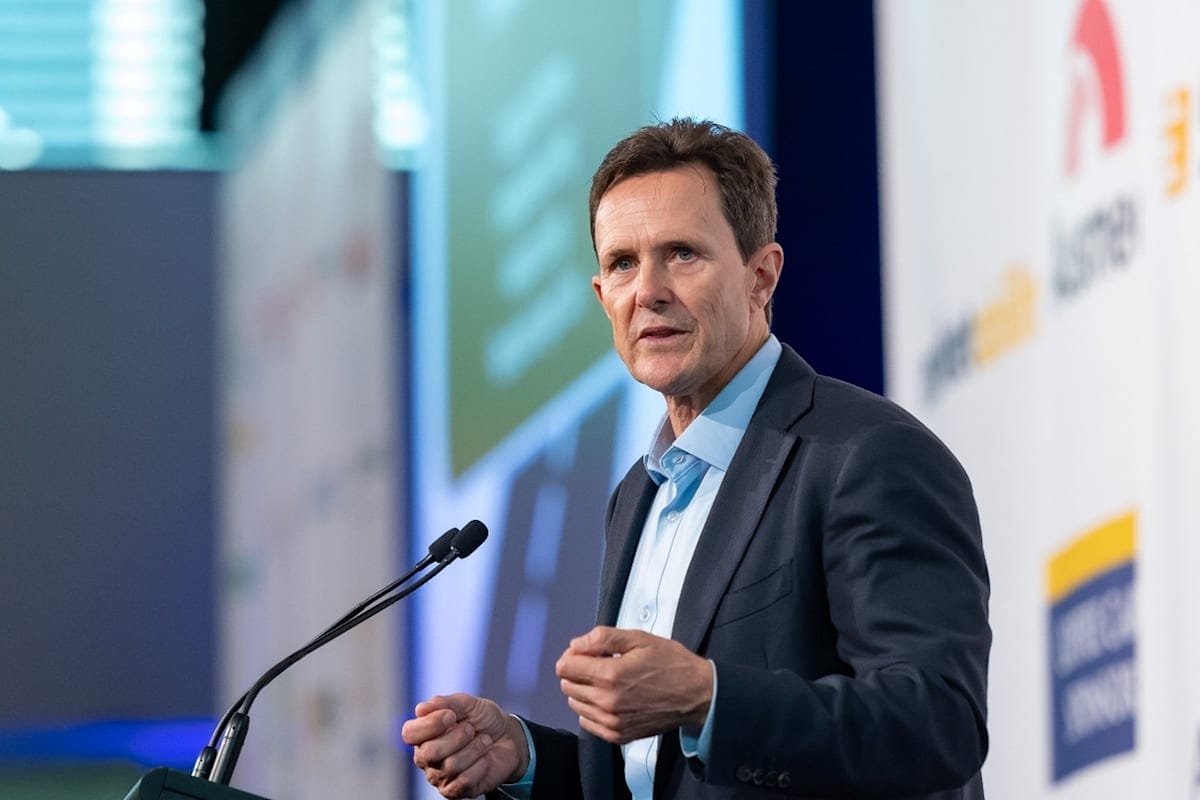
DCM Group CEO Chris Baynes put it bluntly: “If you can’t get a Package and you can’t get a bed; you will get a retirement village unit – and you won’t leave.”
Villages will become the safe harbour. Not because operators choose it – but because customers demand it.
Don’t wait for Canberra
In the video below shown to the audience, StewartBrown Senior Partner Grant Corderoy delivered the blunt warning to operators: “Don’t wait for Government – be courageous.”
The guru of aged care: retirement living’s future is private aged care
As we report in this issue, the retirement village winners will build for care from day one. That means 9C standards, wide corridors, lifts and clustered hubs. And it means new financial models – moving from back-ended DMFs to upfront models and memberships that fund staff, technology and hospitality now, not later.
The message is clear: reform won’t save you. Customers will.
Customers want care, not clubs
Speaking at the LEADERS SUMMIT earlier this year, Ansell Strategic’s Cam Ansell labelled it consumer physics. Baby Boomers built the culture of choice – and they won’t move into anything that feels like an institution.
If villages can offer “for life” care at home, they’ll capture demand from both ends:
- People locked out of community home care; and
- People looking for an alternative to residential aged care.
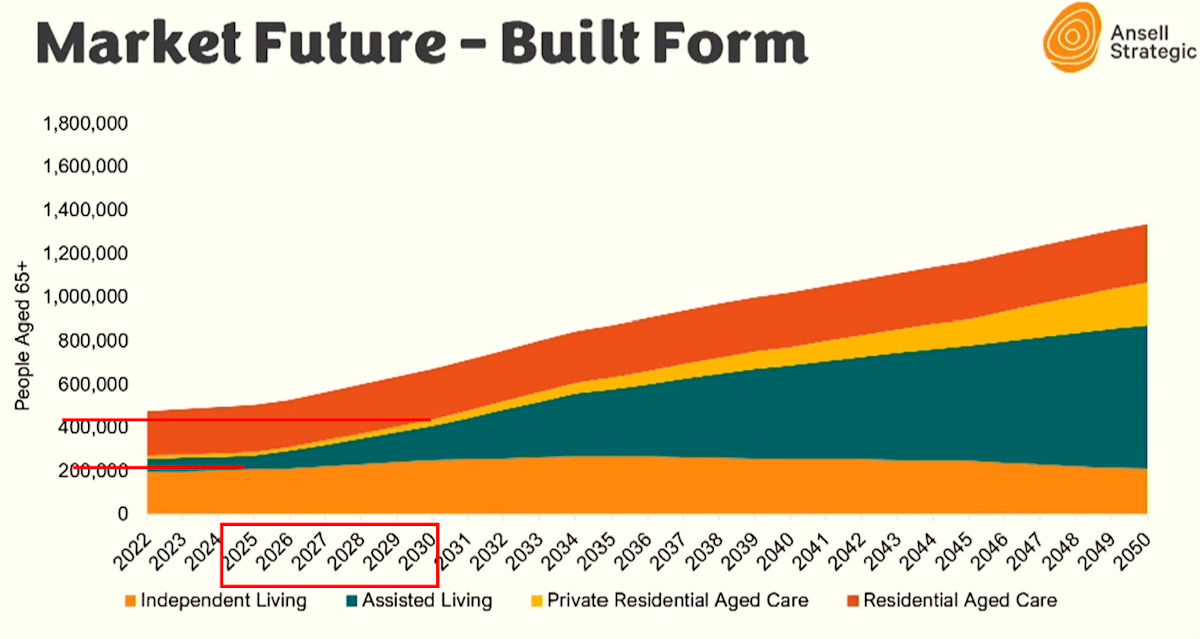
Ansell’s modelling shows independent living-only villages stagnating while private aged care and assisted living surges over the next five years – see above. Residential aged care won’t vanish – but it will concentrate on the most acute. Everything else migrates into villages.
What is private aged care?
Private aged care sits outside the Aged Care Act. Unlike government-funded residential aged care, operators set their own fees for accommodation, services, and care – often through refundable deposits or bundled packages. The model targets people who have the means to self-fund and want more choice, flexibility, and certainty. In reality, it blurs the line between premium retirement living and aged care, offering 24/7 support without the red tape of traditional residential facilities.
The five-year clock
Why five years?
Consumers are already there: villages are housing Level 3 and 4 Package residents who won’t move again.
Capital is shifting: upfront membership models lift values and speed, underwriting services that sustain them.
Regulation is tightening: states are restricting exit powers where home care can support village residents in situ. Operators will end up delivering care whether they like it or not.
Add it up, and the path of least resistance is care.
What operators must do now
Chris framed the decision simply: “Are we facilitating care – or delivering it?”
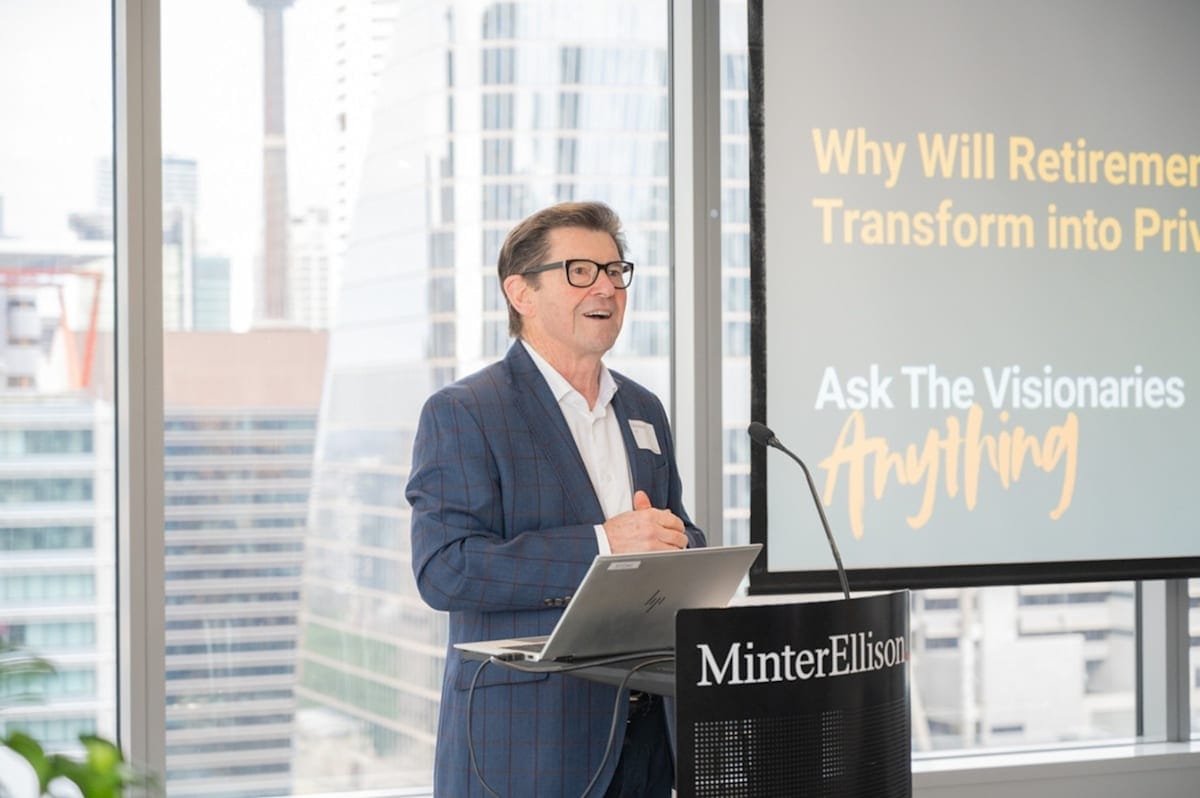
Within five years, facilitating will look like delivering – only with less control, less certainty and less value.
The opportunity is human as well as commercial. Villages that promise home, not hospital – and back it with systems and certainty – will become the default destination for older Australians who can’t wait for a Package or a bed.
Five years is not a warning. It’s a window. And it is already open.


