
‘Village locked’ residents challenge future of Independent Living


Retirement villages were built on a simple premise, independent living. How times have changed with residents now becoming “village locked”.
Not because they want to leave. Quite the opposite. They want to stay and be supported longer in their retirement village home.
Consider the data. According to the PwC Retirement Living Census, the average age of entry into retirement villages has remained consistent since 2015 at 75 years, while the average resident age remains around 81.
At the same time, the average length of stay has increased from seven years to around nine years.
Residents are staying longer.
Consider this: 81 is also the average age that Australians begin receiving Support at Home.
What does this mean?
An increasing share of residents have moved from independent to dependent – receiving formal care while remaining in their village homes. And operators are already seeing this shift with providers quoting how they are delivering Support at Home services to 29-32% of their residents. They will even make a point of acknowledging some residents receive care from external providers.
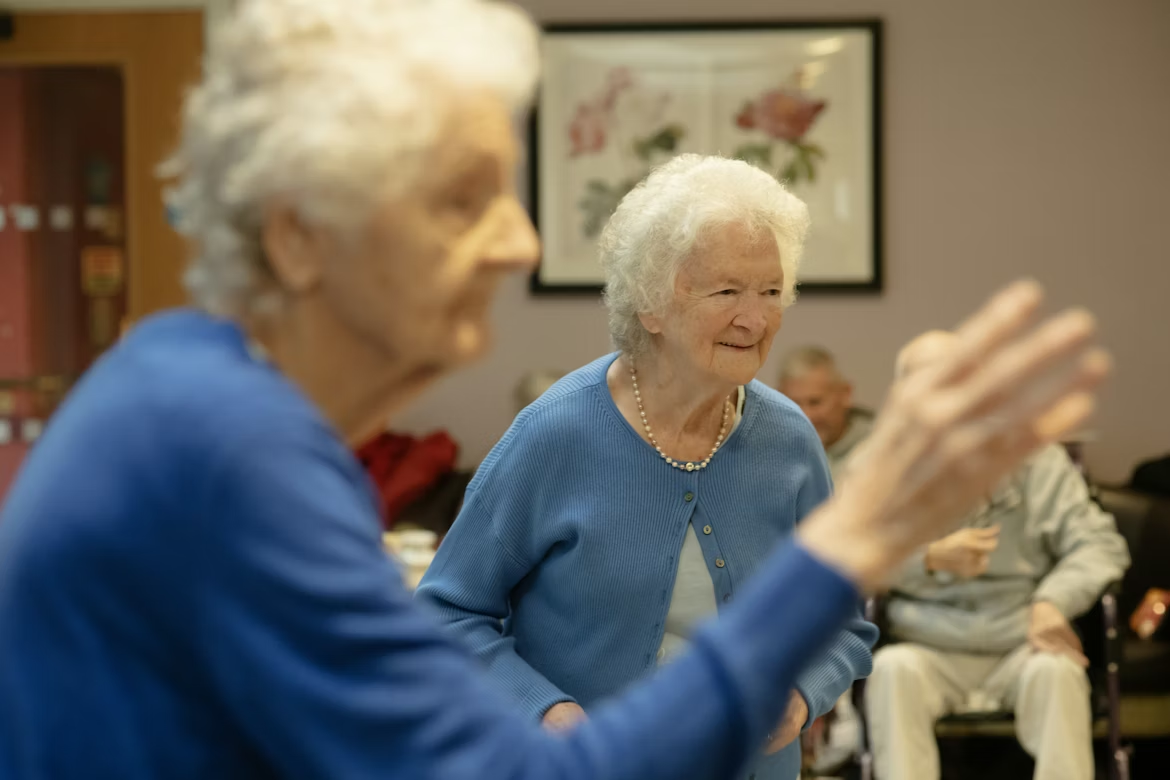
That is one-third of residents receiving care. Now, scale that nationally.
Australia has around 250,000 retirement village residents. If one-third are receiving Support at Home, roughly 83,000 residents are already receiving care inside their village homes.
At an average Package value of $30,000, that represents a $2.6 billion care economy operating within retirement villages. And it is likely to grow.
If penetration rises to 50% of residents, around 125,000 people would be receiving care within retirement villages, creating a $3.75 billion care economy inside the sector.
But the numbers only tell half the story – the opportunity. The other side is the impact on sales velocity.
Across the country, operators report villages running at occupancy levels greater than 95%. By all accounts, the sector is structurally full, with demand exceeding supply.
For many, the traditional pathway from retirement living into residential aged care simply is not available. Aged care is full. So, they stay and receive informal care from partners and neighbours, which will eventually become a formal service delivered in their village home.
Residents become, in effect, ‘village locked’ within the continuum of care – creating a tension for operators with their internal financial models.
From independent to dependent living
The retirement village financial model has long assumed residents stay around seven years. Resales bring a realisation of deferred management fees and with the higher purchase price, the additional realisation of capital gain. These numbers feed the valuations and cash flow models that have become attractive to investors these past few years.
If we accept residents are becoming ‘village locked’ – staying longer and requiring care – these assumptions start to be challenged. The seven-year cycle becomes nine years. Resale rates slow. The commercial reality is that sales targets do not.
The operators who have seen the change in residents’ needs with regards to care, have accepted their resident journey is longer. It is a journey from independence to dependence and then to full support.
Having residents ‘village locked’ isn’t a negative. There is a commercial opportunity – its value is $2.6 to $3.7 billion.
The question to operators is: can they capitalise on this opportunity to offset the flow on effect of residents staying longer to their internal financial models?


