
Whiddon's collaborative aged care pilots edge forward


After more than a year of planning, consultation and stakeholder engagement, Whiddon’s Collaborative Health Care (CHC) initiative is approaching its next phase: live trials.
The provider-led program brings together aged care operators, NSW Health, Local Health Districts and community partners to test practical ways of working more closely across health and aged care systems.
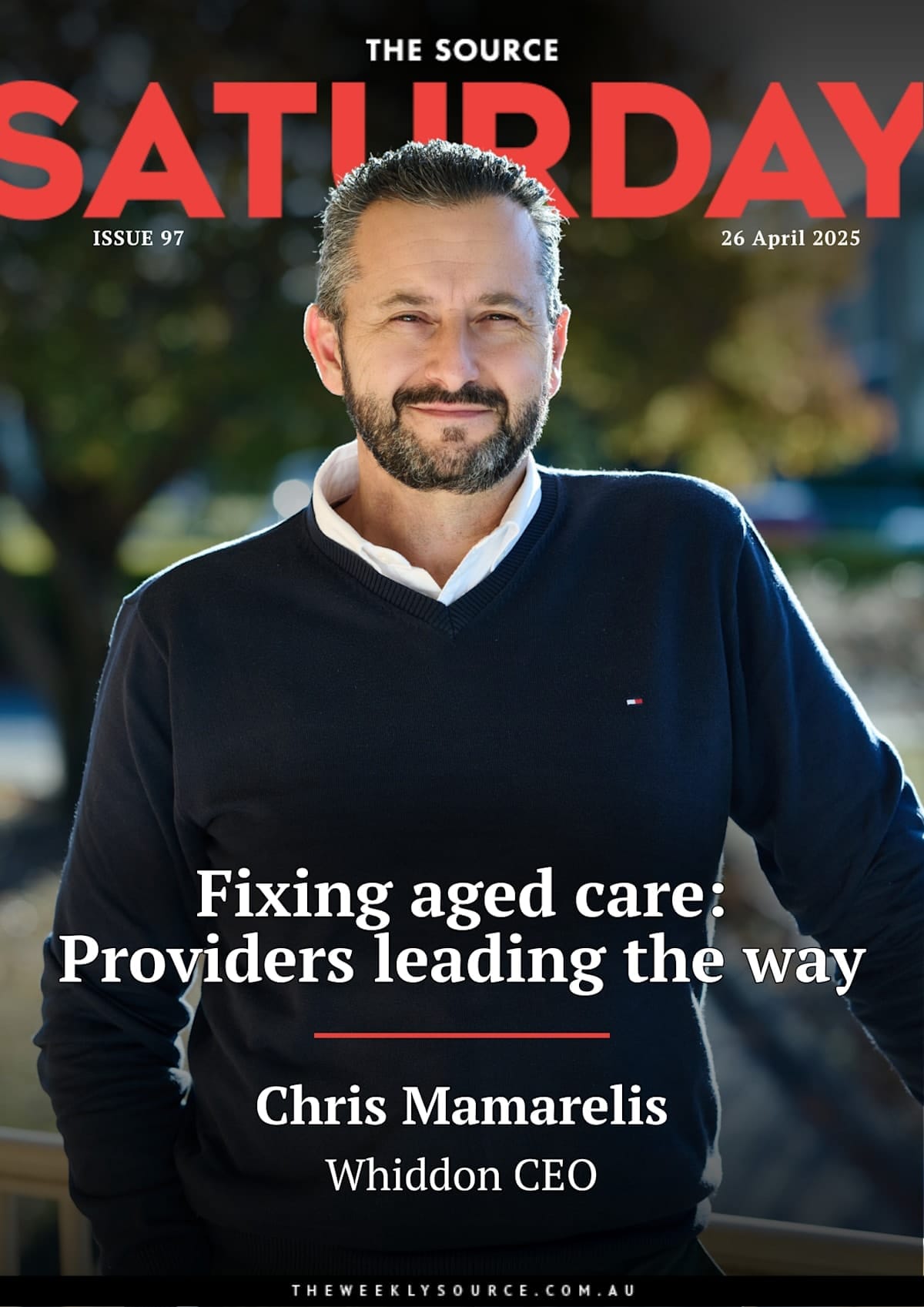
Whiddon CEO Chris Mamarelis says the process has taken longer than he initially expected but the groundwork has been essential.
“I probably would have liked to have seen pilot projects running about six months ago,” Chris told The SOURCE.
“But the time we’ve spent building relationships with stakeholders, co-designing projects and navigating multiple organisations has been necessary. Now we’re getting very close to going live.”
The initiative is designed to test collaborative solutions to some of the sector’s most persistent challenges including:
- hospital discharge delays;
- transport access;
- procurement costs; and
- emergency planning in regional communities.
Moving from design to delivery
Several pilot programs are now nearing readiness.
The Shared Lifestyle and Wellbeing trial will see long-stay hospital patients participate in lifestyle and wellbeing programs at nearby aged care homes, helping maintain physical and cognitive wellbeing while strengthening relationships between hospital and aged care teams.
Planning is complete, with risk frameworks, evaluation measures and governance arrangements in place. The University of Sydney will evaluate outcomes, with the trial expected to begin in coming months.
Another pilot, focused on Shared Transport, is mapping existing transport assets across regional communities to identify gaps and coordinate services across providers, Local Health Districts and community agencies.
“We’ve designed a program that will work,” Chris said. “Now we’re just narrowing down the locations where we’ll start the pilot.”
Procurement and step-down care
The CHC program is also exploring joint procurement across health and aged care providers.
Early analysis suggests shared purchasing for items such as consumables and food services could generate considerable savings for smaller regional operators.
“The procurement work has shown there are potentially significant savings that could be shared across the sector,” Chris said.
Perhaps the most ambitious project is the Agile Transitional Care Model, which aims to repurpose available aged care rooms as short-term step-down beds for hospital patients who no longer require acute care – a key project with over 3,000 older Australians stranded in hospital beds across the country.
Chris believes technology that can identify vacant aged care beds in real time could be a key enabler.
“We’ve identified systems that can show where beds are available across a region,” he said.
“That kind of visibility is a big part of solving the problem.”
Collaboration takes patience
While the pilots are now nearing launch, Chris says the biggest lesson so far has been the importance of bringing stakeholders together early.
“It has been challenging at times because there are a lot of organisations involved, all with different priorities,” he said.
“But there’s also been a strong willingness to collaborate and find solutions.”
A broader governance framework for the initiative has been drafted by the Nous Group but deliberately paused until lessons from the pilots can inform its final design.
Looking ahead
Chris hopes several trials will be running during 2026, generating evidence about what works – and what does not.
“Not everything will succeed,” he said.
“But if some of these pilots deliver real outcomes for communities and the health system, the next step will be looking at how they can be scaled.”


