
The dementia challenge villages can’t ignore


A retirement village in South Australia is trialling a new model that could reshape how the sector responds to rising dementia.
Woodbridge Retirement Village has partnered with HammondCare to introduce an on-site dementia consultant, as part of an Australia-first initiative aimed at supporting residents to remain independent for longer.
The ‘Living Well’ program combines specialist clinical support with practical, day-to-day interventions – from brain health sessions and carer support groups to access to medical expertise – delivered within the village environment.
Responding to a growing reality
At Woodbridge, around 70 of its 285 residents – nearly a quarter – are believed to be living with dementia or cognitive impairment.
The initiative was prompted by rising demand within the village, with the village’s lifestyle coordinator becoming “overwhelmed” by the number of residents living with dementia and the need to support them.
Chief Executive Officer Paul Thorne said the shift is becoming more visible across retirement living.
“Dementia is becoming increasingly common, particularly as our population ages, including within retirement villages,” he said.
“Our goal is to create a village environment where everyone feels valued, supported and safe – regardless of their health status.”
A gap in the model
Nationally, HammondCare estimates that around 10% of the 260,000 people living in retirement villages have diagnosed or undiagnosed dementia.
Yet formal care services are often limited, leaving village residents – particularly those living alone – with few structured support options.
HammondCare GM Growth Innovation & Innovation National Programs, Marie Alford, said this cohort has historically fallen through the gaps.
“This is about putting positive initiatives in place to help residents living with dementia stay independent as long as possible, avoid unnecessary hospital admission and delay entry into aged care,” she said.
Inside the model
The Woodbridge trial centres on an embedded dementia consultant – Liz Johnston – who is supported by a broader program of activities and services.
These include education sessions such as the Healthy Brain Hub, carer support groups, arts-based therapy programs and monthly clinics with specialists including aged care psychiatrist Dr Duncan McKellar.
Where needed, residents and families are also supported to navigate external health and care services.
Early engagement has been strong, with around 70 residents attending the first Brain Health and Wellbeing session.
Long-term resident Ken Bartel, whose wife Bessie is experiencing early dementia symptoms, said the couple were seeking practical support.
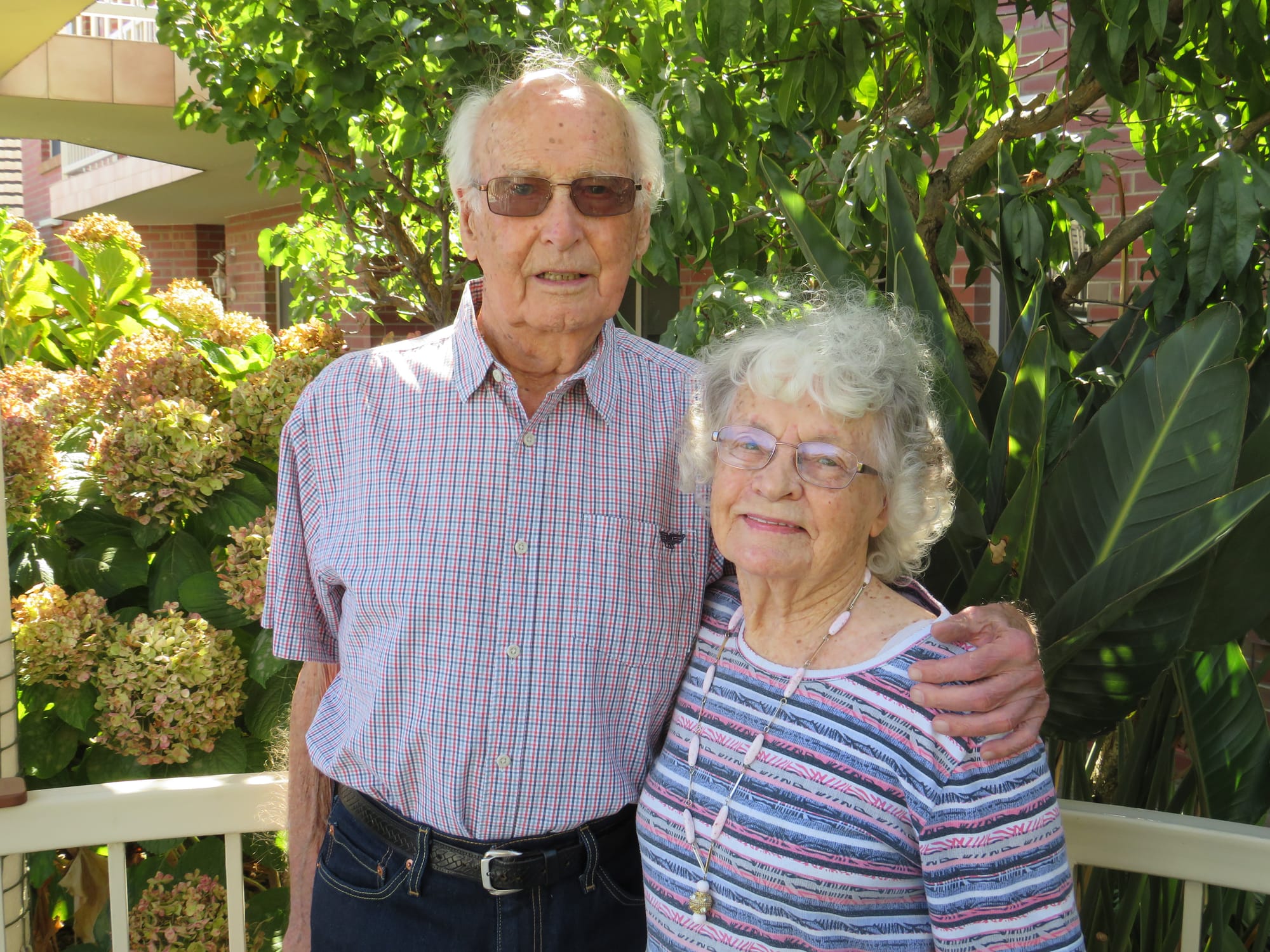
“What we are looking to most of all is some practical help on how to slow down Bessie’s symptoms,” he said.
Who pays – and what comes next
For village operators, the question of funding dementia support is not only clinical – but commercial.
We estimate the cost of a specialist dementia consultant at around $140,000 – and there is no single answer on how that cost is managed.
Some providers will choose to ‘wear’ the cost as part of their service back to residents, while others will build it into annual service charges.
Either way, the Woodbridge model highlights what is coming. Demand is rising – and villages will need to decide how they respond.


