
Aged care has $40 billion. Are we using it properly?


When former Deputy Chief Medical Officer Nick Coatsworth spoke this week about his family’s struggle to keep his mother out of hospital, it cut through.
See the video below.
After six months of waiting, only part of her home care funding had come through – just a few hours of support. It is a situation playing out in homes across the country.
His conclusion was direct: aged care needs more funding, and some of it should come from elsewhere in the system, including the NDIS.
It is a timely question in the lead-up to the May Federal Budget – but it may not be the right one.
The $40 billion question
Aged care is not a system waiting for funding – it is already a $40 billion system.
At last week’s LEADERS SUMMIT, Inspector-General of Aged Care Natalie Siegel-Brown challenged the sector to look more closely at what that funding is actually delivering.
“I think there are mechanisms in place that mean we are wasting budget at the cost of people’s human rights,” she told the room.
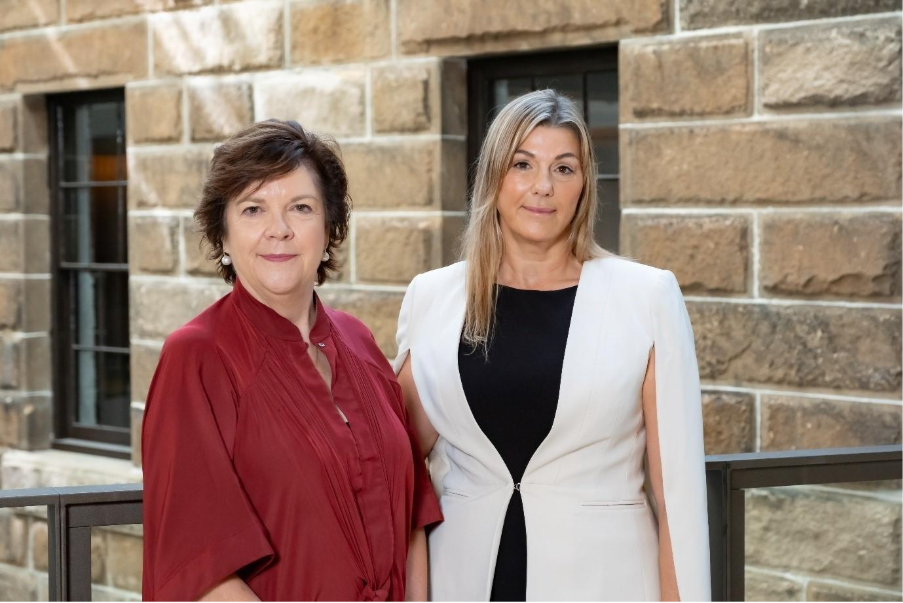
Her focus is not on providers, but on Government – how funding is designed, allocated and used. After 12 months in the role, she is now directing part of her Office’s budget into a detailed economic analysis of exactly that.
The message is clear: before asking for more money, the sector needs to understand how effectively the current system is using what it already has.
More money, same system
That challenge goes to the centre of the current debate.
Even if additional funding is delivered – and there may be some cash in the Budget – it will land in a system that is already struggling to convert funding into access. Residential care is effectively full, hospitals are absorbing the overflow, and home care remains constrained.
The issue is not simply how much money is in the system – it is how the system uses it.
The 20% opportunity
At DCM Group, our Plan T discussions with operators on the ground suggests that aged care can sensibly improve productivity by 20% and unlock around $8 billion a year – or roughly $22 million a day.
If that is split 50/50 between home and residential aged care, $4 billion is enough to fund more than 133,000 additional Support at Home packages (at an average of $30,000 per year), effectively eliminating the national waitlist.
And $4 billion directed into residential care equates to around $55 per resident per day or $20,000 – the level that StewartBrown argues is needed to restore investability.
This is the basis behind Plan T – a push to drive system-wide efficiency, redesign and productivity.
Because without that transformation, more funding alone will not fix the problem.
What happens next
As the Budget approaches, the pressure that we have seen placed on the Government will continue to build – and rightly so.
But unless the question changes – from how much more is needed to how effectively the system is using what it already has – the result is unlikely to change.
Coatsworth is right to ask where the money should come from.
The more important question is what we are doing with the $40 billion already on the table.
For a deeper look at what this means in practice – including the growing divide between those who can access care and those who cannot – see this week’s LEADERS SUMMIT edition of SATURDAY. Not a subscriber? Click here.


