
As Paul Hogan might say, ‘this is a retirement living tower’, at 41 storeys


In Crocodile Dundee, Paul Hogan was comparing the size of knives.
This week property developer Freecity and Anglicare announced a proposed 41-level retirement living and care project, 33% taller than Levande’s village The Cambridge.
Retirement living is going up all over the country.
Here is the bigger thing. The project was originally approved for a 41-storey residential apartment tower. It has now been reimagined as a seniors living community.
Has retirement living quietly become a more compelling development option to residential?
It wasn't that long ago that most developers would have laughed at the suggestion.
Residential apartments were where the money was. Retirement villages were a specialist asset class, competing for a niche buyer and often carrying the stigma of being a "last move".
Today, the market is different. Wellness and care is delivering a bigger value proposition and bigger dollars from Baby Boomers.
Are they beginning to understand that care may not be available. Or simply that they don’t want to end up in residential aged care? Or both?
Residential developers are navigating a softer property market, tighter finance and uncertainty with the investor-buyer becoming more cautious.
Meanwhile, retirement living appears to be enjoying a very different set of fundamentals.
The typical customer isn't trying to scrape together a deposit or secure finance. They're selling a family home, often mortgage-free, and arriving with significant equity. They're buying somewhere to live, not somewhere to invest.
Purchasers are less exposed to interest rate movements, lending policy or investor sentiment because many are funding the purchase from the sale of an existing home.
Better still, they're not simply buying an apartment.
Operators like Anglicare are now selling something much broader. Its "For Life" model, adapted from the path forged by LDK, offers the promise of community, wellness, support and care as needs change. It's a value proposition that seems to resonate with a generation determined never to experience the aged care journey their parents endured.
And increasingly the apartment is only the beginning of the customer relationship. Home care, hospitality, wellness and, ultimately, residential aged care create multiple revenue streams that traditional apartment developers simply don't have. The customer lifetime value is greater than a one-off sale.
CAPs (community apartment projects) are springing up at an increasing rate. They are strata developments with an ongoing care concierge package tied in. Platino in Sydney is adding 20 care suites to its Frenchs Forest strata development.
We've also seen another assumption quietly challenged.
For years, conventional wisdom suggested retirees didn't want to live in high-rise buildings.
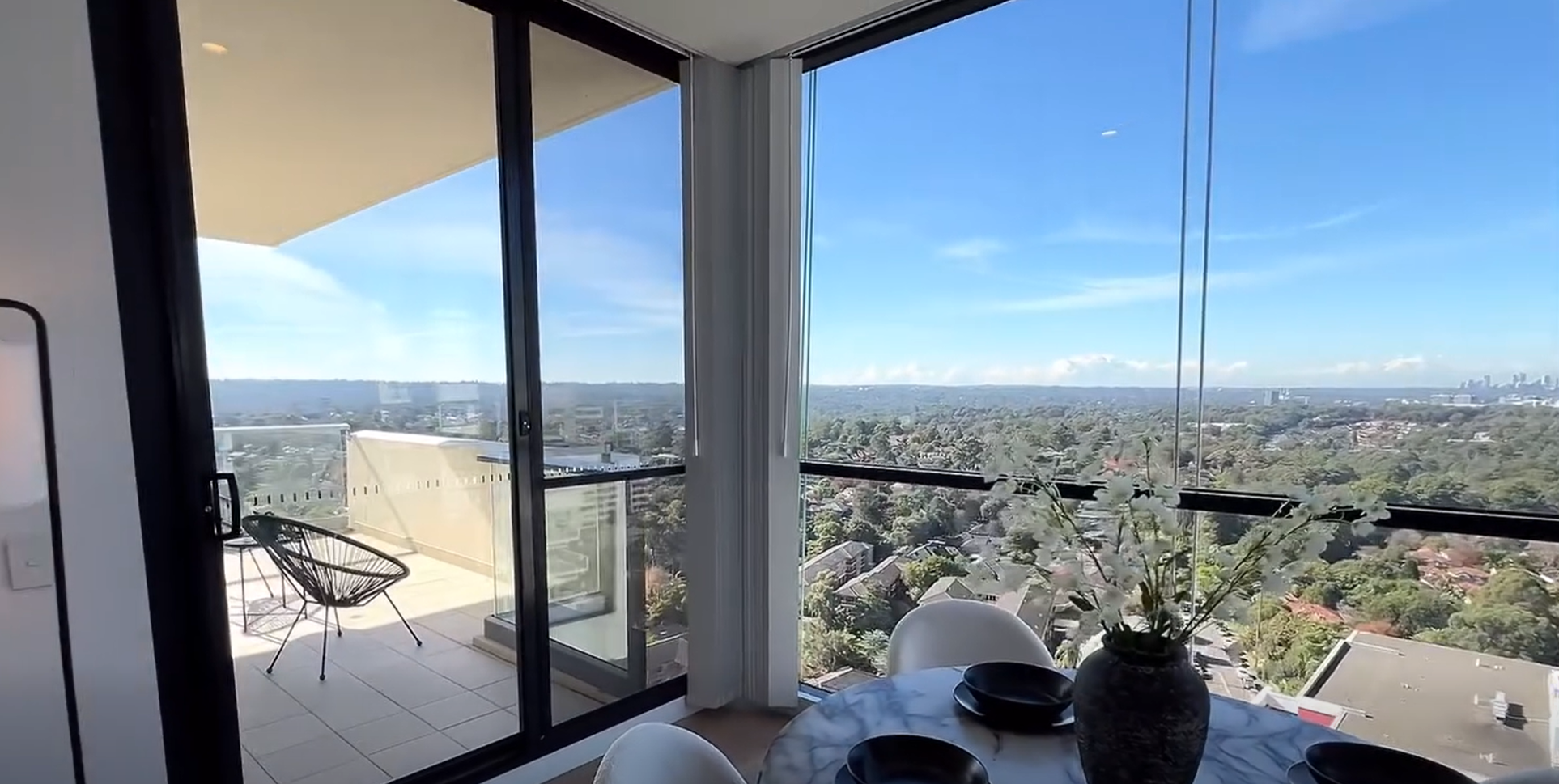
Tell that to Hyegrove Willoughby. Or Grandton Applecross. Or Levande's Epping development.
Premium vertical retirement communities are proving that, when the product is exceptional, Baby Boomers are more than willing to swap the quarter-acre block for lifestyle, amenity and certainty. As we've previously reported, Hyegrove has even achieved residential-equivalent rates per square metre.
None of this proves that seniors living is replacing residential apartments.
But, if you owned a prime development site today, would you still automatically build residential apartments?
Or would you rather build for the wealthiest demographic in Australia? One arriving with equity, seeking certainty and willing to pay for a community designed around ageing well.
If more residential developers start asking the same question, we may look back on projects like this as the moment retirement living stopped being an alternative property class.
It simply became the better development proposition.


