
Aged care’s new choking focus


- X-ray investment: Every texture modified meal is now scanned before leaving production
- Heightened scrutiny: Choking prevention and food safety are growing focus in aged care
- Preventable deaths: Choking is the second leading cause of preventable deaths
- Extra assurance: Every tray is checked for foreign materials with full traceability
Recent coronial findings and strengthened Quality Standards are prompting fresh investment in technologies designed to make aged care meals even safer.
The Pure Food Co has invested in X-ray inspection technology to scan every texture modified meal before it leaves its manufacturing facility, providing an additional safeguard against foreign materials such as bone fragments, glass, metal, stone and grit.
The nutrition technology company, which supplies texture modified meals to more than 600 aged care homes across Australia, said the six-figure investment comes as providers face heightened scrutiny under the strengthened Aged Care Quality Standards introduced through the new Aged Care Act.
Coronial findings sharpen focus
Choking is the second most common cause of preventable death in residential aged care in Australia, with recent coronial findings placing renewed focus on food safety and dysphagia management.
The NSW Coroner recently recommended stronger choking risk training for aged care kitchen and nursing staff and further consideration of elements of the International Dysphagia Diet Standardisation Initiative (IDDSI) framework after examining the deaths of two residents who choked after consuming food inconsistent with their prescribed texture modified diets.
The Pure Food Co Australian Director Chris Deed said the investment reflected the sector’s growing focus on food safety and resident protection.
“Food safety has always been an absolute non-negotiable for us, and this provides an extra layer of assurance for operators who are now really under the microscope,” he stated.
“Recent coronial findings into aged care choking deaths, growing awareness of dysphagia, and the beefed-up quality standards have all reinforced the importance of robust food safety systems.”

An extra layer of protection
Unlike traditional quality assurance processes that rely on sample testing, every finished meal tray is scanned before leaving The Pure Food Co’s manufacturing facility. According to the company, the technology can detect hard foreign materials as small as the tip of a pen while also supporting product integrity checks and full batch traceability.
Chris said the additional verification would provide aged care providers with greater confidence when demonstrating their food safety processes to auditors.
“This is not sample testing. It is a comprehensive inspection process designed to identify hard foreign materials that may have bypassed earlier controls,” he stressed.
“When providers serving our meals are asked by auditors to show evidence they’re safe, they’ll be able to respond with absolute confidence.”
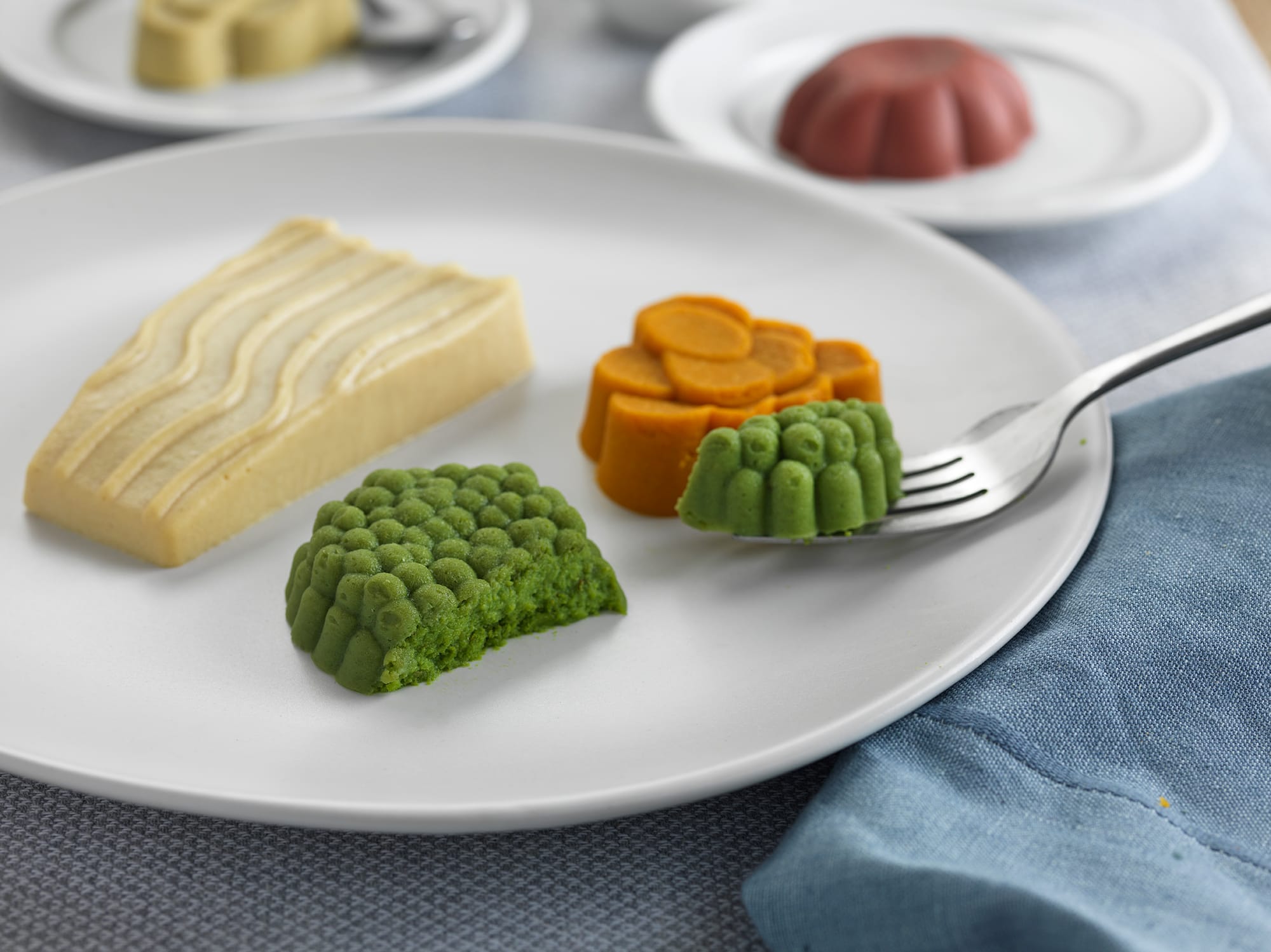
The investment builds on The Pure Food Co’s White Paper released earlier this year, which highlighted widespread malnutrition and swallowing difficulties across aged care and called for stronger dysphagia management.
Among its recommendations were improved access to speech pathology, better nutrition oversight in home care and documented choking and dysphagia risk management plans for providers preparing texture modified meals in-house.
Chris said the need for consistent food safety systems is increasing as aged care providers operate larger, multi-site networks.
“With so much consolidation in the sector, there are now fewer operators running more facilities across the country,” he concluded.
“That means they need approaches to quality and safety that are consistent, systematic and scalable across their networks.
“When it comes to resident safety, you simply can’t leave anything to chance.”


