
Catholic Health Australia has a plan for aged care’s big problem


- Transition beds: CHA proposes 600-step down aged care beds
- Capital investment: No-interest loans proposed for new aged care beds
- Shared responsibility: Reform Agreement should address delayed hospital discharges
- Immediate action: Focus on practical solutions under existing framework
The peak body for Catholic aged care providers believes it has a solution for the growing number of older Australians stranded in hospital while waiting for an aged care bed.
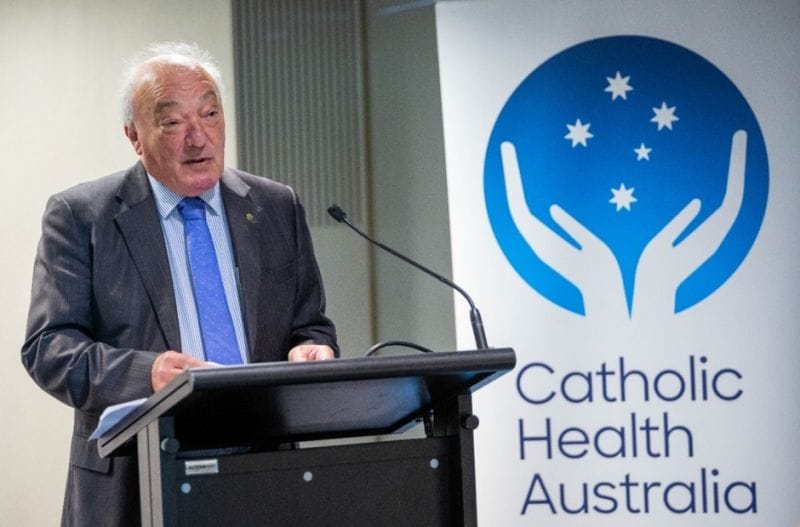
Catholic Health Australia (CHA) hosted a roundtable in Canberra last Thursday (2 July) and released a Position Paper published prior to the event.
The Position Paper reveals that the time patients waiting for residential aged care rose 60% to 460,122 hospital patient days over the three years to 2023-24. The issue has significantly deteriorated recently with a 35% rise in just six months.
CHA is proposing that State and Federal Governments develop a national pool of 600 transition beds to provide step-down care for patients waiting for permanent support, costing around $429.7 million.
The peak body is also calling for a nationally consistent no-interest loan scheme to help with the building of new aged care beds, and the release of an additional 60,000 Support at Home packages annually.
CHA has also proposed the placement of 300 liaison officers and discharge planners across hospitals, aged care, NDIS and housing, with the authority to move patients through the system – a strategy that has worked elsewhere in the health system.
The measures should be written into the next National Health Reform Agreement, to ensure Commonwealth and State Governments share the responsibility, CHA said.
“Work within the existing framework”
The roundtable was chaired by Dr Mike Freelander MP, with the Minister for Aged Care and Seniors, Sam Rae MP, in attendance.
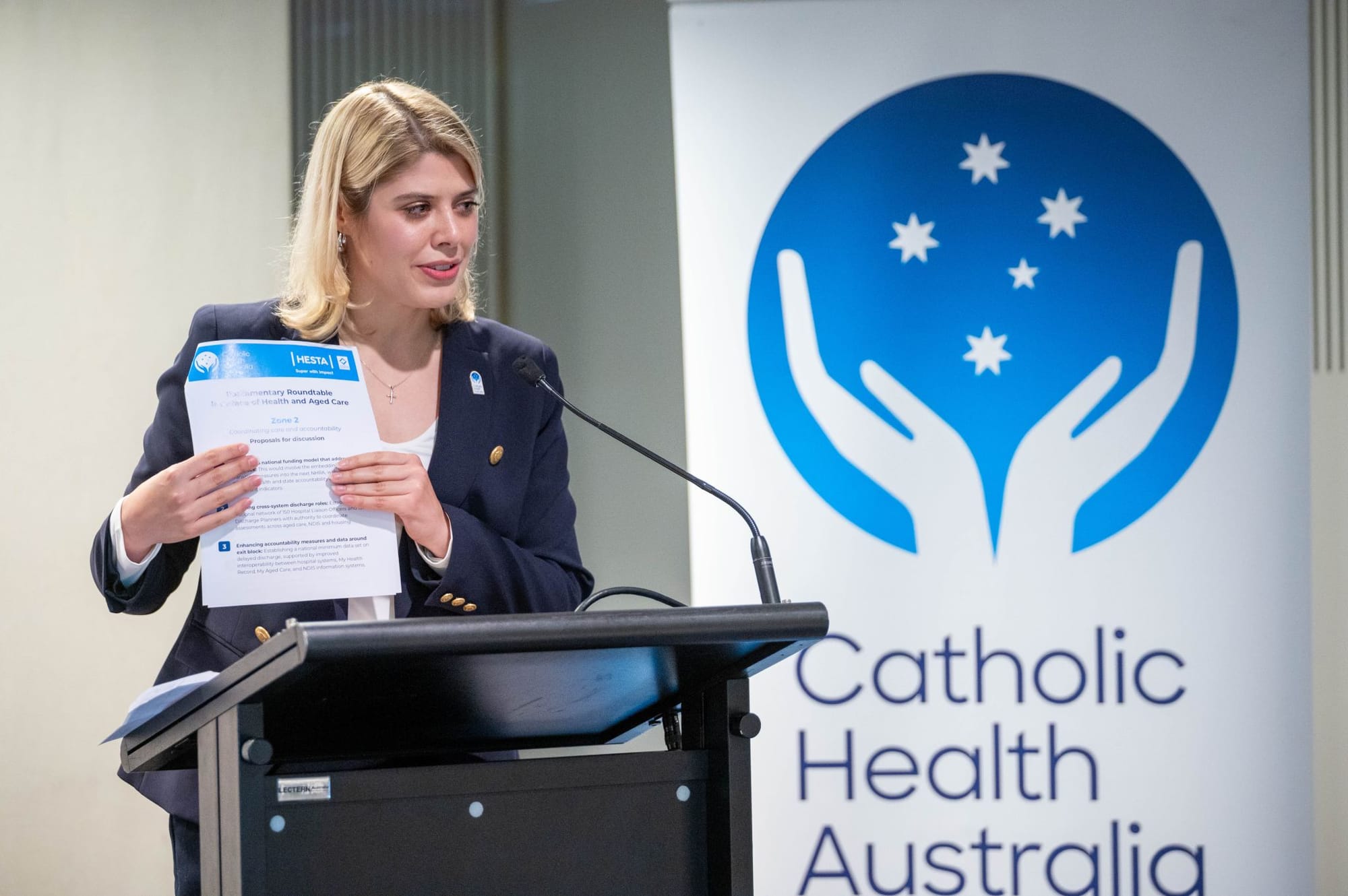
The clearest theme to emerge from the session was “an appetite to work within the existing framework” rather than wait on further reform, Acting CHA CEO, Dr Katharine Bassett, told The Weekly SOURCE.
“The room was focused on what can be done under the current National Health Reform Agreement, and on the view that this problem will not be solved primarily through large injections of funding.”
There was strong interest in community and locally led solutions, for example models that help older people navigate the system, coordinate care across settings, manage the transition out of hospital, and support re-enablement.
What’s next?
CHA will now prepare a summary of the discussion, including solutions participants proposed.
“That will go to all participants within the next week, with an invitation for further feedback,” Dr Bassett said.
“From there, CHA will work to showcase case studies of the models of care already operating in this space, using real examples of what is working to continue the conversation with government and across the sector.”
The aim is to take the solutions to the “decision-makers who can act on them.”


