
“The retirement living model is being pushed beyond its limits”


Australia’s ageing system is no longer struggling with demand. It is struggling with supply – and retirement living operators are increasingly being forced into a role many were never designed for.
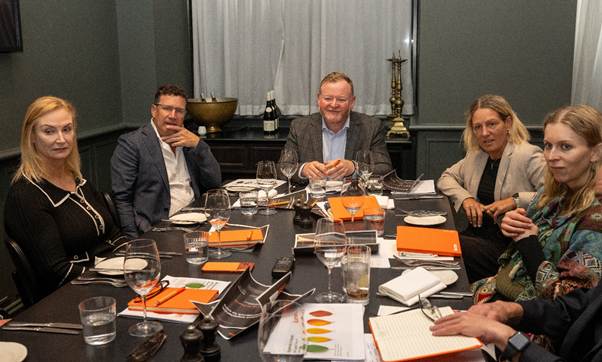
At the recent DCM Group Conversations at the Wharf lunch hosted with Lumin in Melbourne, executives across retirement living, home care and aged care described a system where every part of the continuum is effectively full – and the pressure is now spilling directly into retirement villages.
Residential aged care is at capacity while hospitals are struggling to discharge older patients safely. Home care is keeping people at home longer – but often only until they reach a crisis point.
And retirement villages are increasingly becoming the place older Australians stay because there is nowhere else to go.
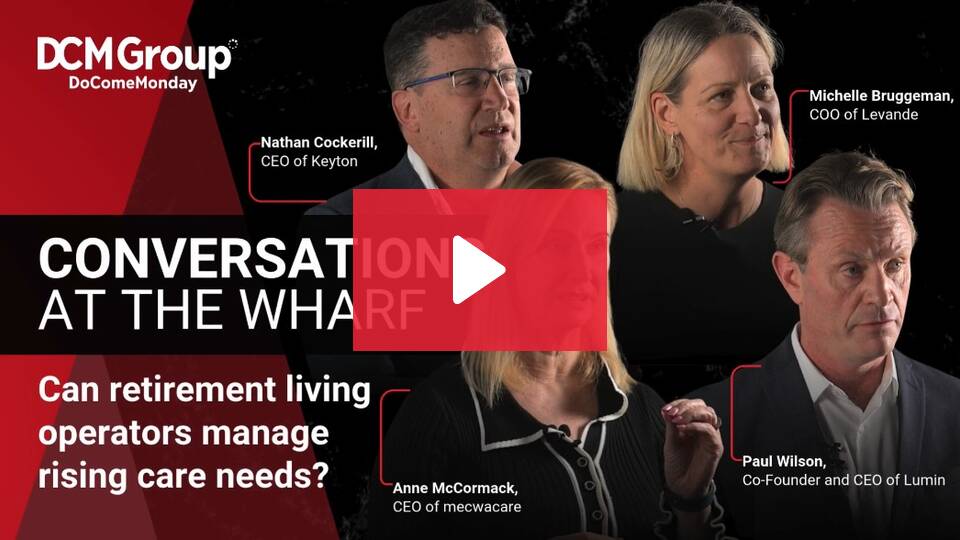
Keyton CEO Nathan Cockerill said people were steadily bypassing traditional transitional models altogether.
“People are staying longer at home due to government-funded in-home care and then moving directly to aged care,” Nathan said.
The problem is aged care is full too.
That means residents with increasingly complex needs are remaining in retirement villages longer than operators ever planned for.
“They need 24/7 care… but they’re not getting it… so it falls onto residents and village staff,” Nathan said.
Nathan added that operators could no longer assume the issue would resolve itself.
“We can no longer be a pure-play retirement living operator hoping for the model that worked ten years ago to be the same model that’s going to work five years’ time, because we know… people are staying longer,” he said.
That shift is now forcing difficult questions across the sector.
“So, we’ve got to flip our business model around and say, what are we going to do differently? Do I become a home care provider? Then there’s a whole other risk and governance challenge around that…” Nathan said.
Retirement living is becoming a wellbeing model
The retirement living model still describes itself as independent living.
But the reality is moving closer to supported living – without the funding, staffing or regulation designed for it.
mecwacare CEO Anne McCormack said operators were increasingly confronting the merging of traditional retirement living and aged care models.
“There is certainly a blurring of the line and blurring of the setting as people move through their age journey,” she said.
Levande COO Michelle Bruggeman said the pressure could no longer be separated from the wider health system.
“Residential aged care is the solution for residents needing high care… but when aged care is full, we need better housing options – our hospitals shouldn’t be the solution,” she said.

Bronwyn Perry, Silverchain’s Executive Director, Strategic Communications & Silverchain Foundation, said loneliness was also increasingly driving demand for both care and retirement living.
“The prevalence of depression and anxiety… in 80- and 90-year-olds… is far higher than people in their 20s,” she said.
This shifts retirement living away from being simply a housing product to becoming a wellbeing and connection model.
Technology is becoming governance
As care needs rise inside retirement villages, operators are also facing a growing governance challenge.
Anne said boards were now being forced to think differently about their responsibilities as the boundaries between independence and care continued to blur.
“Boards have a far deeper obligation around oversight into the care around governance,” Anne said.
“So boards are focusing now on what their role really means.”
That is where technology companies like Lumin believe the sector’s next operating model will emerge.
Lumin co-founder and CEO Paul Wilson said operators now needed far more than anecdotal conversations with residents.
“Operators need to know where their residents are at – every day, not just at the crisis point,” he said.
“They need data to inform conversations with families, and to coordinate with home care providers. That visibility is the foundation everything else builds on."
The right system required
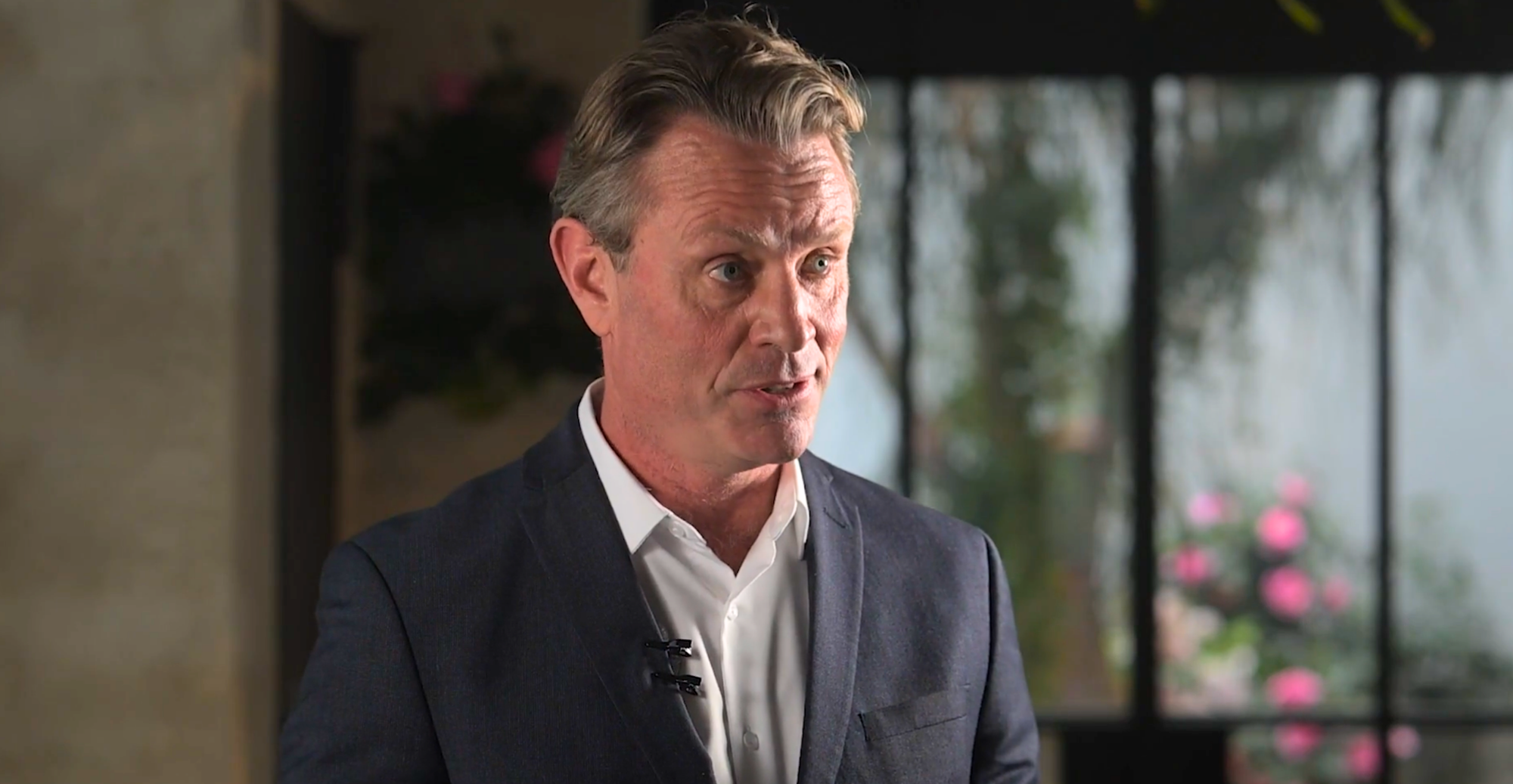
Paul said operators increasingly needed systems that could follow residents across the full journey – from independence through to home care, wellness monitoring and higher-acuity support.
"The independent living model is becoming an integrated care model,” he added.
“The operators who navigate it well will be those with the infrastructure to support residents across the full arc – from independence, through ageing in place, into care. That infrastructure didn't exist five years ago. It does now.”
Paul noted that Lumin had trialled gait analysis across three villages last month, with 70% of residents opting in.
“This was not because we marketed it to them, but because they recognised what it gave them: the ability to keep living actively, longer. That’s the conversation residents actually want to have.”
Meanwhile, former Federal Health Minister Professor the Hon Greg Hunt warned the workforce challenge meant technology was no longer optional – see separate article with Greg.
“We will not be able to meet the care… without AI and robotics,” Greg said.
Anne said the opportunity over the next five years was using digital assistance to improve care outcomes while allowing staff to spend more time with residents.
“What excites me is the way in which we can bring digital assistance into better care outcomes… and release more of those capable pairs of hands to do what they want to do more, which is stand beside that client,” she said.
A model under pressure
Beneath the innovation sits a tougher financial reality.
Across the sector, operators acknowledged that capital is increasingly favouring retirement living over residential aged care, where margins remain tight and returns uncertain.
Greg pointed out that around 125,000 Australians are joining the over-65 population every year.
The message from the discussion was clear: retirement living operators are being pushed into a much bigger role inside the ageing system – whether they planned for it or not.
Not a member and want to keep reading SATURDAY? Click here to access the 30 day free trial.


