27,000 waiting list “undercuts issue”: Retirement Living Council


- Demand surges: Retirement village waitlists top 27,000 registrations
- Supply constrained: Only 11,000 new units forecast by 2031
- Affordable homes sought: Most demand centres on sub-$1 million villages
- Refurbishment challenge: Ageing villages require growing reinvestment
The retirement living sector’s annual census has, for the first time, measured waiting list demand.
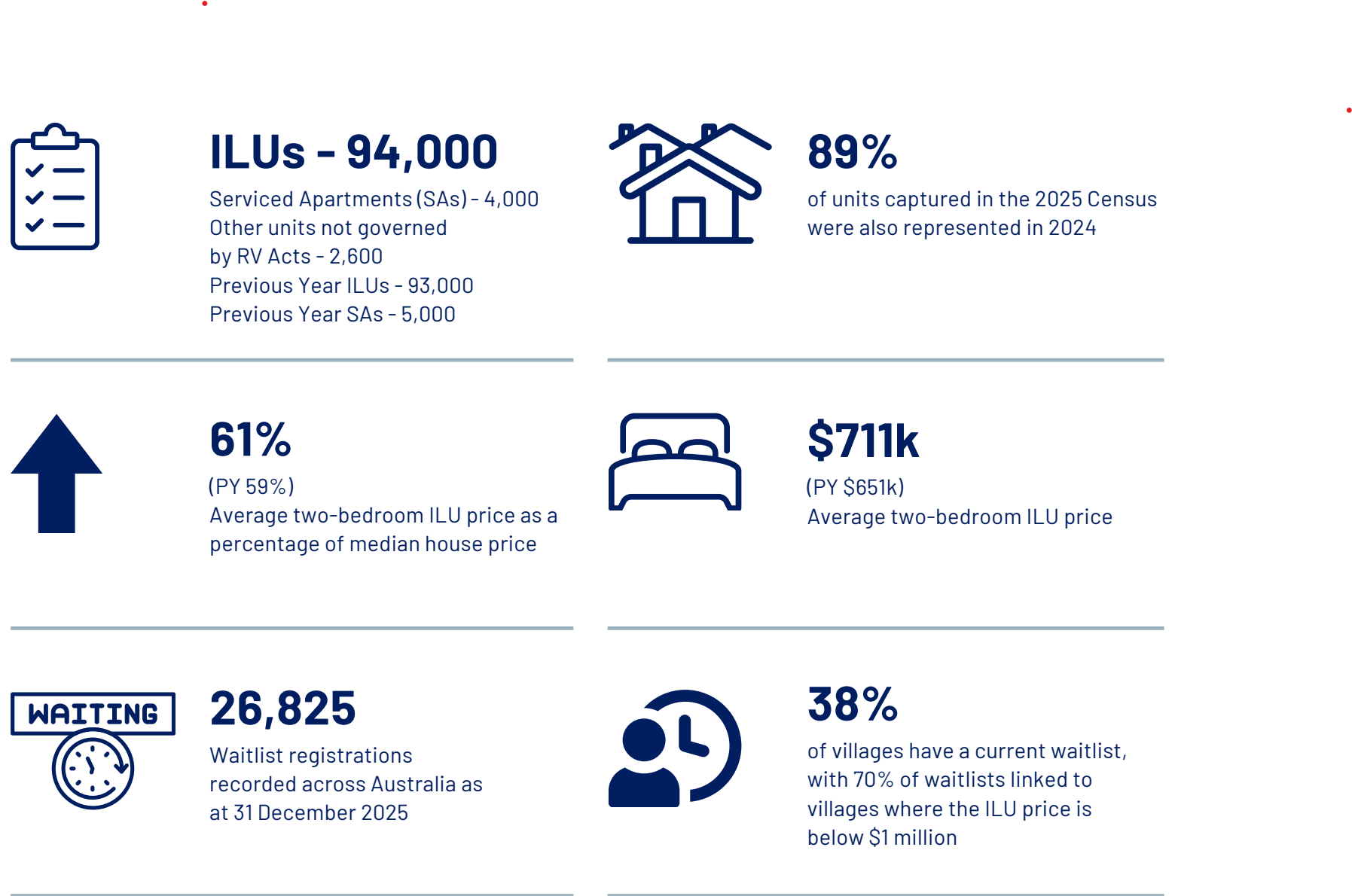
The PwC Australia/Retirement Living Council Census says that almost 27,000 people were waiting for a retirement village unit nationwide as of 31 December 2025.
38% of member retirement villages have a waitlist, with 70% of waitlists linked to villages where the ILU price is below $1 million.
The reality is that many people on these waitlits would have ticked the box for a one-bedroom, two-bedroom or three-bedroom independent living unit at one or more retirement villages.
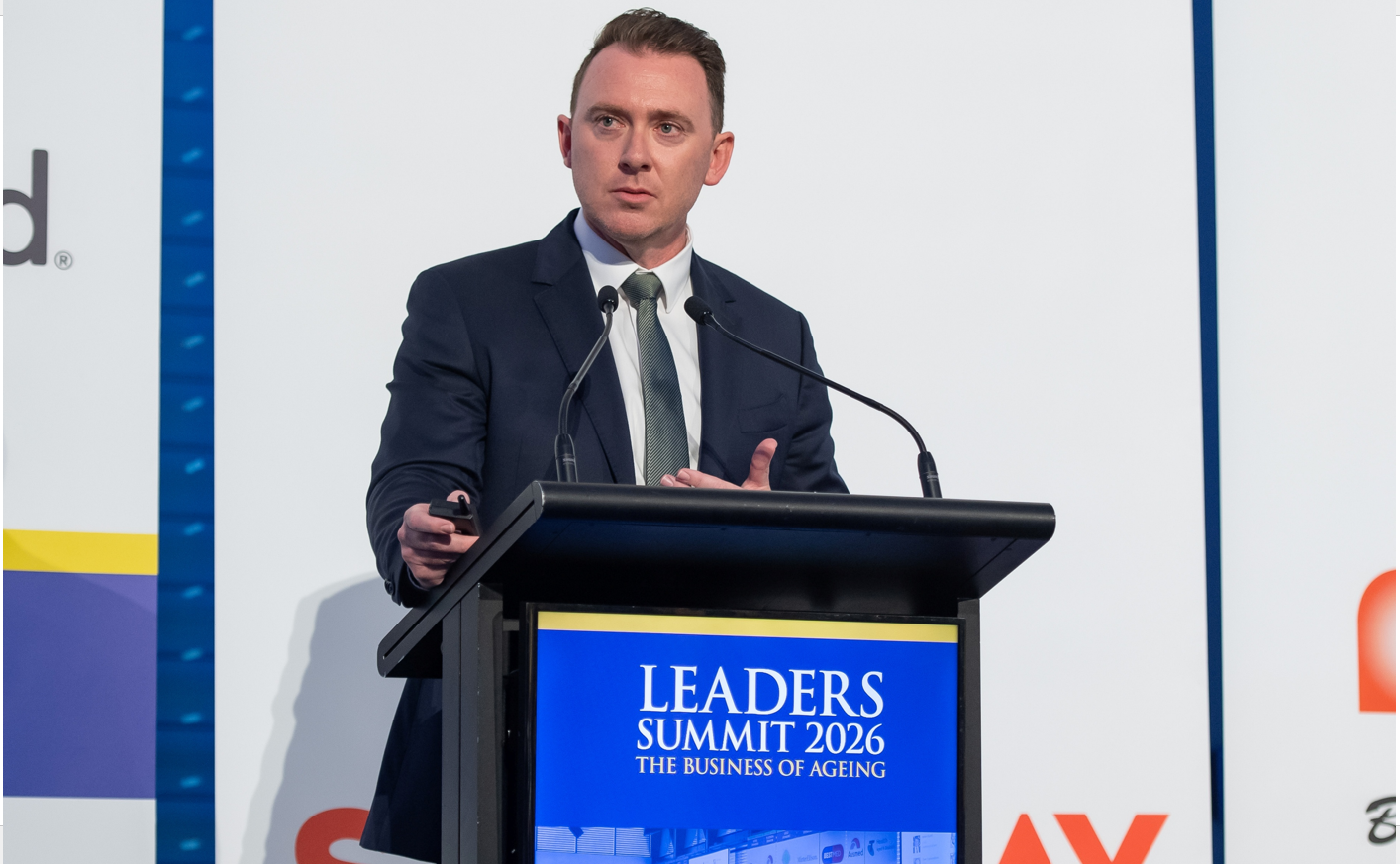
“The Census captures almost 27,000 waitlist registrations, but the real figure is actually much higher,” Retirement Living Council Executive Director Daniel Gannon told The Weekly SOURCE.
“Not every operator in Australia participated in the Census, not every participating operator answered the waitlist question, and older Australians have joined multiple waitlists because demand is strong.
“This means 27,000 is the floor, not the ceiling.”
NSW recorded the highest total waitlist volume, followed by the ACT, SA and WA.
Daniel added: “What is clear is that demand for retirement living continues to surge. Older Australians increasingly want the independence, community and lifestyle retirement villages offer, with the added confidence that care and support are available if their needs change over time.”
The 2025 Census found demand is strongest for two-bedroom homes and more affordable options, reinforcing the importance of delivering the right product at the right price.
The average time from vacant possession to settlement has increased to 225 days (average across villages), which the RLC says shows that demand cannot be considered in isolation. Pricing, refurbishment requirements, product fit and sales conversion all influence how quickly available homes are occupied.
The Census states “approximately 11,000 new units forecast” between 2026 and 2031, including only around 5,800 units over the next three years.
“With only 27% of forecast units having Development Assessment information available, delivery confidence, planning approvals and development feasibility remain critical to whether future supply arrives when and where it is needed,” the report states.
From next year onwards, vertical/multi-level units account for the majority of forecast supply, increasing to 77% in 2028, 81% in 2029 and 93% in 2031.
Reinvestment in retirement villages is paramount
With supply constrained, the Census argues that existing retirement villages will require reinvestment to meet resident demand.
“The average village age is now around 30 years, and refurbishment costs are becoming a more material part of village economics. Average refurbishment costs increase by bedroom count, from around $58,000 for one-bedroom units to $81,000 for three-bedroom plus units,” the report states.
“However, as a share of sale price, the refurbishment burden is highest for one-bedroom units, reinforcing the challenge of maintaining affordability while continuing to invest in quality, amenity and resident experience.”