
New report identifies land for 14,300 retirement living units


- Untapped opportunity: NSW clubs could become retirement living growth hubs
- Planning advantage: Seniors housing is already permitted on many RE2 club sites
- Major pipeline: Club land could support thousands of additional homes
- Faster approvals: McKell urges reforms to accelerate club redevelopment
The local golf, bowls or RSL club may hold the key to NSW’s next wave of retirement living development.
A new McKell Institute report for Clubs NSW has identified the state’s 1,070 registered clubs as one of its largest untapped housing land banks, with many occupying substantial sites in established suburbs and regional centres.
The clubs collectively control more than 10,000ha, including golf courses, bowling greens, leagues clubs and RSLs. Much of the land is close to shops, services and public transport – the same locations sought by retirement living operators.
Current seniors housing projects built or in planning at NSW clubs include:
- Campbelltown Catholic Club: Siquilla Retirement Residences;
- Chatswood Golf Club: Watermark Residences at Newgreens Chatswood;
- Club Willoughby: Hyegrove Willoughby and HyeCare;
- Cronulla RSL: Retirement village operator Keyton has been named the preferred partner for its redevelopment;
- Cumberland Country Golf Club: Pariter has received approval for a $160M retirement living development;
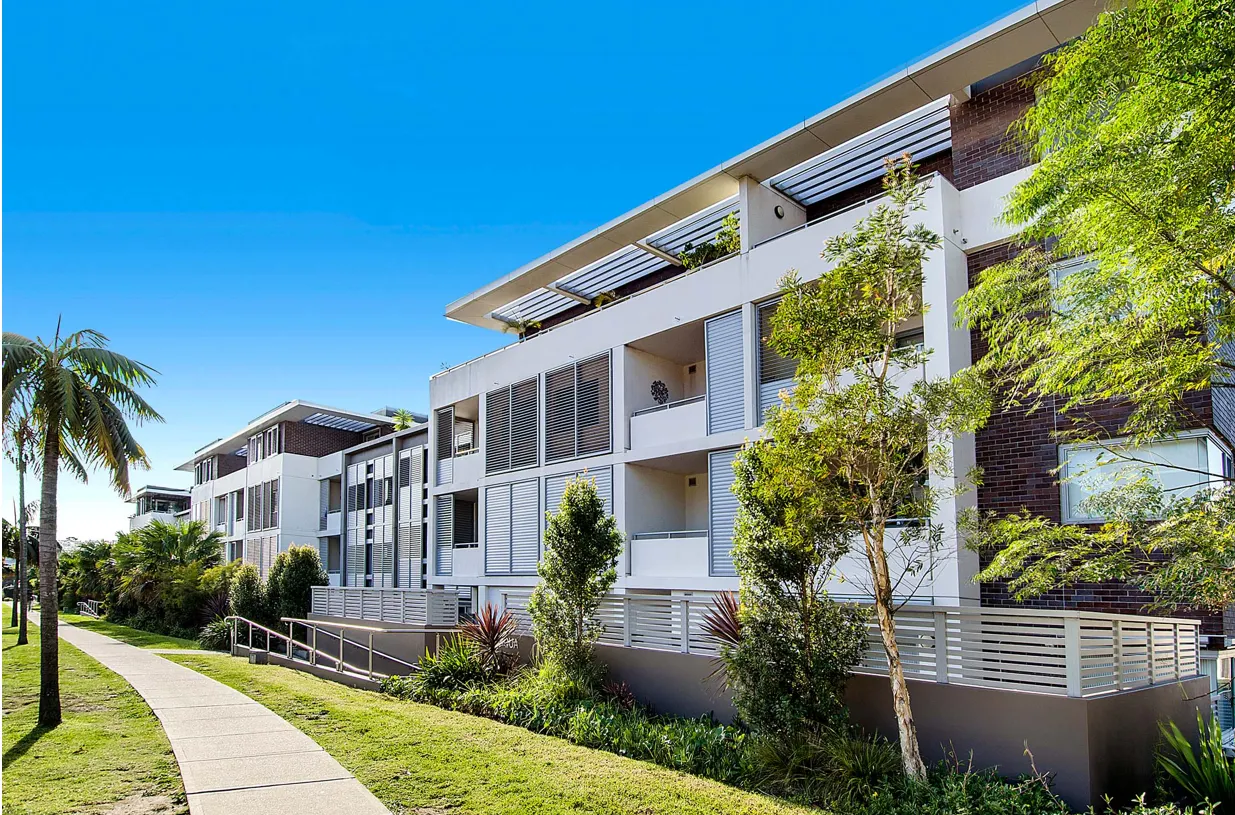
- Dee Why RSL: The Club is seeking a $120M expansion of its retirement living;
- Forestville RSL: The operator is planning a $77M boutique retirement village;
- Mingara Recreation Club: Pariter has been given the green light for a $188M retirement living project with the Club;
- Newcastle Golf Club: home to Principle Living’s flagship retirement village; and
- Oaklands Golf Club: Levande is building a retirement village on the site.
But the report’s modelling estimates club land could deliver another 14,300 homes under existing planning settings. With targeted reforms, the expected yield could rise to 37,700 homes.
The figures cover all housing types and are not a forecast of retirement living development. However, the report argues that seniors housing already has a critical planning advantage.
About 454 clubs sit on land zoned RE2 Private Recreation, where conventional residential development is generally prohibited without rezoning. Seniors housing, however, has been permitted on club-owned RE2 land under the NSW Housing State Environmental Planning Policy since 2021.
McKell said the streamlined pathway had already supported “many seniors housing projects” by allowing clubs to proceed without the costly and time-consuming rezoning faced by conventional developers.
The report concludes that this creates a significant opportunity for retirement living operators to partner with clubs that have surplus car parks, underused greens, driving ranges or other peripheral land.
Golf clubs hold 73% of housing opportunities
McKell indicates that golf clubs provide the biggest prize. The state’s 223 golf clubs hold more than 9,600ha and account for 73% of the report’s estimated housing yield. Bowling clubs could contribute about 900 homes, leagues clubs 1,350 and RSL clubs 870.
Almost six in 10 potential homes are in metropolitan Sydney, with another 24% located across the Central Coast, Hunter and Illawarra. In addition, 258 clubs are within 800 metres of a train, metro or light rail station.
The report stresses that the modelling would not envision clubs closing, and assumes only surplus land would be developed, providing funds to renew clubhouses and recreational facilities while potentially bringing new residents and members to their doorstep.
McKell now wants the NSW Government to extend the Housing Delivery Authority pathway to clubs on constrained land, halve its State Significant Development thresholds and enable rezoning and development assessment to occur together.
The group said this could cut a process that typically takes three to five years – and sometimes most of a decade – to between 12 and 18 months.
The 60-page report also recommends a Government-funded advisory service and reduced development contributions where clubs retain community facilities and open space.


