
10 takeaways from Natalie Siegel-Brown’s National Press Club address


Key points
- Funding: Aged care spending delivers insufficient value
- Home care: Delays and co-payments accelerate decline
- Prevention: Earlier support reduces residential aged care demand
- CHSP: Strengthen community support before expanding residential beds
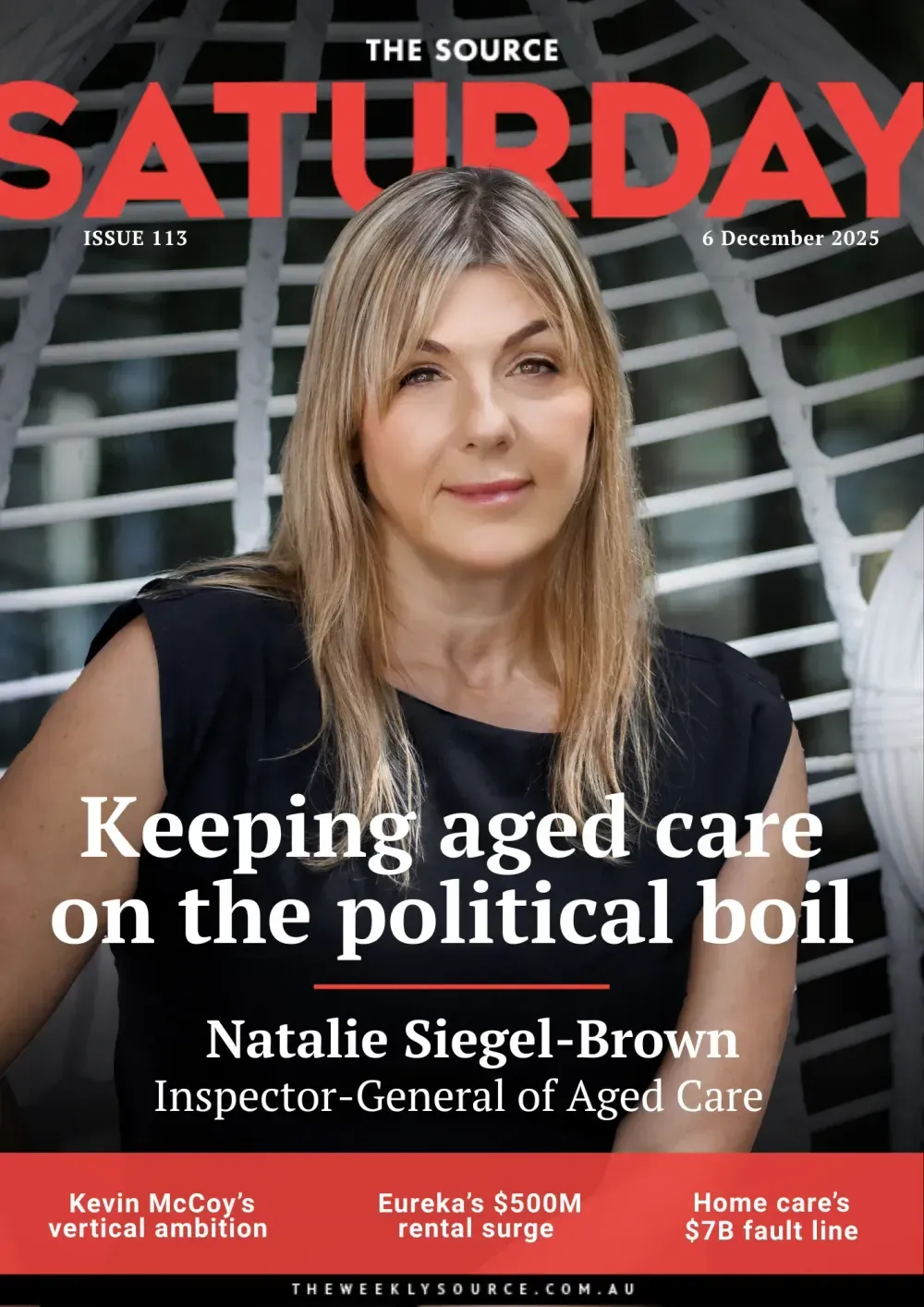
The Inspector-General of Aged Care has used her final weeks in office to renew her sweeping critique of Australia’s aged care reforms, urging Government to make prevention the foundation of the system.
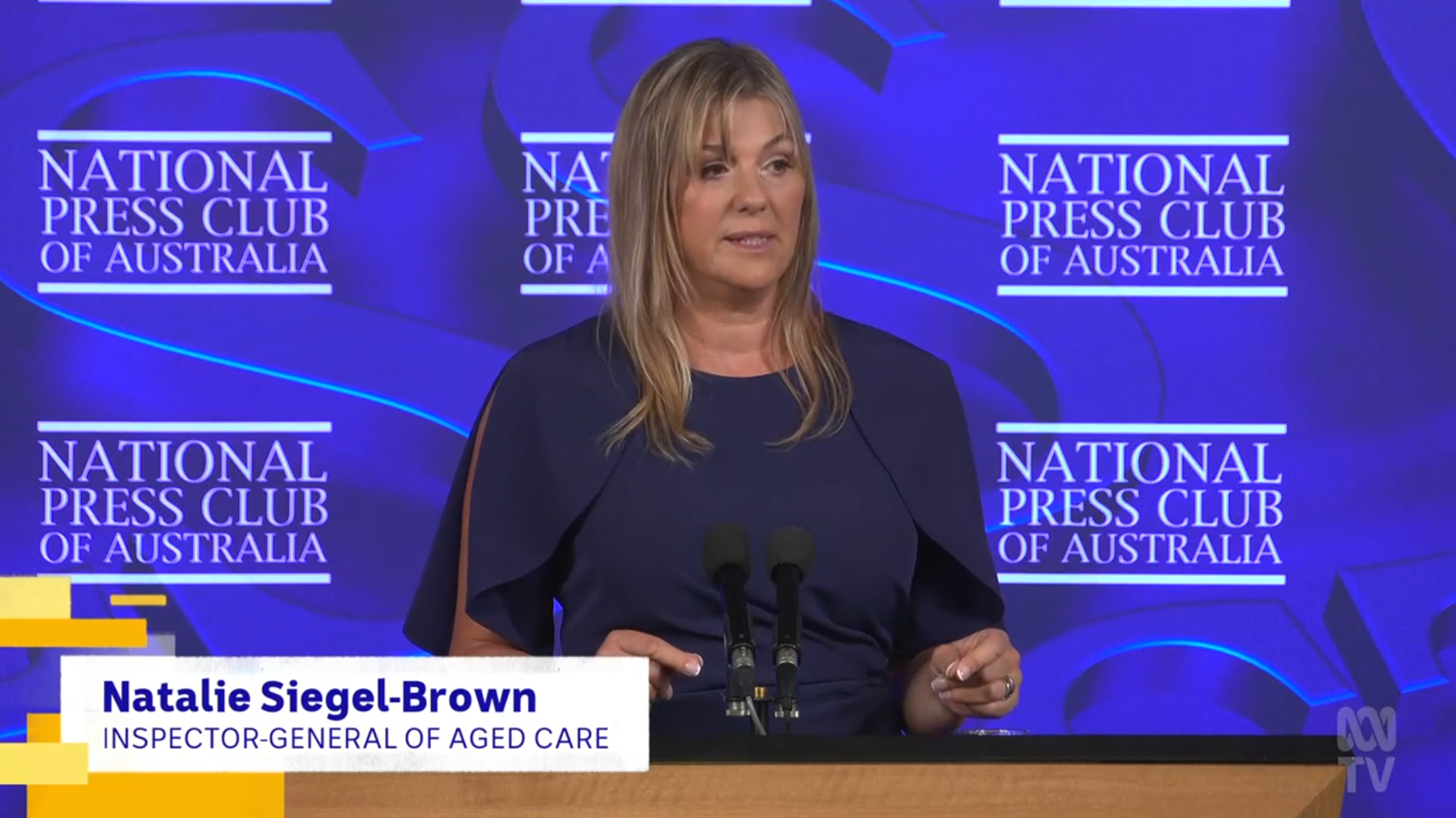
Here are the 10 key points from Natalie Siegel-Brown’s one-hour address, followed by questions, at today’s (15 July) National Press Club event in Canberra.
- Natalie repeated her claim, made at the DCM Group’s LEADERS SUMMIT 2026, in March, that Australia is spending its existing $40 billion aged care budget in the wrong places.
“The real issue is not that we’re short of funding. It’s we’re short of value,” she said.
- She argued the new Support at Home program is driving people into residential aged care prematurely due to co-payments, delays and complexity.
“We say we want people to age in place. Yet we discourage people from accessing Support at Home,” she said.
- Natalie argued for spending to be focused on prevention, and it should be thought of as economic infrastructure, not social spending. Prevention and supporting people earlier slows decline, delays entry into residential care, ultimately saving taxpayers billions, she said.
- Co-payments are fundamentally flawed because people are charged according to how much care they need, rather than simply their capacity to pay. That means frailer people pay more, poorer pensioners are discouraged from accessing care, and people decline faster.
- With more than 200,000 Australians waiting for care, long waiting lists are a false economy. They cause greater frailty, hospitalisation, earlier entry into residential aged care, and higher long-term costs.
“Waiting is not free. Decline is not free,” she pointed out.
- Australia cannot build enough aged care beds. Rather than building more homes, the Government should reduce demand for residential aged care. Natalie argued Australia is “trying to build our way out of a problem were funding our way into.”
- She used Denmark as an international example of a more effective care system focusing on prevention, and said Australia’s veterans’ care system is proof the model can work locally.
- The current aged care system has lost its sense of value. A woman needing $50 crutches was instead given a Government-funded $1,800 Occupational Therapy (OT) assessment and support took three months to arrive.
- The CHSP should be strengthened, not folded into Support at Home.
Natalie highlighted some key statistics, including:
- 65% of aged care clients use CHSP
- It receives only 8% of the aged care budget
- The Australian National Audit Office (ANAO) found it is effective prevention infrastructure.
- Natalie said Governments need to stop chasing “low-hanging fruit”, pointing to the Integrated Assessment Tool. She argued Governments increasingly favour politically easy reforms over significant changes.
Natalie steps down as Inspector-General of Aged Care on 31 July.


