
Senate Estimates: the key aged care takeaways


Senate Estimates shines light on aged care fault lines
- IAT fallout: Only 8% of reviewed assessments were upheld
- Package pressure: 53,718 older Australians remain on interim funding
- Bed boost: 1,143 aged care places funded or under development
- Rights debate: New Aged Care Act comes under fierce scrutiny
Tuesday’s Senate Estimates hearing for Ageing and Aged Care was a marathon session running to 13 hours.
The hearing was at times heated and testy, with Department of Health, Disability and Ageing officials put under pressure from questioning by Senators Anne Ruston, Penny Allman-Payne, David Pocock and former Aged Care Minister Senator Richard Colbeck.
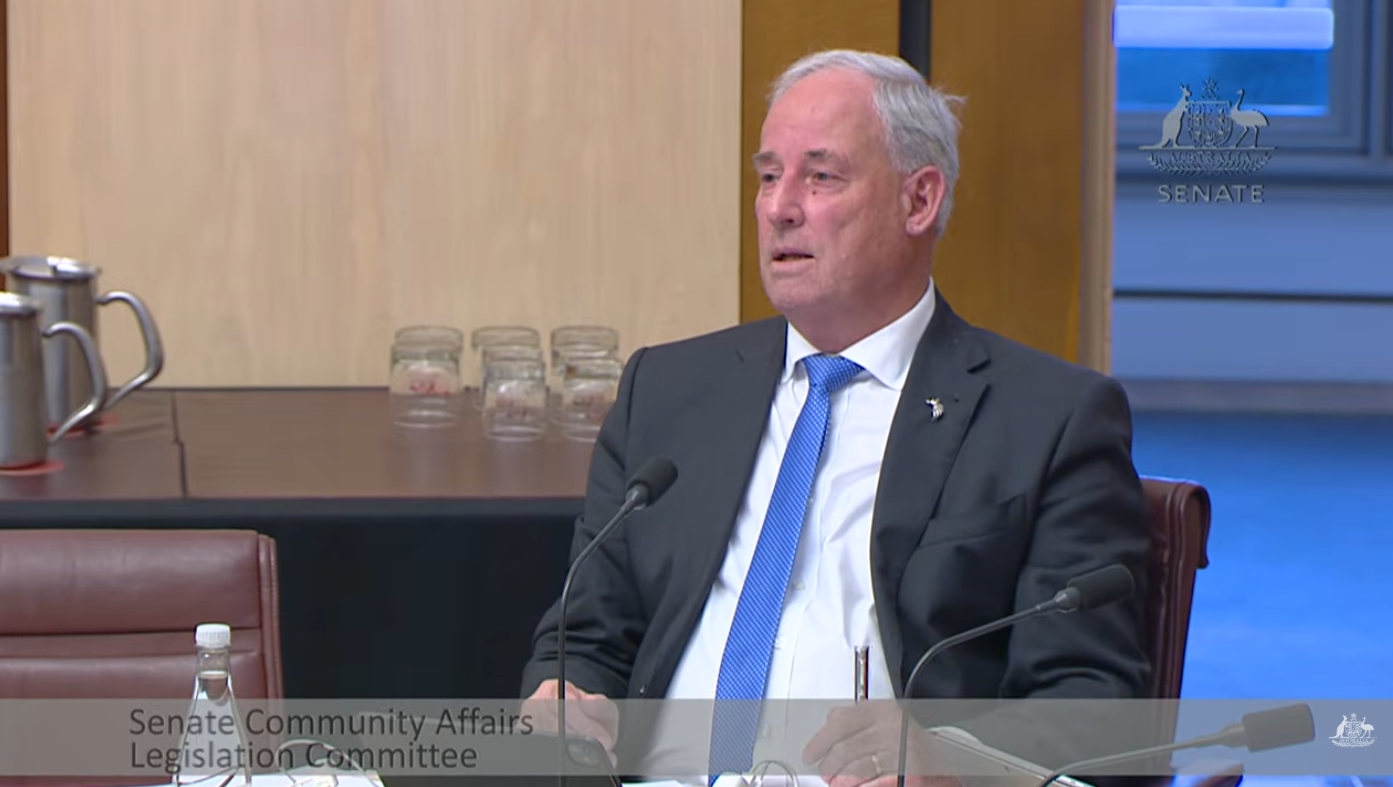
There were lighter moments too, such as when Aged Care Quality and Safety Commissioner Liz Hefren-Webb revealed it was her birthday and it briefly appeared as though song would break out.
Here are the key takeaways that you need to know:
- The Department revealed that it was a “cut and dry” decision by the Albanese Government that there would be no human override of the IAT for Support at Home. The decision was made as part of the 2024-25 Budget process with the impact of the change not modelled or publicly announced.
- There have been 1,117 requests to review IAT decisions since 1 November 2025. Of those, 606 have been finalised – only 92 (or 8%) found the original assessment was correct. The average time to conduct a review was 72 days.
- Aged care assessors are leaving the sector because they’re concerned about the lack of human override for the IAT.
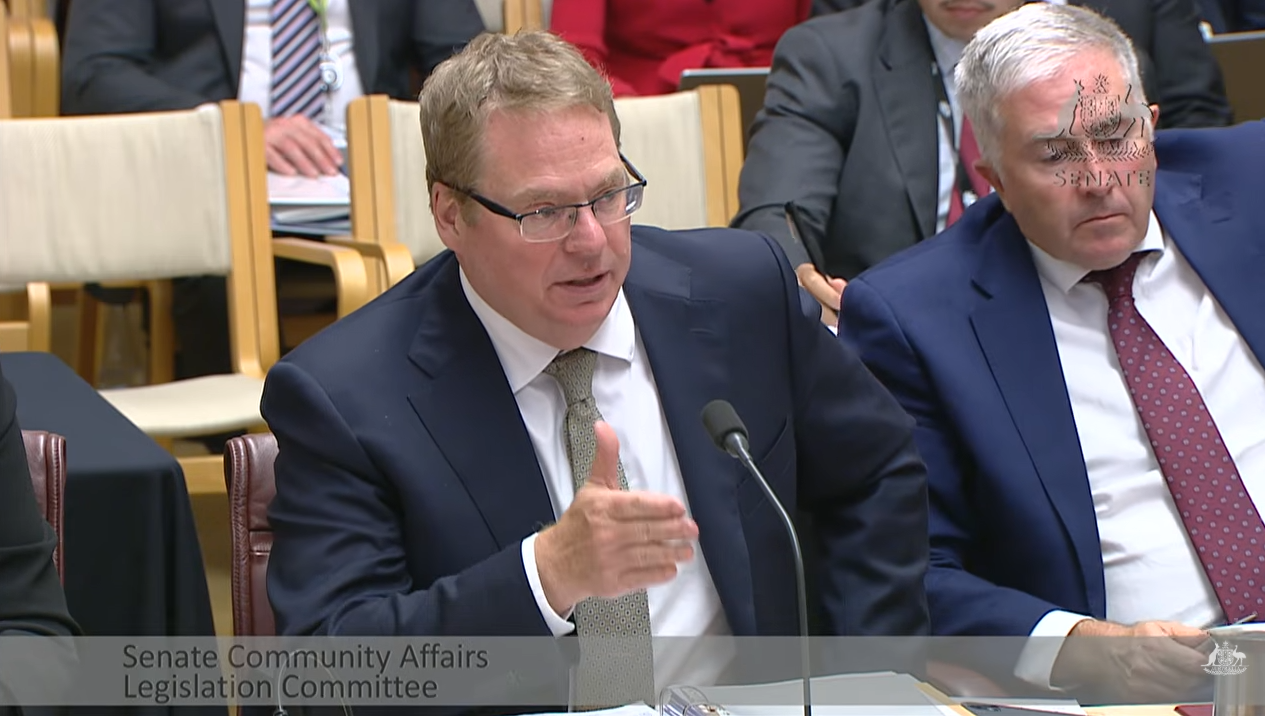
- The Government is “on track” to meet the target of an average wait time of three months by 1 November 2027 with the release of 32,000 packages in 2026-27. The additional 300,000 places up to 2035 will maintain that wait time according to the Department.
- There are 56 projects underway funded by the Aged Care Capital Assistance Program, with 363 beds under construction and 780 beds in planning or pre-construction – a total of 1,143 new beds.
- The Department reiterated expectations that 1,700 new residential aged care beds will come online in 2025-26 and 4,000 the following year.
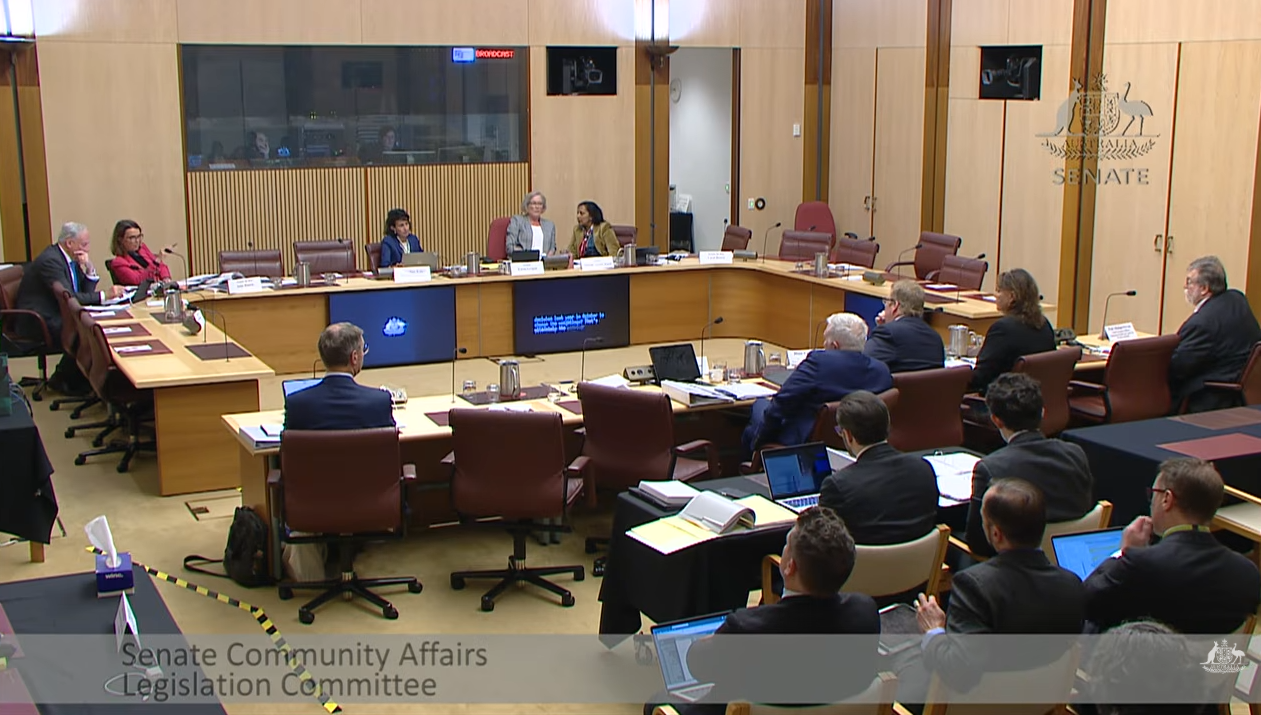
- As of 31 March 2026, 53,718 seniors were on an Interim package – 15% of all Support at Home packages. The time on an Interim package, where the recipient only receives 60% of the package, ranges from three to 17 weeks, with an average of 10 weeks.
- The Aged Care Rules were amended in March to change queue rates, changing the rate each Support at Home priority queue moves relative to the others. People in the high priority category are now receiving their packages more quickly. On the down side, lower priority packages are being released more slowly.
- A final evaluation of the Single Assessment System won’t be made public in late 2027.
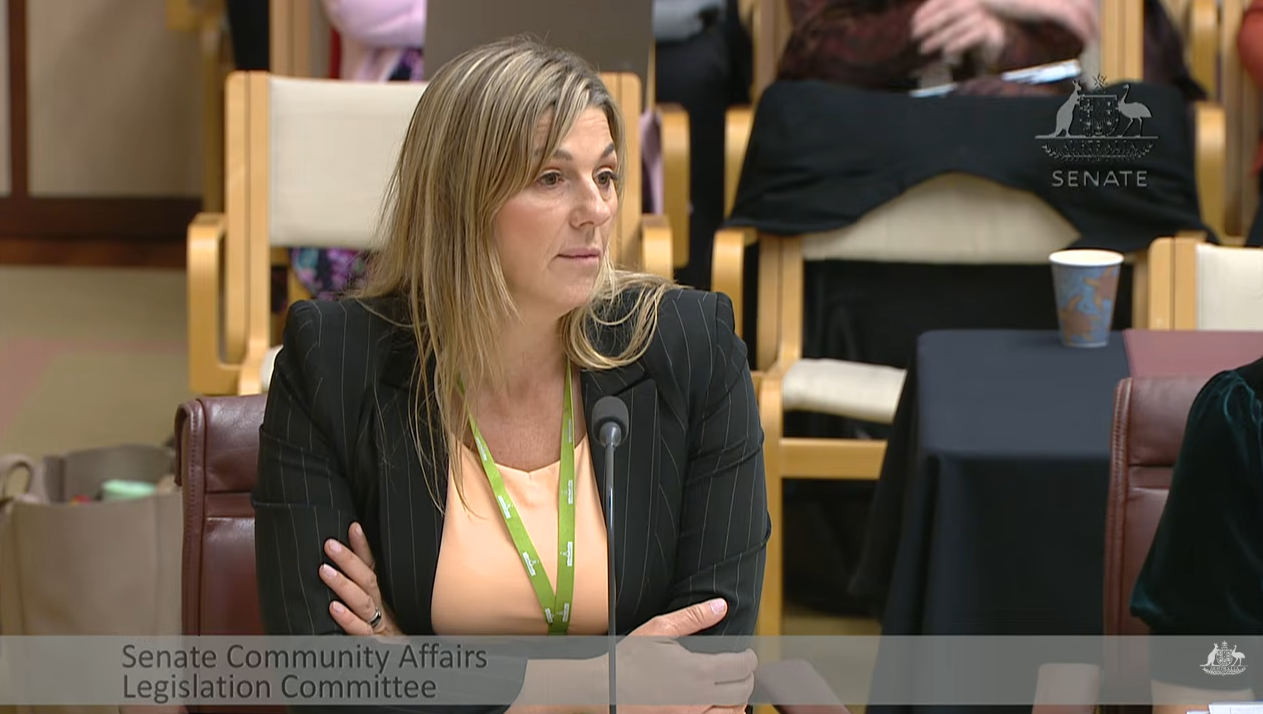
- The Inspector General of Aged Care Natalie Siegel-Brown said co-payments “undermine” the new Aged Care Act’s ambition for ageing in place. She has “equally grave concerns” about elder care for Aboriginal and Torres Strait Islander people. She said she is “sad” that the philosophy of Support at Home is not being seen in the program's implementation.
- The aged care target planning ratio, which was reduced from 78 to 60 in 2023-24, is unlikely to change.
In the final session, Senator Ruston, who dominated questioning throughout the day, expressed her disappointment that the new Aged Care Act has not delivered the rights-based system the Government promised.
“The idea that the new Aged Care Act puts the rights of older Australians at the centre of the framework of that Act has got to be the furthest thing from reality that I have ever seen.
“I have never seen anything that has taken rights away from older Australians like this Act has.
“I just find it incredible that we did this all to give older Australians greater control of their rights.”


