
Senate Inquiry: Support at Home sends operators into deficit


- Margins squeezed: More providers are slipping into deficit
- Financial strain: Sustainability pressures continue to intensify
- Care delayed: Higher costs and complexity deter older Australians
- Sector calls: More packages, oversight and prevention funding
Nine months after Support at Home was introduced, Monday’s Senate Inquiry hearing in Brisbane heard of a system still under significant strain.
Providers spoke of financial pressures, growing complexity and higher consumer costs are undermining the reforms to home care.
The hearing, chaired in Brisbane by Greens Senator Penny Allman-Payne, with Senators Anne Ruston, Ellie Whiteaker and Michelle Ananda-Rajah appearing by video link, was the first of five hearings being held nationwide.
Margins deteriorating
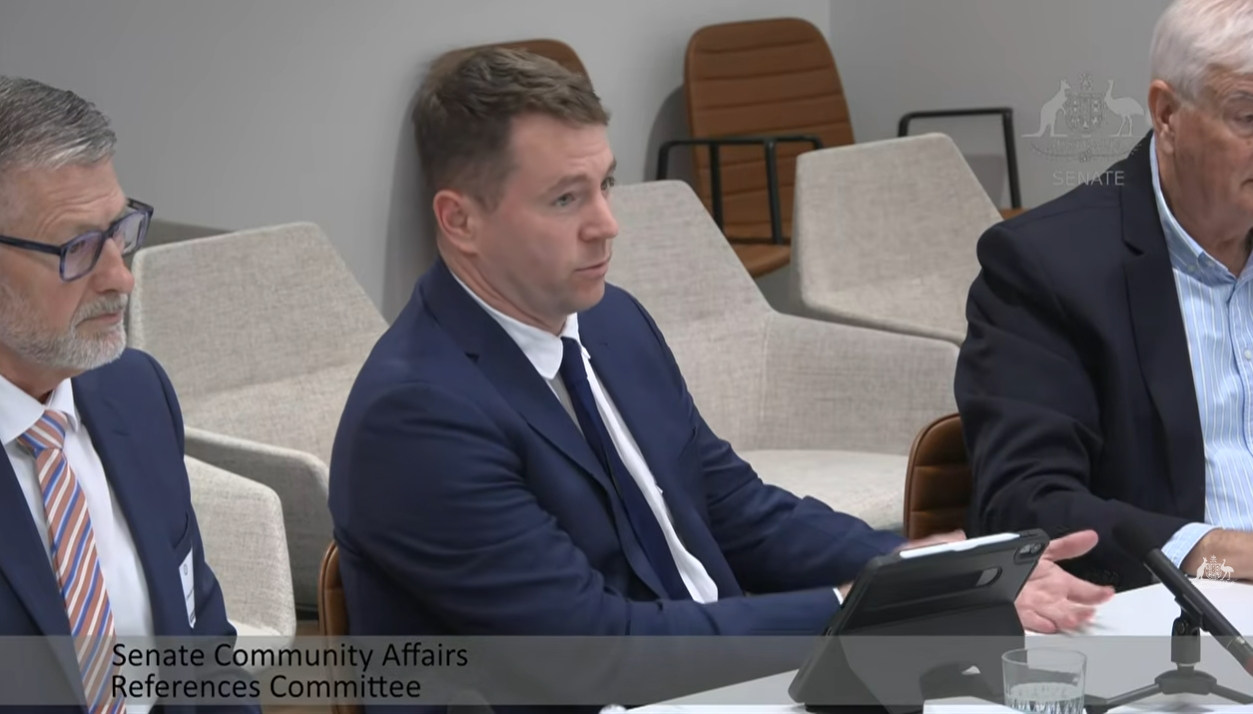
St Vincent’s Care Services CEO Lincoln Hopper told the inquiry the biggest issue facing providers was the rapid deterioration in operating margins.
“A lot of providers who sat broadly in line with the industry average before 1 November are now reporting deficits,” he said.
He said the situation was particularly acute in rural and regional Australia, where higher travel costs, workforce shortages and smaller client numbers make service delivery more expensive.
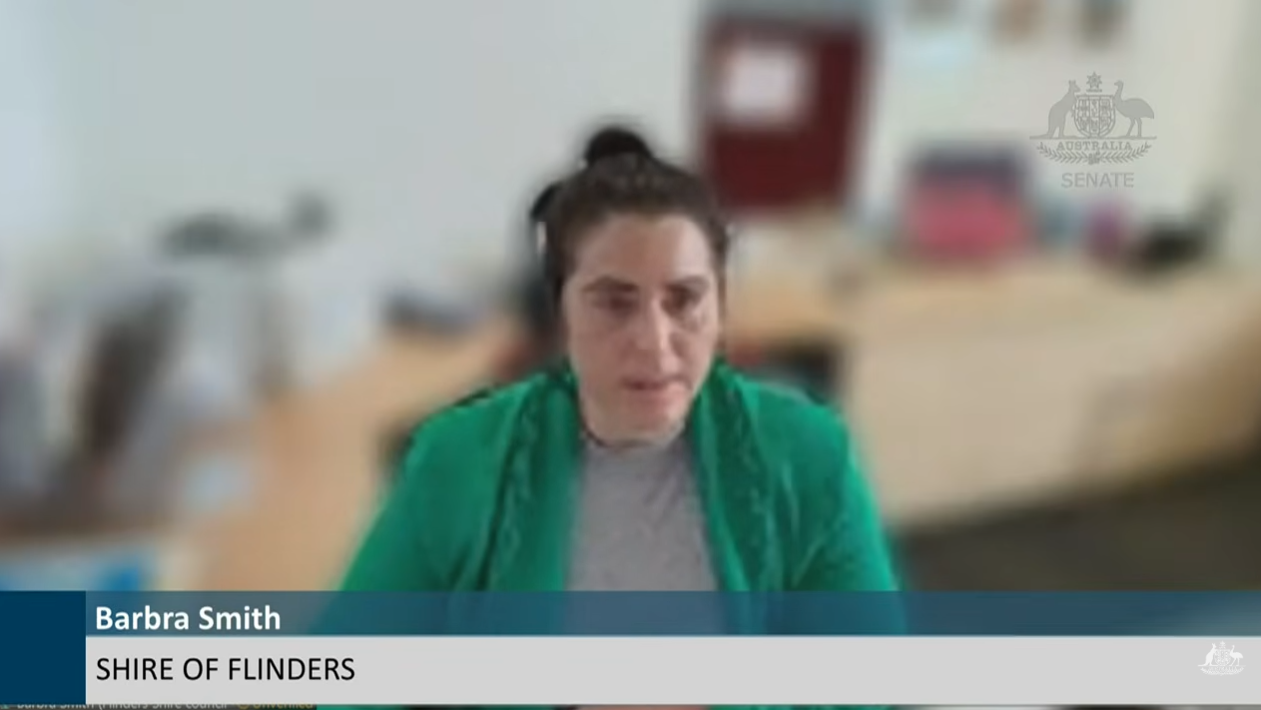
Flinders Council Community Development and Engagement Officer Barbra Smith, whose council is the only home care provider in its region, said it was becoming increasingly difficult to remain financially viable.
To keep services operating, many providers are cross-subsidising losses in regional areas with profits earned elsewhere.
“It’s the only way they can continue to operate,” Mr Hopper said.
Costs and complexity driving consumers away
Witnesses said many older Australians are declining Support at Home services because they cannot afford the new co-contributions or are overwhelmed by the complexity of the system.
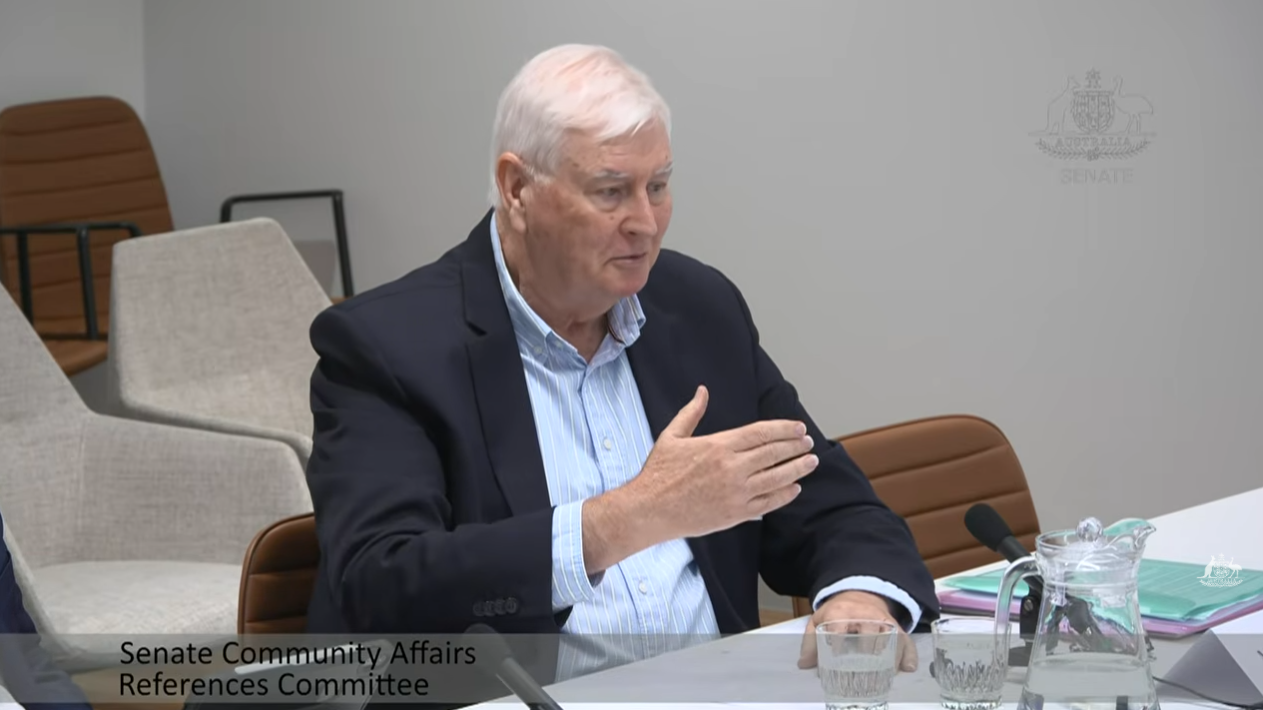
Flexicare General Manager Adrian Morgan said some clients were choosing to remain on the Commonwealth Home Support Program instead of transitioning.
“They cannot afford them,” he said.
Ms Smith cited one client whose monthly contribution increased from about $300 under CHSP to around $2,000 under Support at Home.
Mr Morgan said complexity was also deterring people from accepting services.
“A lot of people find themselves just freaked out by it,” he said.
Mr Hopper added uncertainty about future costs was making many older Australians reluctant to participate.
Providers over-delivering care
Catholic Health Australia Director of Aged and Community Care Alex Lynch said providers were routinely delivering more care than funded under Interim Support at Home packages, which account for more than 90% of current packages.
“I think most high-quality providers are just shooting past 60%,” he said.
Mr Lynch called for a demand-driven home care system based on assessed need rather than rationed packages, arguing more Support at Home packages should be released urgently.
Witnesses also criticised the financial hardship process, saying very few applications were successful due to the complex 16-page application form.
Looking ahead, Professor Brenda Gannon, who specialises in health economics, said prevention must become the focus of aged care policy, arguing timely home care helps older people remain independent and delays costly residential care.
Mr Morgan told the inquiry an informal survey at Ageing Australia’s Queensland conference found 94% of respondents believed Support at Home had produced worse outcomes for older Australians, while just 4% believed it had been beneficial overall.
“I think the main impact of the new financial structure has been to save the Commonwealth money,” he concluded.


