
CHSP becoming part of Support at Home “has no friends”


Senate backs retaining CHSP as separate program
- CHSP retained: Senate rejects merger with Support at Home
- Funding extended: Three-year CHSP continuation recommended
- Inquiry warns: Support at Home faces capacity pressures
- Labor response: Senators support broad recommendation intent
A Senate Inquiry examining the proposed merger has concluded, delivering 12 recommendations to the Federal Government.
The Community Affairs Reference Committee has released the findings from its Senate Inquiry into the transition of the Commonwealth Home Support Program (CHSP) into Support at Home.
The 139-page report, published last night (23 June), recommends the CHSP be retained as a block-funded program and not transitioned into Support at Home.
Funding for the program should be extended for three years after 1 July 2o27 allowing time for consultation and co-design of the future CHSP, the Committee recommends.
The report also recommends the Government implement the recommendations of the Auditor-General, published in May.
The Auditor-General found the Department of Health, Disability and Ageing does not properly understand or monitor the CHSP. She made nine recommendations, including that the Department of Health, Disability and Ageing should establish systems to monitor supply and demand for CHSP services and establish CHSP performance measures.
Other recommendations from the Senate Inquiry include a cost-benefit analysis of the merger, co-consultation on program design with providers, additional funding for thin markets, abolish the $15,000 lifetime cap for home modifications, and abolish time and funding restrictions on the End-of-Life pathway.
Profound uncertainty
The report also chronicles the 131 submissions the Senate Inquiry received, including pointed criticisms of the proposed merger.
Natalie Siegel-Brown, Inspector-General of Aged Care, stated: “Why would we merge these two programs before we’ve ironed out the issues with Support at Home?
“My inbox is becoming flooded with some of the problems we are now seeing, as predicted, with the impact of co-payments. I don’t understand why we’re undertaking the transition at all.”
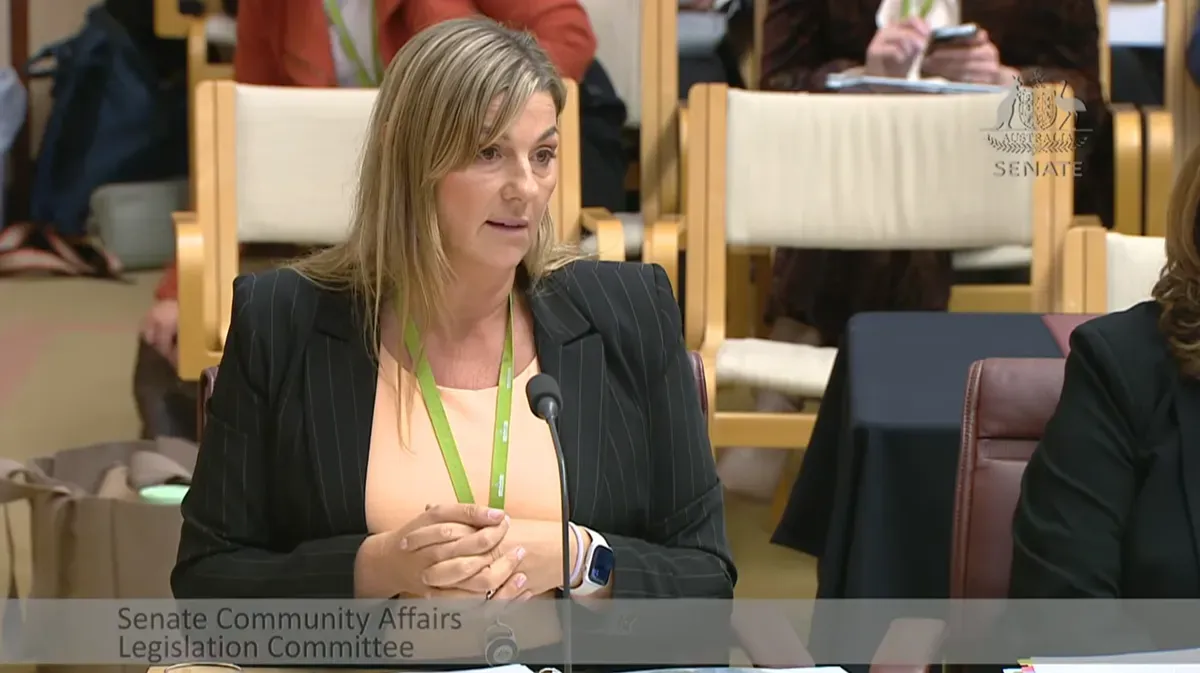
“Providers, workers and consumers are facing profound uncertainty about the transition of CHSP into Support at Home,” she added.
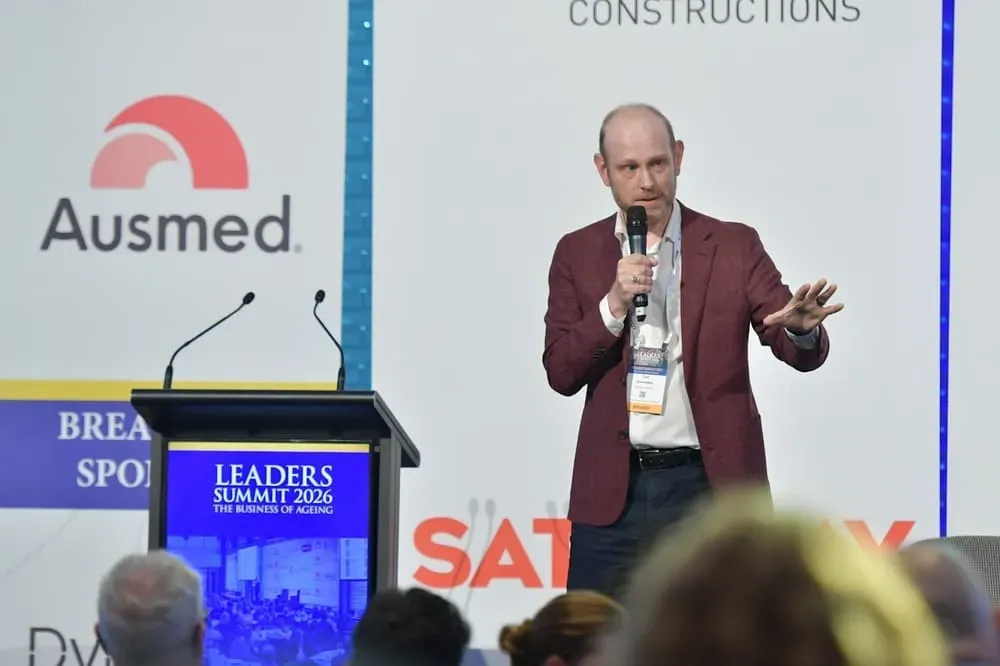
Ageing Australia CEO Tom Symondson said: “Most CHSP providers are not-for-profits or charities and are often delivering early childhood services or homelessness services, saying, ‘We’ll just do those things.
“'We won’t do aged care anymore because it’s too hard.’ That would be an absolutely devastating blow, particularly to small communities.”
Reckless proposal
Greens Senator Penny Allman-Payne, who chaired the Inquiry, said in a statement: “Labor’s reckless proposal to kill off the CHSP has no friends.
“Advocates, providers, unions, experts, First Nations organisations, local governments – no one wants this.
“By rushing into yet another massive change to the aged care system without adequate data or a clear plan, Labor is putting older people’s lives at risk.
“It is entirely inconceivable how Support at Home – a system already under massive strain – will cope with an additional 800,000 people being forced onto it as soon as a year from now.
“Instead of eliminating it, Labor should listen to the evidence and start funding it properly.”
Labor Senators support recommendations
Labor Senators Dorinda Cox and Michelle Ananda-Rajah said they supported the “broad intent” of the recommendations.
The CHSP Alliance, a coalition of more than 40 home care providers, advocates, researchers, and unions, welcomed the report.
Professor Kathy Eagar AM, Alliance Co-Convenor said the Alliance is “delighted” the Senate Committee has the CHSP should be retained as a separate block-funded program and not be transitioned into the Support at Home Program.
“The CHSP Alliance strongly endorses this sensible conclusion by Senators from across all parties,” she said.
The Government is required to respond to Senate Inquiry reports within three months.
You can read the report in full here.


