
$302M retirement village approved in four months. In Australia?


- Fast-tracked: NZ approves $336M retirement village in just four months
- Major project: 256 retirement units and 94 care suites planned
- Ageing reality: Auckland’s over-65 population set to more than double
- Australian challenge: Can the nation’s leaders match New Zealand’s?
The Government knows Australia has an ageing crisis. We are reminded of that regularly.
What is less obvious is where the urgency has gone. Across the Tasman, New Zealand is showing what can happen when Governments move quickly.
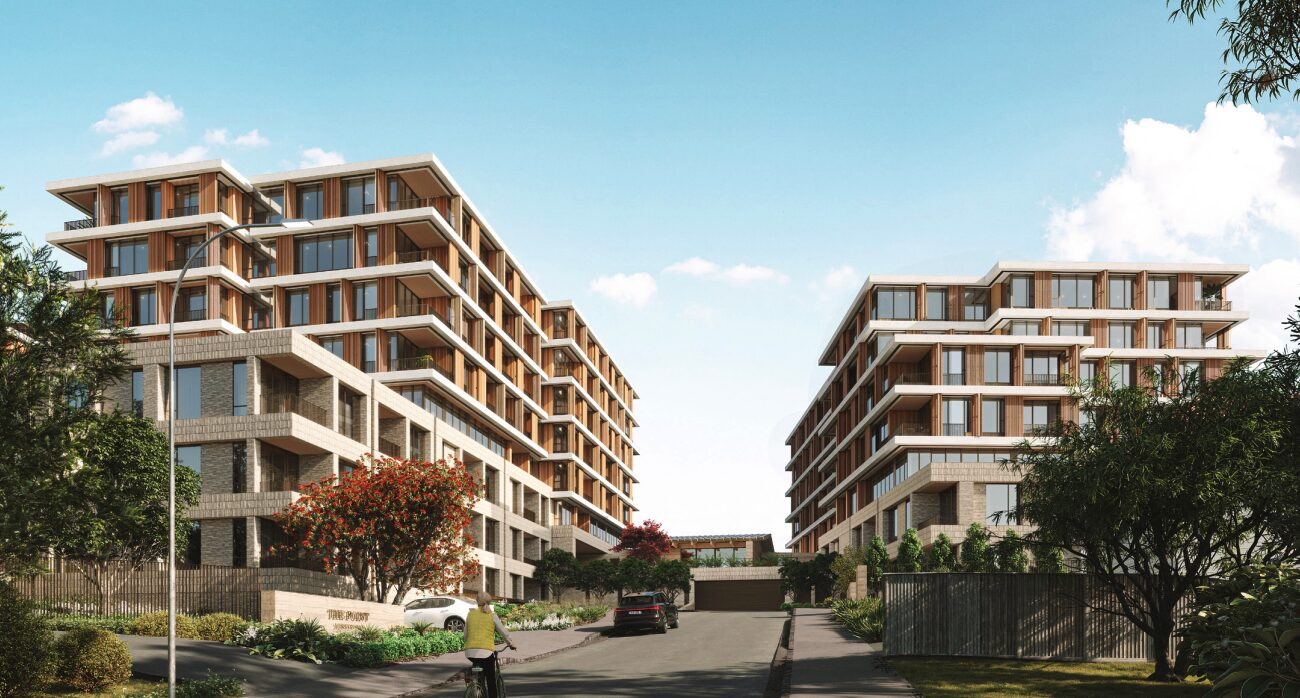
The NZ$336 million ($302 million) The Point Mission Bay retirement village project in Auckland has been granted fast-track approval, just four months after its independent expert panel commenced.
Meanwhile, the fastest approval for a State Significant Development Application in NSW was Scalabrini Communities’ $60 million Harbourside development, which took 10 months.
“The retirement village will include five interconnected buildings between five and eight storeys, delivering 256 independent living units and refurbishing an existing building to provide 94 care suites. It will also deliver shared amenity facilities for residents and visitors and create new pedestrian accessways through the site,” said New Zealand Infrastructure Minister, Chris Bishop.
“Retirement villages play a significant role in our housing system. The development will expand housing and care options for older New Zealanders and support more efficient use of urban land.”
The New Zealand Government said demand for retirement villages is set to rise over the next two decades, with Auckland’s over-65 population expected to double, from about 228,000 in 2023 to 514,000 by 2053.
“This will increase the need for the right types and quality of housing to meet changing demand,” said Regional Development Minister, Shane Jones.
“The applicants (Ngāti Whātua Ōrākei Whai Rawa Limited in partnership with Generus Living Group) expect the retirement village will support full-time employment for around 210 people and contribute NZ$3.8 million annually to the economy.”
The question now is whether Australia’s politicians are prepared to act with the same decisiveness.


