
Survey comments reveal inadequacy of Support at Home


In Part 1 of a survey of 300 home care operators, operators' comments reveal the reality of the Albanese Government's Support at Home program.
Enkindle Consulting will publish the results of the survey in five parts, with this first part looking at providers' experience of last year's reforms and the outlook for the home care sector.
Most survey participants were Support at Home or Commonwealth Home Support Program (CHSP) providers in metro areas. Nearly one quarter (24%) had revenue over $20 million.
The report reveals that nearly half of operators say their main concern about Support at Home is the cost of delivering services, but the problems capture almost every aspect of the reforms.
"Support at Home is over-engineered. I barely understand it myself," said one survey participant.
"The scale of change has been far greater than anticipated," said another.
"There are no winners - it is costly to the organisation and costly to the client."
Support at Home was introduced by the government on 1 November 2025 to consolidate the previous Home Care Packages program and the Short-Term Restorative Care Programme. The intention of the reform was to create a fairer system, with greater access to support. However, the lived experience of the new program so far has fallen well short of those aims.
The five main challenges identified in the Enkindle Consulting survey were:
- Cost of delivering services and financial viability (44% of operators were experiencing);
- The delayed provision of information and guidance by the Government (42%); and
- Performance and quality of the new Single Assessment System (30%).
Providers also experienced issues with greater regulatory requirements, lack of funding to implement the reforms, and problems with Government IT systems.
Operators shared concern about financial sustainability under Support at Home.
"We are a small NFP and the transition has cost us well over $200,000 in training, systems, software etc. The $10,000 grant was an indication that the Department has no idea of the impact," said one operator.
“We went from marginally profitable to losing $40,000 per month," said another.
"Many providers under $20 million will not survive this transition."
The next four Enkindle Consulting reports will be published over the next six weeks, focusing on:
- Part 2 - Support at Home Transition Experience;
- Part 3 - Aged Care Act 2024 Transition Experience;
- Part 4 - CHSP to Support at Home Transition Readiness; and
- Part 5 - Technology & Digital Capability.
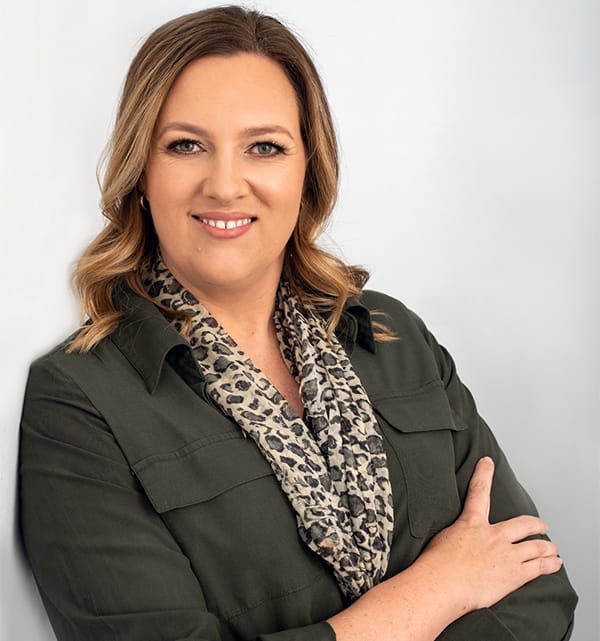
Tash Edwards, Director at Enkindle Consulting, said the situation is "complex" with "multiple layers" of reform, cost and complexity "landing at once".
Tash said, "What we’re hearing is that the system isn’t yet working as intended.
"The priority is making the system work in practice."


